






Corridor with emergency ceiling lamp, a crucial component in modern buildings, plays a vital role in ensuring safety and security. As an essential part of emergency lighting systems, these lamps provide illumination during power outages, enabling people to evacuate safely in the event of emergencies. This article aims to provide an in-depth introduction to the corridor with emergency ceiling lamp, covering its types, functions, installation, and maintenance aspects.
Introduction to Corridor with Emergency Ceiling Lamp
A corridor with emergency ceiling lamp refers to a lighting system that is designed to illuminate corridors and other passageways in buildings during power failures or emergencies. These lamps are typically installed in public areas, such as hospitals, schools, offices, and shopping malls, where the safety of people is of utmost importance. The primary purpose of these lamps is to ensure that individuals can find their way to the nearest exit or safe area in case of a power outage or fire.
Types of Corridor with Emergency Ceiling Lamp
There are several types of corridor with emergency ceiling lamps available in the market, each with its unique features and applications. The following are some of the most common types:
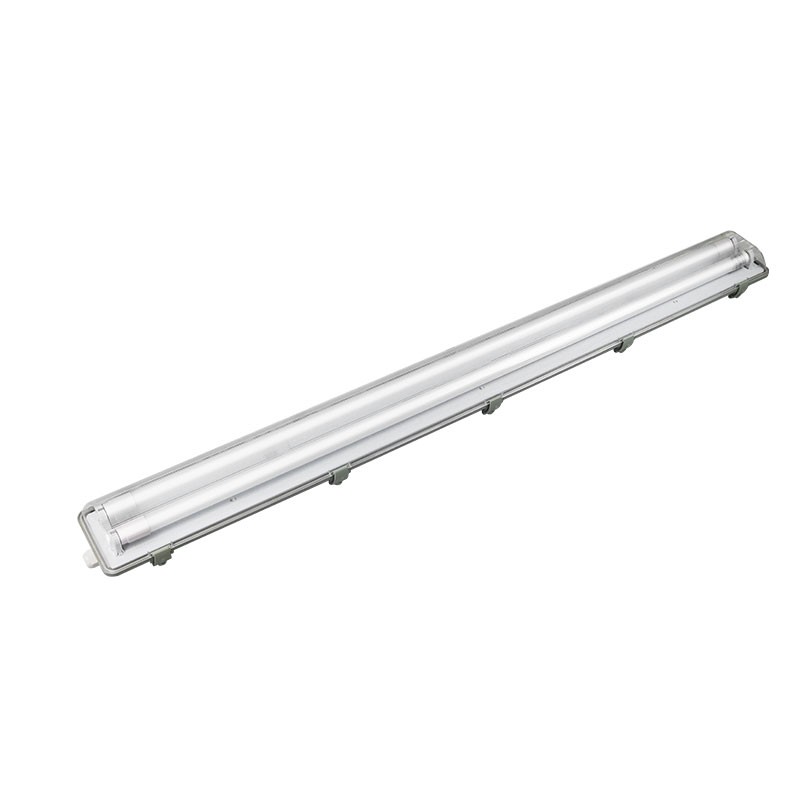
1. Fluorescent emergency ceiling lamp: This type of lamp uses fluorescent tubes to provide illumination. It is energy-efficient and has a long lifespan, making it suitable for high-traffic areas.
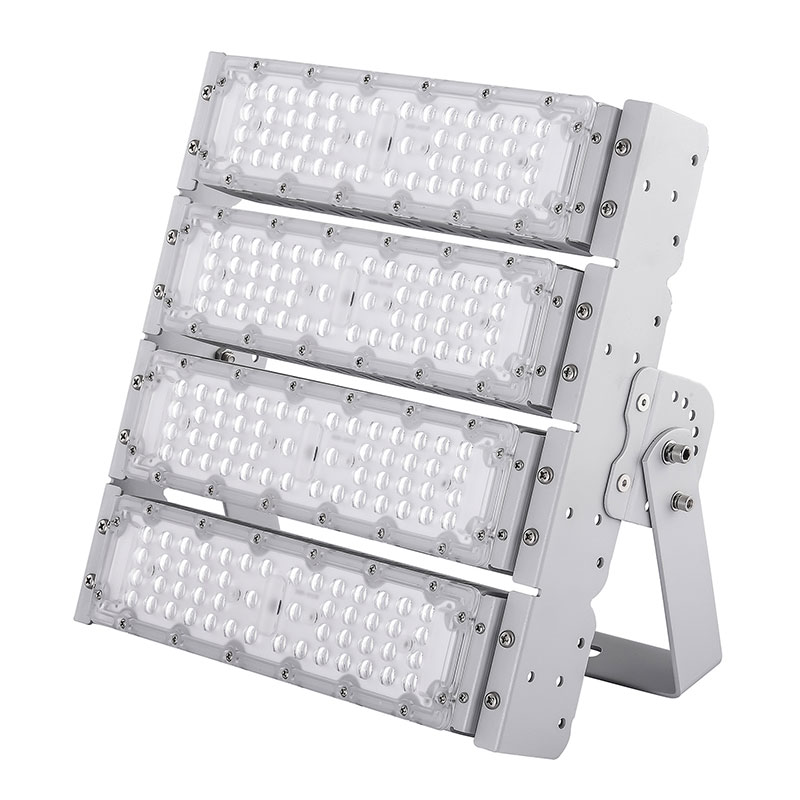
2. LED emergency ceiling lamp: LED lamps are known for their energy efficiency, long lifespan, and low heat output. They are ideal for use in corridors and other areas where energy consumption is a concern.
3. Incandescent emergency ceiling lamp: Incandescent lamps are the traditional choice for emergency lighting. They are easy to install and maintain but are less energy-efficient compared to other types.
4. Emergency battery-powered ceiling lamp: These lamps are designed to operate without a power source, making them ideal for remote or off-grid locations. They typically have a built-in battery that provides power during emergencies.
Functions of Corridor with Emergency Ceiling Lamp
The primary function of a corridor with emergency ceiling lamp is to provide illumination during power outages or emergencies. However, these lamps offer several additional benefits:
1. Safety: By illuminating corridors and passageways, emergency ceiling lamps help ensure that individuals can safely navigate their surroundings during emergencies.
2. Direction: Many emergency ceiling lamps are equipped with directional indicators or signs, guiding people towards the nearest exit or safe area.
3. Communication: Some lamps have built-in emergency communication systems, allowing for voice communication between individuals during emergencies.
4. Aesthetics: Emergency ceiling lamps are available in various designs and finishes, making them suitable for different architectural styles and interior designs.
Installation of Corridor with Emergency Ceiling Lamp
Installing a corridor with emergency ceiling lamp requires careful planning and execution. The following steps should be followed:
1. Planning: Determine the number and placement of lamps based on the corridor’s size, layout, and safety requirements.
2. Wiring: Ensure that the electrical system is properly designed to accommodate the emergency lighting system. This may involve installing additional wiring or upgrading the existing system.
3. Mounting: Install the lamps securely on the ceiling, ensuring that they are positioned to provide adequate illumination and meet safety regulations.
4. Testing: After installation, test the lamps to ensure they are functioning correctly and meet the required specifications.
Maintenance of Corridor with Emergency Ceiling Lamp
Regular maintenance is essential to ensure the proper functioning of corridor with emergency ceiling lamps. The following maintenance tasks should be performed:
1. Cleaning: Dust and debris can accumulate on the lamps, affecting their performance. Regularly clean the lamps to maintain their efficiency.
2. Inspections: Conduct periodic inspections to check for any signs of damage or wear. Replace any faulty lamps immediately.
3. Battery replacement: For battery-powered lamps, replace the batteries at recommended intervals to ensure they remain functional during emergencies.
4. System testing: Regularly test the emergency lighting system to ensure it meets the required standards and operates correctly.
In conclusion, the corridor with emergency ceiling lamp is an essential component of modern buildings, providing safety and security during emergencies. By understanding the different types, functions, installation, and maintenance aspects of these lamps, building owners and facility managers can ensure the proper functioning of their emergency lighting systems and protect the well-being of their occupants.
 English
 Afrikaans
 Albanian
 Amharic
 Arabic
 Armenian
 Azerbaijani
 Basque
 Belarusian
 Bengali
 Bosnian
 Bulgarian
 Catalan
 Cebuano
 Chichewa
 Corsican
 Croatian
 Czech
Czech Danish
 Dutch
Dutch Esperanto
 Estonian
 Filipino
 Finnish
 French
 Frisian
 Galician
 Georgian
 German
 Greek
Greek Gujarati
 Haitian Creole
 Hausa
Hausa Hawaiian
 Hebrew
 Hindi
Hindi Hmong
Hmong Hungarian
 Icelandic
 Igbo
Igbo Indonesian
 Irish
Irish Italian
 Japanese
 Javanese
 Kannada
 Kazakh
 Khmer
Khmer Korean
 Kurdish (Kurmanji)
 Kyrgyz
 Lao
Lao Latin
Latin Latvian
 Lithuanian
 Luxembourgish
 Macedonian
 Malagasy
 Malay
Malay Malayalam
 Maltese
 Maori
Maori Marathi
 Mongolian
 Myanmar (Burmese)
 Nepali
 Norwegian
 Pashto
 Persian
 Polish
 Portuguese
 Punjabi
 Romanian
 Russian
 Samoan
 Scottish Gaelic
 Serbian
 Sesotho
 Shona
Shona Sindhi
 Sinhala
 Slovak
 Slovenian
 Somali
 Spanish
 Sudanese
 Swahili
 Swedish
 Tajik
Tajik Tamil
Tamil Telugu
 Thai
Thai Turkish
 Ukrainian
 Urdu
Urdu Uzbek
Uzbek Vietnamese
 Welsh
Welsh Xhosa
Xhosa Yiddish
 Yoruba
 Zulu
Zulu
Explore More from Queendom Lamp
Stay updated with the latest LED technology, lighting solutions, and industry insights.
Request a Quote About Queendom