


Introducing the 940 Infrared Fill Light: A Game-Changer in Photography and Filmmaking
Introduction to 940 Infrared Fill Light
The 940 infrared fill light has emerged as a revolutionary tool in the photography and filmmaking industries. This specialized lighting equipment emits a narrow band of infrared light at a wavelength of 940 nanometers, which is invisible to the human eye. The primary purpose of this fill light is to provide additional illumination during low-light conditions, ensuring that the subject remains well-lit and detailed, even when the ambient light is insufficient. This article delves into the details of the 940 infrared fill light, its applications, benefits, and its impact on the industry.
How Does the 940 Infrared Fill Light Work?
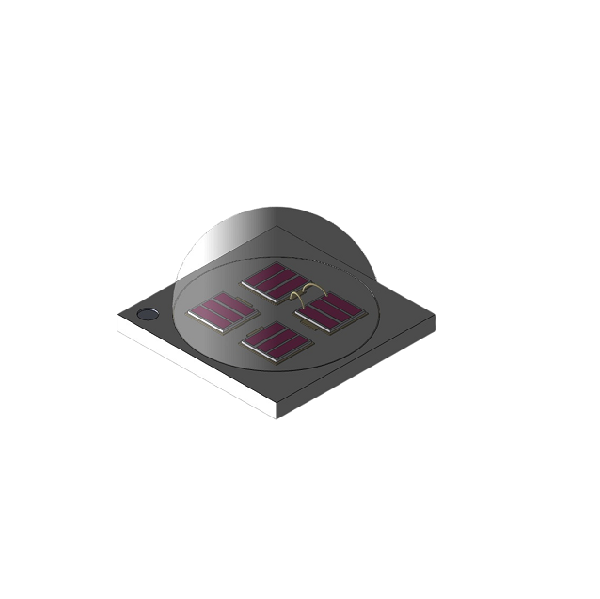
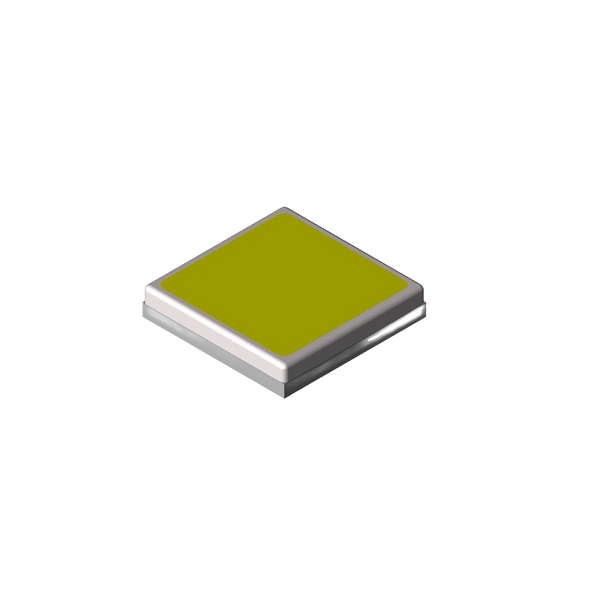
The 940 infrared fill light operates on the principle of emitting infrared radiation that is outside the visible spectrum. This makes it an ideal choice for night photography, where capturing the essence of the scene without the interference of visible light is crucial. The light source typically consists of an LED or a specialized bulb that emits light at the 940nm wavelength. When this light is directed towards the subject, it provides the necessary illumination that is not visible to the naked eye, yet captures the image sensor perfectly.
Applications of 940 Infrared Fill Light
The 940 infrared fill light finds its applications in various fields, including:
1. Night Photography: One of the most common uses of the 940 infrared fill light is in night photography. It allows photographers to capture detailed images in low-light conditions, making it perfect for urban landscapes, astrophotography, and wildlife photography.
2. Filmmaking: In the world of filmmaking, the 940 infrared fill light is invaluable for creating a natural-looking ambiance during night scenes. It helps in maintaining the integrity of the scene without the need for excessive artificial lighting.
3. Security Surveillance: The infrared technology used in 940 fill lights is also employed in security surveillance systems. These lights can illuminate areas that are otherwise dark, enhancing the visibility of the camera and enabling clearer surveillance footage.
4. Medical Imaging: In medical fields, infrared fill lights are used in imaging technologies to capture images that are not visible under standard lighting conditions, such as thermal imaging.
Benefits of Using 940 Infrared Fill Light
The use of 940 infrared fill light offers several advantages:
1. Non-Intrusive Lighting: Since the light is invisible to the human eye, it does not cause any discomfort or distraction to the subjects, making it ideal for portrait photography and filmmaking.
2. Enhanced Detail: The narrow bandwidth of the infrared light ensures that the image sensor captures more details, resulting in a higher-quality image.
3. Energy Efficiency: Infrared fill lights are designed to be energy-efficient, consuming less power compared to traditional lighting solutions.
4. Longevity: The LED technology used in these lights is known for its long lifespan, reducing maintenance and replacement costs.
Technical Specifications
When selecting a 940 infrared fill light, it is important to consider the following technical specifications:
1. Beam Angle: The beam angle determines the spread of the light. A narrower beam angle is preferable for directed lighting, while a wider angle is better for broader illumination.
2. Power Output: The power output of the light source will affect the intensity of the light. Higher power outputs are suitable for larger areas or darker environments.
3. Connectivity: Some models come with wireless connectivity options, allowing for easier setup and control.
4. Durability: The build quality and materials used should ensure that the light is durable and can withstand harsh conditions.
Challenges and Limitations
Despite its numerous benefits, the 940 infrared fill light is not without its challenges:
1. Cost: High-quality infrared fill lights can be expensive, making them less accessible for hobbyists and budget-conscious professionals.
2. Color Cast: Some infrared lights may introduce a color cast to the images, which may require post-processing adjustments.
3. Limited Visibility: Since the light is invisible to the human eye, it can be challenging to determine the correct positioning and intensity without a light meter or other measuring tools.
Conclusion
The 940 infrared fill light has become an indispensable tool in the photography and filmmaking industries. Its ability to provide invisible yet effective illumination in low-light conditions has opened up new possibilities for creative expression and practical applications. As technology continues to advance, we can expect further innovations in infrared lighting solutions, making the 940nm wavelength an even more integral part of the visual arts and security sectors.
 English
 Afrikaans
 Albanian
 Amharic
 Arabic
 Armenian
 Azerbaijani
 Basque
 Belarusian
 Bengali
 Bosnian
 Bulgarian
 Catalan
 Cebuano
 Chichewa
 Corsican
 Croatian
 Czech
Czech Danish
 Dutch
Dutch Esperanto
 Estonian
 Filipino
 Finnish
 French
 Frisian
 Galician
 Georgian
 German
 Greek
Greek Gujarati
 Haitian Creole
 Hausa
Hausa Hawaiian
 Hebrew
 Hindi
Hindi Hmong
Hmong Hungarian
 Icelandic
 Igbo
Igbo Indonesian
 Irish
Irish Italian
 Japanese
 Javanese
 Kannada
 Kazakh
 Khmer
Khmer Korean
 Kurdish (Kurmanji)
 Kyrgyz
 Lao
Lao Latin
Latin Latvian
 Lithuanian
 Luxembourgish
 Macedonian
 Malagasy
 Malay
Malay Malayalam
 Maltese
 Maori
Maori Marathi
 Mongolian
 Myanmar (Burmese)
 Nepali
 Norwegian
 Pashto
 Persian
 Polish
 Portuguese
 Punjabi
 Romanian
 Russian
 Samoan
 Scottish Gaelic
 Serbian
 Sesotho
 Shona
Shona Sindhi
 Sinhala
 Slovak
 Slovenian
 Somali
 Spanish
 Sudanese
 Swahili
 Swedish
 Tajik
Tajik Tamil
Tamil Telugu
 Thai
Thai Turkish
 Ukrainian
 Urdu
Urdu Uzbek
Uzbek Vietnamese
 Welsh
Welsh Xhosa
Xhosa Yiddish
 Yoruba
 Zulu
Zulu
Explore More from Queendom Lamp
Stay updated with the latest LED technology, lighting solutions, and industry insights.
Request a Quote About Queendom