







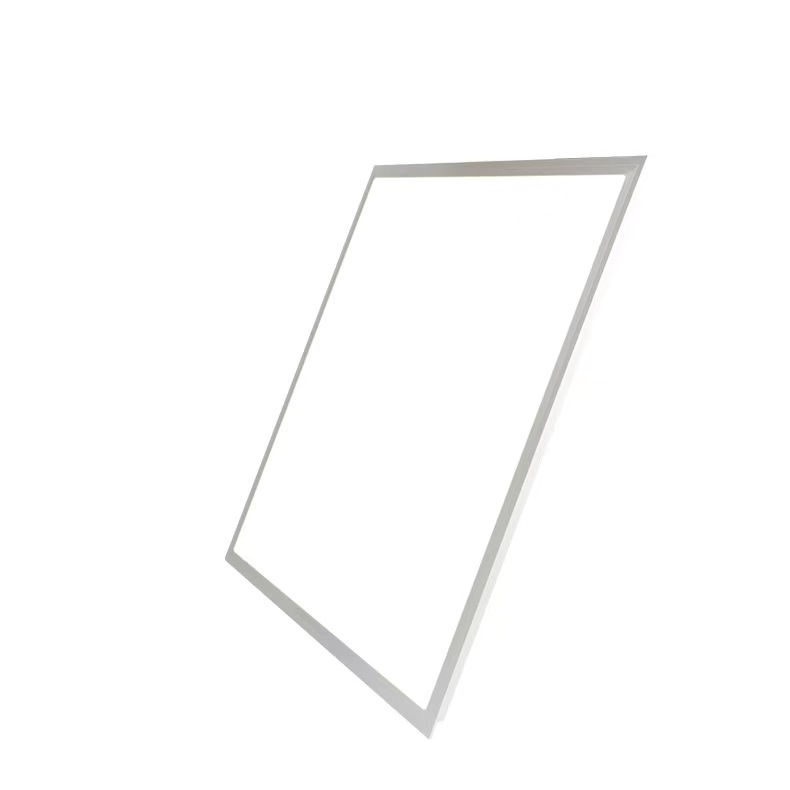
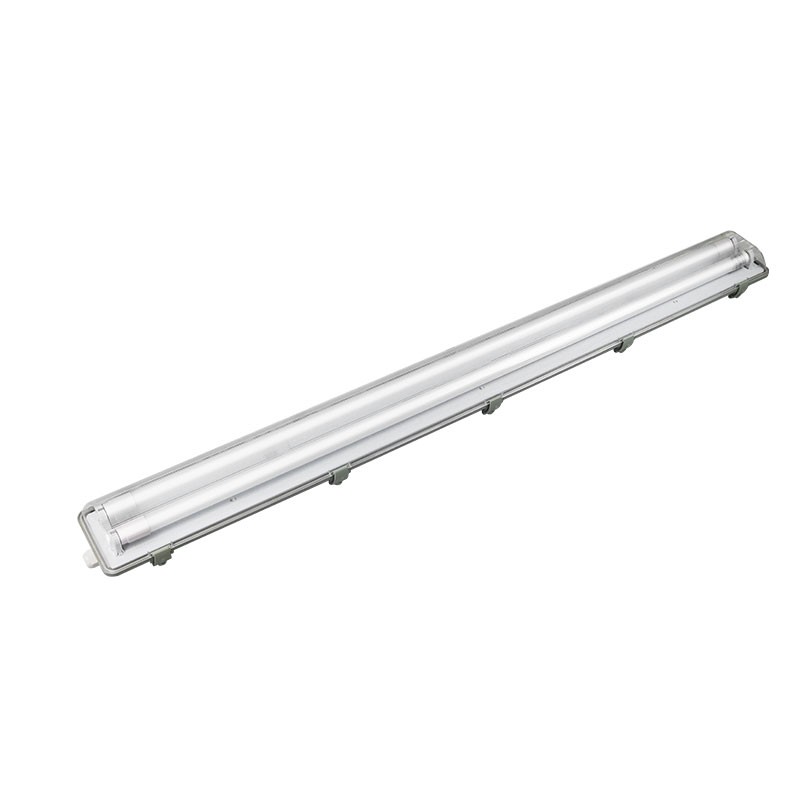
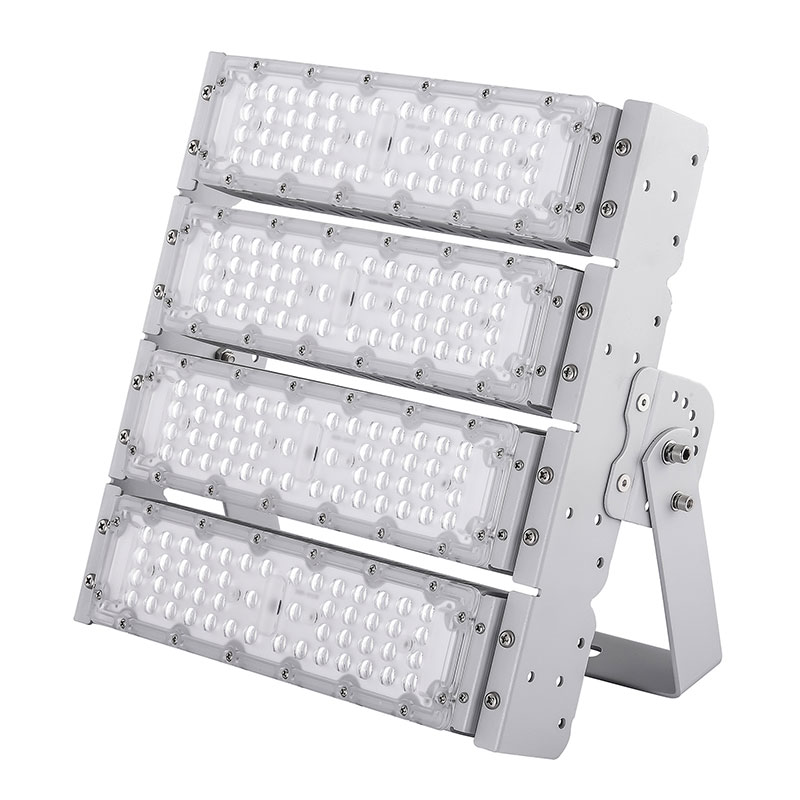


Fluorescent lamp waterproof is a crucial aspect of the lighting industry, ensuring that these energy-efficient lights can be used in a wide range of environments without the risk of water damage. This article aims to provide an in-depth introduction to the concept of fluorescent lamp waterproof, its importance, and the technologies involved in its production.
Introduction to Fluorescent Lamp Waterproof
Fluorescent lamp waterproof refers to the ability of a fluorescent lamp to withstand exposure to water or moisture without sustaining damage. This characteristic is essential for lamps used in outdoor settings, industrial areas, or any environment where water might be present. By ensuring that the lamp remains functional even in the presence of water, manufacturers can offer a more versatile and durable product.
Importance of Fluorescent Lamp Waterproof
The importance of fluorescent lamp waterproof cannot be overstated. In environments where water is a concern, such as outdoor lighting, industrial facilities, or areas with high humidity, the risk of water damage to electrical equipment is significant. Fluorescent lamps are commonly used in these settings due to their energy efficiency and long lifespan. However, without proper waterproofing, these lamps can fail prematurely, leading to costly repairs or replacements.
Waterproof fluorescent lamps offer several benefits:
1. Extended lifespan: By protecting the lamp from water damage, its lifespan is significantly extended, reducing the need for frequent replacements.
2. Cost-effective: Waterproof lamps can lead to lower maintenance and operational costs, as they require less frequent repairs or replacements.
3. Enhanced safety: In environments where electrical hazards are a concern, waterproof lamps can provide a safer alternative, reducing the risk of accidents due to water damage.
4. Versatility: Waterproof fluorescent lamps can be used in a wide range of applications, from outdoor lighting to industrial settings, making them a versatile choice for various projects.
Technologies Involved in Fluorescent Lamp Waterproof
The production of waterproof fluorescent lamps involves several key technologies:
1. Sealed glass: The outer glass tube of a waterproof fluorescent lamp is designed to be airtight, preventing water from entering the lamp. This is achieved through a high-quality sealant that ensures the glass remains intact.
2. Water-resistant materials: The materials used in the construction of the lamp, such as the base and end caps, are selected for their water-resistant properties. These materials are designed to withstand exposure to moisture without deteriorating.
3. Water-repellent coatings: Some waterproof fluorescent lamps feature water-repellent coatings on their outer surfaces, which help to disperse water and prevent it from entering the lamp.
4. Heat-resistant materials: In addition to being waterproof, fluorescent lamps must also withstand high temperatures. This is achieved through the use of heat-resistant materials in their construction.
Testing and Certification
To ensure that a fluorescent lamp is truly waterproof, it must undergo rigorous testing and certification. These tests typically include:
1. Immersion tests: The lamp is submerged in water for a specified period to determine its resistance to water damage.
2. Humidity tests: The lamp is exposed to high humidity levels to assess its performance in damp environments.
3. Temperature tests: The lamp is subjected to extreme temperatures to ensure it remains functional in both hot and cold conditions.
Upon passing these tests, the lamp is awarded a waterproof certification, indicating that it meets the necessary standards for use in water-prone environments.
Applications of Fluorescent Lamp Waterproof
Waterproof fluorescent lamps are used in a wide range of applications, including:
1. Outdoor lighting: Streetlights, parking lot lights, and garden lights are commonly equipped with waterproof fluorescent lamps to ensure they remain functional in various weather conditions.
2. Industrial settings: Fluorescent lamps are often used in industrial facilities, such as factories and warehouses, where water damage can be a significant concern.
3. Marine environments: Waterproof fluorescent lamps are used in marine vessels, such as ships and boats, to provide reliable lighting in wet conditions.
4. Healthcare facilities: Hospitals and clinics often use waterproof fluorescent lamps in areas with high humidity, such as operating rooms and patient rooms.
Conclusion
Fluorescent lamp waterproof is a vital aspect of the lighting industry, providing a reliable and durable solution for environments where water damage is a concern. By utilizing advanced technologies and rigorous testing, manufacturers can produce waterproof fluorescent lamps that meet the needs of various applications. As the demand for energy-efficient and durable lighting solutions continues to grow, the importance of fluorescent lamp waterproof will only increase.
 English
 Afrikaans
 Albanian
 Amharic
 Arabic
 Armenian
 Azerbaijani
 Basque
 Belarusian
 Bengali
 Bosnian
 Bulgarian
 Catalan
 Cebuano
 Chichewa
 Corsican
 Croatian
 Czech
Czech Danish
 Dutch
Dutch Esperanto
 Estonian
 Filipino
 Finnish
 French
 Frisian
 Galician
 Georgian
 German
 Greek
Greek Gujarati
 Haitian Creole
 Hausa
Hausa Hawaiian
 Hebrew
 Hindi
Hindi Hmong
Hmong Hungarian
 Icelandic
 Igbo
Igbo Indonesian
 Irish
Irish Italian
 Japanese
 Javanese
 Kannada
 Kazakh
 Khmer
Khmer Korean
 Kurdish (Kurmanji)
 Kyrgyz
 Lao
Lao Latin
Latin Latvian
 Lithuanian
 Luxembourgish
 Macedonian
 Malagasy
 Malay
Malay Malayalam
 Maltese
 Maori
Maori Marathi
 Mongolian
 Myanmar (Burmese)
 Nepali
 Norwegian
 Pashto
 Persian
 Polish
 Portuguese
 Punjabi
 Romanian
 Russian
 Samoan
 Scottish Gaelic
 Serbian
 Sesotho
 Shona
Shona Sindhi
 Sinhala
 Slovak
 Slovenian
 Somali
 Spanish
 Sudanese
 Swahili
 Swedish
 Tajik
Tajik Tamil
Tamil Telugu
 Thai
Thai Turkish
 Ukrainian
 Urdu
Urdu Uzbek
Uzbek Vietnamese
 Welsh
Welsh Xhosa
Xhosa Yiddish
 Yoruba
 Zulu
Zulu
Explore More from Queendom Lamp
Stay updated with the latest LED technology, lighting solutions, and industry insights.
Request a Quote About Queendom