







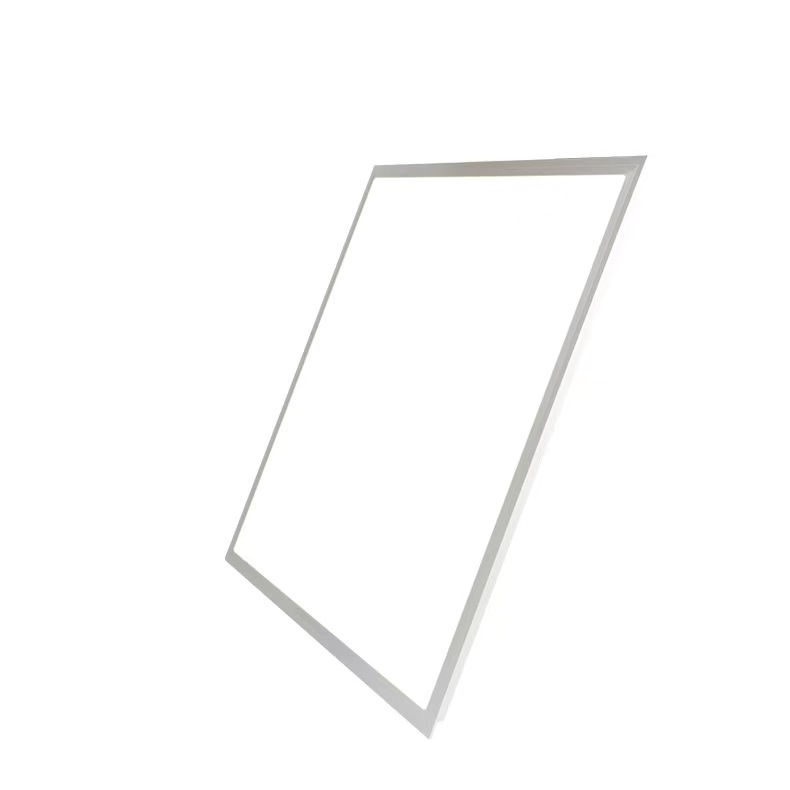
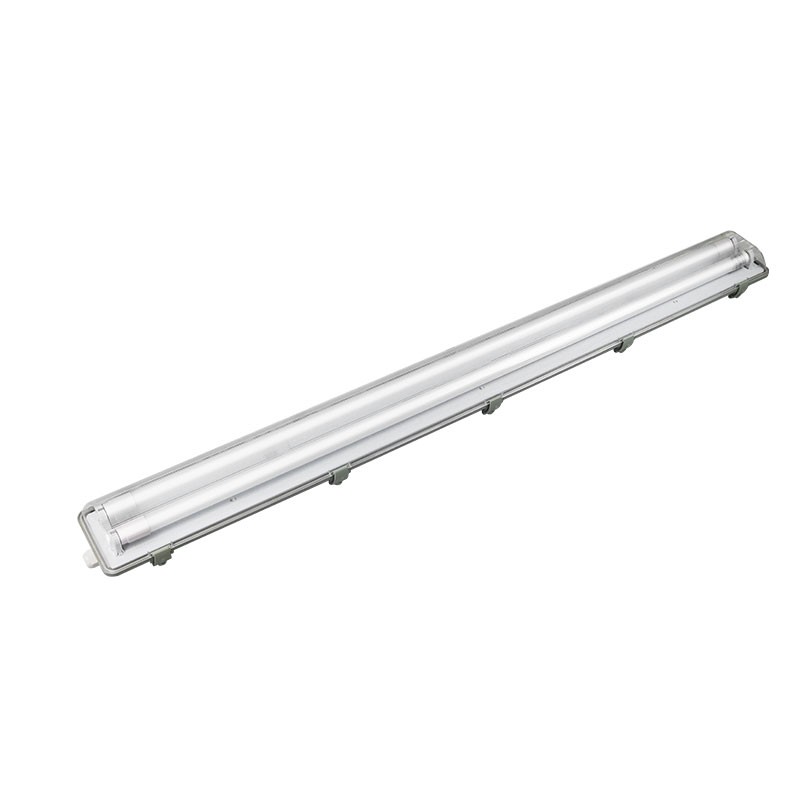
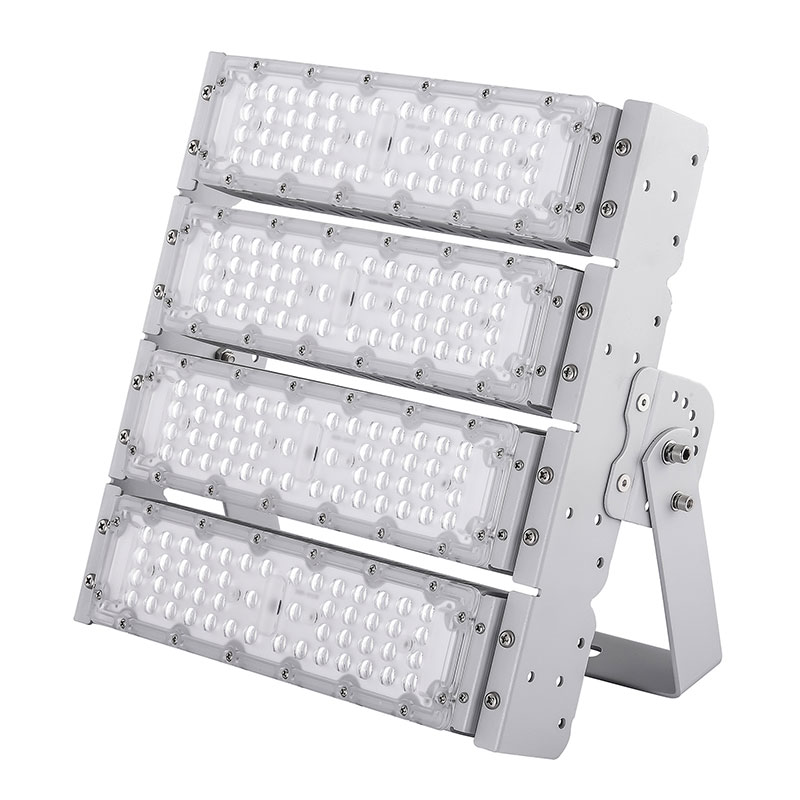


Fill light used in greenhouse refers to the supplementary lighting system employed in greenhouses to enhance plant growth and ensure optimal conditions for cultivation. This article delves into the significance of fill light in greenhouses, its types, applications, benefits, and challenges faced in its implementation. By understanding the role of fill light, greenhouse operators can optimize their lighting strategies to promote healthier and more productive plants.
Introduction to Fill Light in Greenhouses
Fill light in greenhouses serves as an essential component in the horticultural lighting system. It complements the natural sunlight by providing additional light when sunlight is insufficient or unavailable, such as during cloudy days, at night, or in regions with limited sunlight. This artificial light source helps in extending the growing season, increasing crop yield, and improving the quality of the produce.
Types of Fill Light Used in Greenhouses
Several types of fill light are used in greenhouses, each with its unique characteristics and advantages. The most common types include:
1. Fluorescent Lights: These lights are energy-efficient and emit a soft, blue-white light that is beneficial for plant growth. They are suitable for seedlings, herbs, and leafy vegetables.
2. High-Intensity Discharge (HID) Lights: HID lights, such as metal halide and high-pressure sodium lights, are more powerful than fluorescent lights. They are ideal for flowering plants and are often used in large-scale greenhouse operations.
3. LED Lights: LED lights are the latest technology in greenhouse lighting. They are highly efficient, have a long lifespan, and offer a wide range of color temperatures, making them versatile for various plant types.
4. T5 Fluorescent Lights: T5 fluorescent lights are a newer generation of fluorescent lights that are more energy-efficient and provide better light distribution than traditional T8 lights.
Applications of Fill Light in Greenhouses
The applications of fill light in greenhouses are diverse and can be categorized into the following:
1. Extension of Growing Season: Fill light allows greenhouse operators to grow plants year-round, regardless of the outdoor climate. This is particularly beneficial for cool-season crops that cannot be grown during the colder months.
2. Enhanced Crop Yield: Proper lighting, including fill light, can significantly increase crop yield by optimizing the photosynthetic process and promoting healthy plant growth.
3. Quality Improvement: Fill light can improve the quality of produce by enhancing the color, size, and taste of fruits and vegetables.
4. Microclimate Control: In conjunction with other greenhouse management systems, fill light helps in maintaining a stable microclimate, which is crucial for the growth of sensitive crops.
Benefits of Using Fill Light in Greenhouses
The use of fill light in greenhouses offers several benefits, including:
1. Energy Efficiency: Modern lighting technologies, such as LED lights, are highly energy-efficient, reducing the operational costs of greenhouses.
2. Cost-Effectiveness: Although the initial investment in lighting systems can be high, the long-term savings in energy costs and increased crop yields often outweigh the initial expenses.
3. Customization: Fill light systems can be customized to meet the specific needs of different plant types, growth stages, and greenhouse layouts.
4. Environmental Impact: By reducing the need for pesticides and herbicides, fill light contributes to a more sustainable and eco-friendly approach to agriculture.
Challenges in Implementing Fill Light Systems
Despite the numerous benefits, there are challenges associated with the implementation of fill light systems in greenhouses:
1. Initial Investment: The cost of setting up a fill light system can be substantial, especially for small-scale operations.
2. Complexity of Installation: Proper installation of fill light systems requires technical expertise and can be a complex process.
3. Maintenance: Regular maintenance is required to ensure the optimal performance of lighting systems, which can be time-consuming and costly.
4. Regulation and Safety: Compliance with local regulations and ensuring the safety of the system are critical considerations when implementing fill light in greenhouses.
Conclusion
Fill light used in greenhouses plays a pivotal role in modern horticultural practices. By providing additional light when natural sunlight is insufficient, fill light enhances plant growth, increases crop yield, and improves the quality of produce. With advancements in lighting technology, greenhouse operators have more options than ever to choose from, each with its own set of advantages and challenges. As the demand for locally grown produce continues to rise, the strategic use of fill light in greenhouses will remain a crucial factor in the success of modern agricultural operations.
 English
 Afrikaans
 Albanian
 Amharic
 Arabic
 Armenian
 Azerbaijani
 Basque
 Belarusian
 Bengali
 Bosnian
 Bulgarian
 Catalan
 Cebuano
 Chichewa
 Corsican
 Croatian
 Czech
Czech Danish
 Dutch
Dutch Esperanto
 Estonian
 Filipino
 Finnish
 French
 Frisian
 Galician
 Georgian
 German
 Greek
Greek Gujarati
 Haitian Creole
 Hausa
Hausa Hawaiian
 Hebrew
 Hindi
Hindi Hmong
Hmong Hungarian
 Icelandic
 Igbo
Igbo Indonesian
 Irish
Irish Italian
 Japanese
 Javanese
 Kannada
 Kazakh
 Khmer
Khmer Korean
 Kurdish (Kurmanji)
 Kyrgyz
 Lao
Lao Latin
Latin Latvian
 Lithuanian
 Luxembourgish
 Macedonian
 Malagasy
 Malay
Malay Malayalam
 Maltese
 Maori
Maori Marathi
 Mongolian
 Myanmar (Burmese)
 Nepali
 Norwegian
 Pashto
 Persian
 Polish
 Portuguese
 Punjabi
 Romanian
 Russian
 Samoan
 Scottish Gaelic
 Serbian
 Sesotho
 Shona
Shona Sindhi
 Sinhala
 Slovak
 Slovenian
 Somali
 Spanish
 Sudanese
 Swahili
 Swedish
 Tajik
Tajik Tamil
Tamil Telugu
 Thai
Thai Turkish
 Ukrainian
 Urdu
Urdu Uzbek
Uzbek Vietnamese
 Welsh
Welsh Xhosa
Xhosa Yiddish
 Yoruba
 Zulu
Zulu
Explore More from Queendom Lamp
Stay updated with the latest LED technology, lighting solutions, and industry insights.
Request a Quote About Queendom