

Emergency LED tube lights with battery have become an essential component in modern emergency preparedness and safety systems. These lights are designed to provide illumination during power outages or in emergency situations where traditional lighting is unavailable. This article delves into the industry of emergency LED tube lights with battery, exploring their features, benefits, applications, and the technological advancements that have made them a staple in many homes and businesses.
Introduction to Emergency LED Tube Lights with Battery
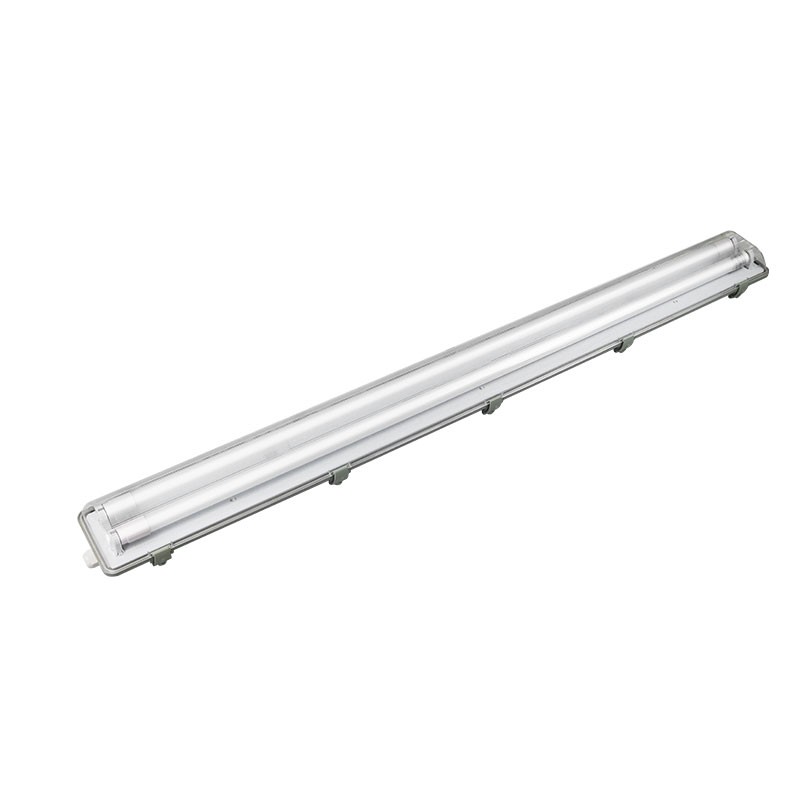
Emergency LED tube lights with battery are specialized lighting fixtures that combine the energy-efficient benefits of LED technology with the convenience of a built-in battery. These lights are typically installed in areas where a consistent power supply is not guaranteed, such as basements, stairwells, and emergency exits. The battery ensures that the light can operate for a specified duration, often ranging from a few hours to several days, depending on the capacity of the battery and the lighting requirements.
Features of Emergency LED Tube Lights with Battery
The key features of emergency LED tube lights with battery include:
– LED Technology: These lights utilize LED bulbs, which are known for their long lifespan, low energy consumption, and high efficiency.
– Battery Backup: The built-in battery provides power during power outages, ensuring continuous illumination.
– Automatic Activation: Many emergency LED tube lights are equipped with a sensor that automatically activates the light when the main power source fails.
– Long Battery Life: The batteries are designed to last for several years, reducing the need for frequent replacements.
– Durability: These lights are often constructed with robust materials to withstand harsh conditions and prolonged use.
Benefits of Using Emergency LED Tube Lights with Battery
The use of emergency LED tube lights with battery offers several benefits:
– Safety: In emergency situations, such as fires or natural disasters, these lights provide a reliable source of light, enabling people to navigate safely and quickly.
– Cost-Effectiveness: LED technology is energy-efficient, reducing electricity bills and maintenance costs over time.
– Sustainability: By using LED lights, businesses and homeowners can contribute to a greener environment by reducing their carbon footprint.
– Ease of Installation: Emergency LED tube lights are easy to install and can be retrofitted into existing lighting fixtures.
Applications of Emergency LED Tube Lights with Battery
Emergency LED tube lights with battery are used in a wide range of settings, including:
– Residential Buildings: Homes, apartments, and condominiums often install these lights in hallways, stairwells, and basements.
– Commercial Buildings: Offices, hospitals, schools, and retail stores use these lights to ensure safety during power outages.
– Industrial Facilities: Factories, warehouses, and manufacturing plants rely on emergency LED tube lights to maintain operations during power failures.
– Public Infrastructure: Emergency lights are installed in public buildings, transportation systems, and outdoor areas to enhance safety and visibility.
Technological Advancements
The emergency LED tube light industry has seen significant technological advancements over the years:
– Battery Technology: Advances in battery technology have led to longer-lasting and more reliable batteries, ensuring that emergency lights remain operational for extended periods.
– Smart Sensors: Smart sensors have been integrated into emergency lights to detect power failures and activate the lights automatically, without human intervention.
– Wireless Connectivity: Some emergency LED tube lights now feature wireless connectivity, allowing for remote monitoring and control.
– Energy Harvesting: Research is ongoing into energy-harvesting technologies that can charge the batteries using renewable energy sources, such as solar power.
Regulatory Standards and Compliance
Emergency LED tube lights with battery must comply with various regulatory standards to ensure safety and quality. These standards include:
– UL Certification: Underwriters Laboratories (UL) provides safety certification for emergency lighting products.
– NFPA Codes: The National Fire Protection Association (NFPA) sets codes and standards for emergency lighting in buildings.
– Energy Efficiency Regulations: Many regions have implemented energy efficiency regulations that require emergency lighting products to meet certain energy-saving criteria.
Conclusion
Emergency LED tube lights with battery have become an indispensable part of modern emergency preparedness and safety systems. Their energy-efficient design, long-lasting batteries, and automatic activation features make them a reliable choice for homes, businesses, and public infrastructure. As technology continues to advance, we can expect to see even more innovative and efficient emergency lighting solutions in the future.
 English
 Afrikaans
 Albanian
 Amharic
 Arabic
 Armenian
 Azerbaijani
 Basque
 Belarusian
 Bengali
 Bosnian
 Bulgarian
 Catalan
 Cebuano
 Chichewa
 Corsican
 Croatian
 Czech
Czech Danish
 Dutch
Dutch Esperanto
 Estonian
 Filipino
 Finnish
 French
 Frisian
 Galician
 Georgian
 German
 Greek
Greek Gujarati
 Haitian Creole
 Hausa
Hausa Hawaiian
 Hebrew
 Hindi
Hindi Hmong
Hmong Hungarian
 Icelandic
 Igbo
Igbo Indonesian
 Irish
Irish Italian
 Japanese
 Javanese
 Kannada
 Kazakh
 Khmer
Khmer Korean
 Kurdish (Kurmanji)
 Kyrgyz
 Lao
Lao Latin
Latin Latvian
 Lithuanian
 Luxembourgish
 Macedonian
 Malagasy
 Malay
Malay Malayalam
 Maltese
 Maori
Maori Marathi
 Mongolian
 Myanmar (Burmese)
 Nepali
 Norwegian
 Pashto
 Persian
 Polish
 Portuguese
 Punjabi
 Romanian
 Russian
 Samoan
 Scottish Gaelic
 Serbian
 Sesotho
 Shona
Shona Sindhi
 Sinhala
 Slovak
 Slovenian
 Somali
 Spanish
 Sudanese
 Swahili
 Swedish
 Tajik
Tajik Tamil
Tamil Telugu
 Thai
Thai Turkish
 Ukrainian
 Urdu
Urdu Uzbek
Uzbek Vietnamese
 Welsh
Welsh Xhosa
Xhosa Yiddish
 Yoruba
 Zulu
Zulu
Explore More from Queendom Lamp
Stay updated with the latest LED technology, lighting solutions, and industry insights.
Request a Quote About Queendom