







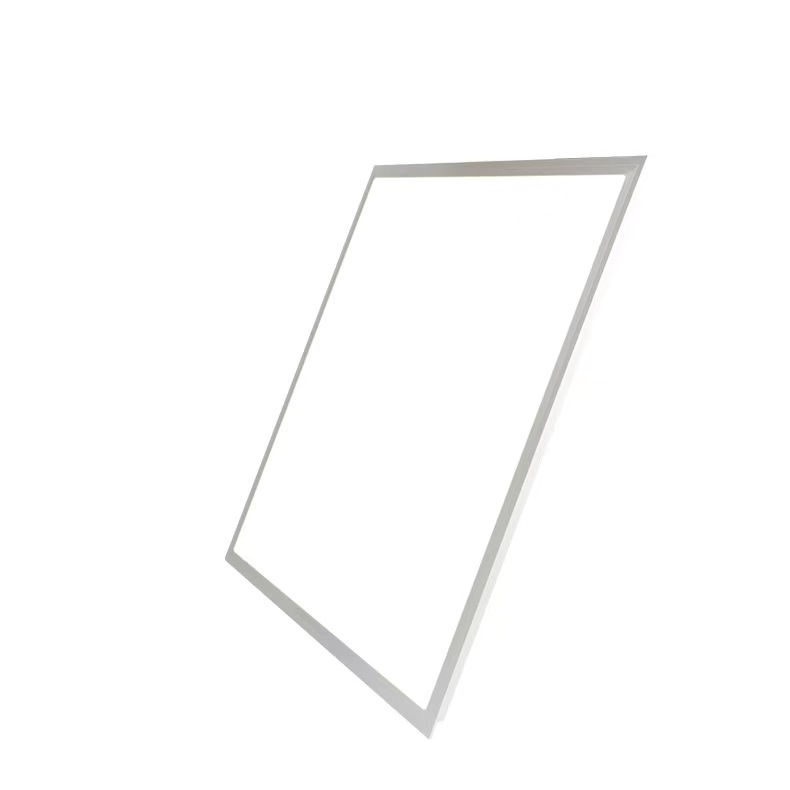
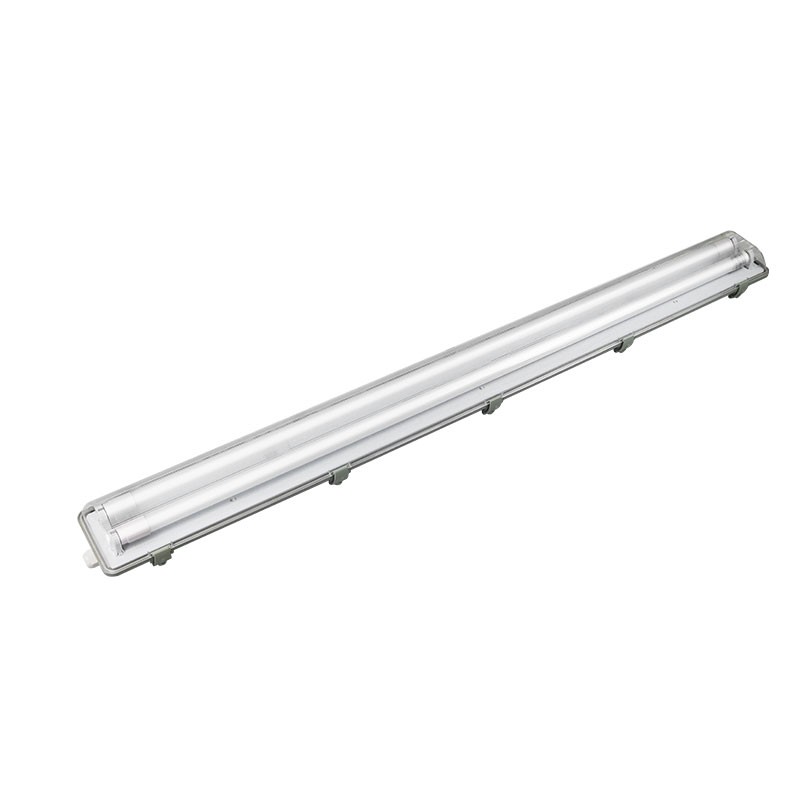
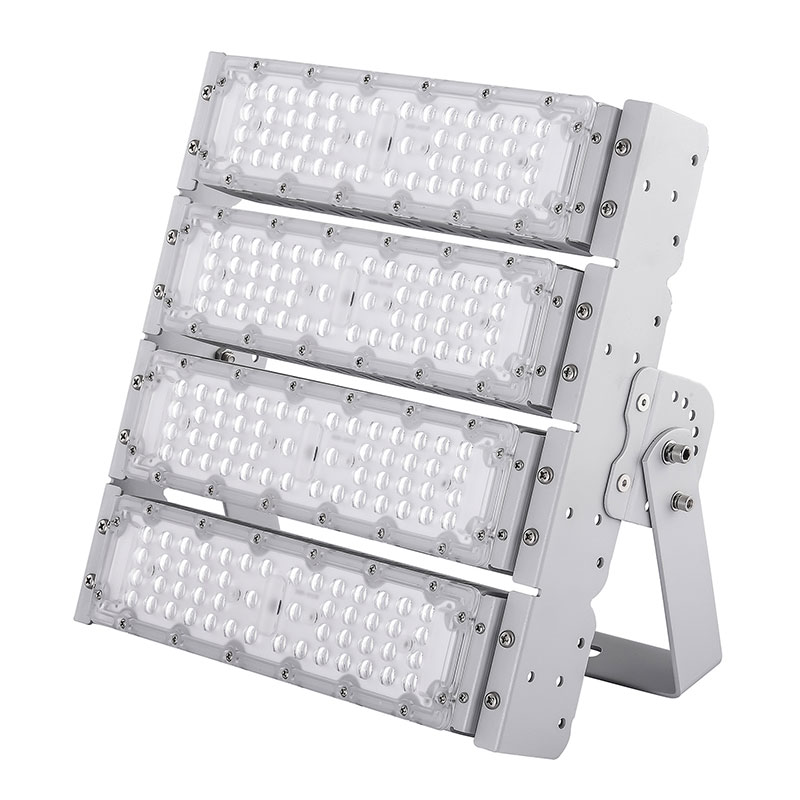


SMD LED manufacturers play a crucial role in the global lighting industry, producing a wide range of light-emitting diodes (LEDs) that are compact, energy-efficient, and versatile. These manufacturers are responsible for the design, production, and distribution of Surface Mount Device (SMD) LEDs, which are widely used in various applications such as indoor and outdoor lighting, automotive lighting, and electronic displays.
Introduction to SMD LEDs
SMD LEDs, or Surface Mount LEDs, are a type of LED that is mounted directly onto a printed circuit board (PCB) without the need for leads. This compact design allows for high-density packaging and is highly efficient in terms of energy usage. The absence of leads also reduces the overall size of the LED, making it ideal for use in space-constrained applications.
Market Overview
The global SMD LED market has seen significant growth over the past few years, driven by the increasing demand for energy-efficient lighting solutions. According to a report by MarketsandMarkets, the global SMD LED market is projected to reach USD 42.6 billion by 2025, at a CAGR of 9.5% from 2020 to 2025. This growth is attributed to factors such as the rising awareness of energy conservation, the declining cost of LED technology, and the growing adoption of smart lighting systems.
Key Players in the SMD LED Market
Several key players dominate the SMD LED market, each with their unique strengths and product offerings. Some of the major players include:
- Osram GmbH
- Philips Lighting Holding B.V.
- Samsung Electronics Co., Ltd.
- Nichia Corporation
- LG Innotek Co., Ltd.
- Epistar Corporation
- LEDinside
These companies are known for their advanced technology, extensive product lines, and strong global presence. They continuously invest in research and development to innovate and improve their products, ensuring they remain competitive in the market.
Production Process
The production process of SMD LEDs involves several stages, including wafer fabrication, chip fabrication, die bonding, and packaging. Here is a brief overview of each stage:
- Wafer Fabrication: This is the initial stage where silicon wafers are grown and processed to create the semiconductor material. These wafers are then diced into individual die, which are the building blocks of the LED.
- Chip Fabrication: The die are then transferred to a chip fabrication process where they are processed to enhance their performance and reliability. This includes epitaxial growth, lithography, and etching.
- Die Bonding: The processed die are then bonded to a substrate using a die bonder. This process involves applying a layer of solder paste to the substrate and then placing the die on top. The die is then reflowed to form a strong bond.
- Packaging: The final stage involves packaging the bonded die into a compact module. This includes encapsulating the die in a resin or epoxy, attaching leads, and then mounting the module onto a PCB.
Applications of SMD LEDs
SMD LEDs are used in a wide range of applications due to their small size, high efficiency, and long lifespan. Some of the most common applications include:
- General Lighting: SMD LEDs are used in residential, commercial, and industrial lighting fixtures, offering energy savings and long-term cost benefits.
- Automotive Lighting: The automotive industry has seen a significant shift towards LED lighting, with SMD LEDs being used for headlights, taillights, and interior lighting.
- Display Technology: SMD LEDs are used in LCD and OLED displays to provide backlighting, offering better image quality and energy efficiency.
- Signage and Advertising: SMD LEDs are ideal for outdoor signage and advertising due to their brightness and durability.
- Medical and Healthcare: SMD LEDs are used in medical devices and healthcare facilities for lighting applications, offering a clean and hygienic solution.
Challenges and Opportunities
While the SMD LED market is growing, it also faces several challenges. One of the major challenges is the intense competition, which drives down prices and margins. Additionally, the rapid pace of technological innovation requires manufacturers to constantly invest in research and development to stay ahead of the curve.
Despite these challenges, there are also significant opportunities in the market. The increasing focus on energy efficiency and sustainability is driving the demand for SMD LEDs. Furthermore, the rise of smart lighting systems and the Internet of Things (IoT) are creating new applications and markets for SMD LEDs.
Conclusion
SMD LED manufacturers are at the forefront of the global lighting industry, providing innovative and energy-efficient solutions. With the continuous advancement of technology and the growing demand for sustainable lighting, the future of SMD LED manufacturing looks promising. As the industry evolves, manufacturers will need to adapt to changing market dynamics, invest in research and development, and focus on product differentiation to maintain their competitive edge.
 English
 Afrikaans
 Albanian
 Amharic
 Arabic
 Armenian
 Azerbaijani
 Basque
 Belarusian
 Bengali
 Bosnian
 Bulgarian
 Catalan
 Cebuano
 Chichewa
 Corsican
 Croatian
 Czech
Czech Danish
 Dutch
Dutch Esperanto
 Estonian
 Filipino
 Finnish
 French
 Frisian
 Galician
 Georgian
 German
 Greek
Greek Gujarati
 Haitian Creole
 Hausa
Hausa Hawaiian
 Hebrew
 Hindi
Hindi Hmong
Hmong Hungarian
 Icelandic
 Igbo
Igbo Indonesian
 Irish
Irish Italian
 Japanese
 Javanese
 Kannada
 Kazakh
 Khmer
Khmer Korean
 Kurdish (Kurmanji)
 Kyrgyz
 Lao
Lao Latin
Latin Latvian
 Lithuanian
 Luxembourgish
 Macedonian
 Malagasy
 Malay
Malay Malayalam
 Maltese
 Maori
Maori Marathi
 Mongolian
 Myanmar (Burmese)
 Nepali
 Norwegian
 Pashto
 Persian
 Polish
 Portuguese
 Punjabi
 Romanian
 Russian
 Samoan
 Scottish Gaelic
 Serbian
 Sesotho
 Shona
Shona Sindhi
 Sinhala
 Slovak
 Slovenian
 Somali
 Spanish
 Sudanese
 Swahili
 Swedish
 Tajik
Tajik Tamil
Tamil Telugu
 Thai
Thai Turkish
 Ukrainian
 Urdu
Urdu Uzbek
Uzbek Vietnamese
 Welsh
Welsh Xhosa
Xhosa Yiddish
 Yoruba
 Zulu
Zulu
Explore More from Queendom Lamp
Stay updated with the latest LED technology, lighting solutions, and industry insights.
Request a Quote About Queendom