



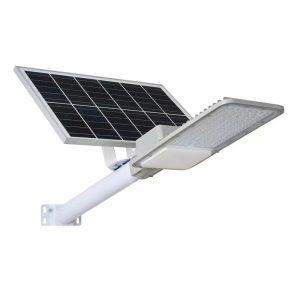
Emergency lamps, also known as emergency flashlights or backup lights, play a crucial role in ensuring safety and visibility during power outages, natural disasters, or any situation where the primary lighting is unavailable. These portable and versatile lighting solutions have become an essential part of preparedness kits for homes, offices, and vehicles. This article delves into the world of emergency lamps, exploring their history, types, features, and the importance of having them on hand.
History of Emergency Lamps
Emergency lamps have a rich history that dates back to the early 19th century. The first practical battery-powered flashlight was invented by David Reuben in 1897. However, it was not until the early 20th century that emergency lamps became more common, especially during World War I when they were used by soldiers for night operations. Over the years, advancements in technology have led to the development of various types of emergency lamps, each designed to meet specific needs.
Types of Emergency Lamps
There are several types of emergency lamps available in the market, each with its unique features and benefits. Here are some of the most common types:
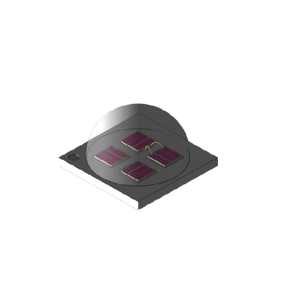
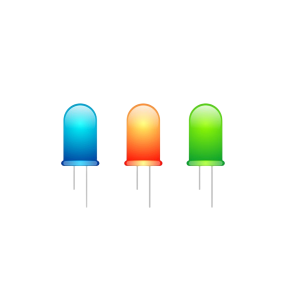
1. LED Emergency Lamps: LED (Light Emitting Diode) emergency lamps are the most popular due to their energy efficiency and long lifespan. They consume less power, making them ideal for long-duration use during emergencies.
2. Hand-Crank Emergency Lamps: Hand-crank emergency lamps are a great option for those who want a device that does not rely on batteries. These lamps convert mechanical energy into electrical energy, making them a reliable source of light during power outages.
3. Solar-Powered Emergency Lamps: Solar-powered emergency lamps harness the energy from the sun to charge their batteries. They are environmentally friendly and can be a sustainable source of light, especially in remote areas or during prolonged power outages.
4. AC/DC Emergency Lamps: These lamps can be powered by both alternating current (AC) and direct current (DC) sources, making them versatile for various situations. They often come with an AC adapter and a rechargeable battery, ensuring that you have a light source even when the power is out.
5. Emergency Lanterns: Emergency lanterns are larger and more powerful than flashlights. They provide a wide area of illumination and are often used in camping or during outdoor activities. Some models come with built-in USB ports for charging devices.
Features to Consider When Buying an Emergency Lamp
When choosing an emergency lamp, it is essential to consider several features to ensure that it meets your needs. Here are some key features to look for:
1. Brightness: The brightness of an emergency lamp is measured in lumens. A higher lumen rating means a brighter light. For most applications, a lamp with at least 100 lumens is sufficient.
2. Runtime: The runtime of an emergency lamp refers to how long it can operate on a single charge or battery. Look for lamps with a long runtime, especially if you plan to use them during extended power outages.
3. Portability: Emergency lamps come in various sizes and shapes. Choose one that is easy to carry and store, especially if you need to keep it in your vehicle or backpack.
4. Durability: A durable emergency lamp can withstand harsh conditions, such as rain, snow, or drops. Look for lamps made from high-quality materials and with shockproof or waterproof features.
5. Additional Features: Some emergency lamps come with additional features, such as built-in radio, USB charging ports, or multiple brightness settings. Consider these features if they align with your needs.
Importance of Having Emergency Lamps
Emergency lamps are an essential component of any disaster preparedness plan. Here are some reasons why having them is crucial:
1. Safety: In the event of a power outage or emergency, having an emergency lamp ensures that you can see clearly, reducing the risk of accidents or injuries.
2. Communication: Many emergency lamps come with built-in radios, allowing you to stay informed about the situation and receive updates from local authorities.
3. Comfort: A well-lit environment can help reduce stress and anxiety during emergencies, making it easier to cope with the situation.
4. Preparedness: By having emergency lamps on hand, you are taking a proactive approach to disaster preparedness, ensuring that you are ready for any situation that may arise.
In conclusion, emergency lamps are a vital tool for ensuring safety, comfort, and preparedness during times of need. With a variety of types and features available, it is essential to choose the right lamp that suits your specific requirements. By incorporating emergency lamps into your preparedness kit, you can rest assured that you are ready to face any emergency that comes your way.
 English
 Afrikaans
 Albanian
 Amharic
 Arabic
 Armenian
 Azerbaijani
 Basque
 Belarusian
 Bengali
 Bosnian
 Bulgarian
 Catalan
 Cebuano
 Chichewa
 Corsican
 Croatian
 Czech
Czech Danish
 Dutch
Dutch Esperanto
 Estonian
 Filipino
 Finnish
 French
 Frisian
 Galician
 Georgian
 German
 Greek
Greek Gujarati
 Haitian Creole
 Hausa
Hausa Hawaiian
 Hebrew
 Hindi
Hindi Hmong
Hmong Hungarian
 Icelandic
 Igbo
Igbo Indonesian
 Irish
Irish Italian
 Japanese
 Javanese
 Kannada
 Kazakh
 Khmer
Khmer Korean
 Kurdish (Kurmanji)
 Kyrgyz
 Lao
Lao Latin
Latin Latvian
 Lithuanian
 Luxembourgish
 Macedonian
 Malagasy
 Malay
Malay Malayalam
 Maltese
 Maori
Maori Marathi
 Mongolian
 Myanmar (Burmese)
 Nepali
 Norwegian
 Pashto
 Persian
 Polish
 Portuguese
 Punjabi
 Romanian
 Russian
 Samoan
 Scottish Gaelic
 Serbian
 Sesotho
 Shona
Shona Sindhi
 Sinhala
 Slovak
 Slovenian
 Somali
 Spanish
 Sudanese
 Swahili
 Swedish
 Tajik
Tajik Tamil
Tamil Telugu
 Thai
Thai Turkish
 Ukrainian
 Urdu
Urdu Uzbek
Uzbek Vietnamese
 Welsh
Welsh Xhosa
Xhosa Yiddish
 Yoruba
 Zulu
Zulu
Explore More from Queendom Lamp
Stay updated with the latest LED technology, lighting solutions, and industry insights.
Request a Quote About Queendom