







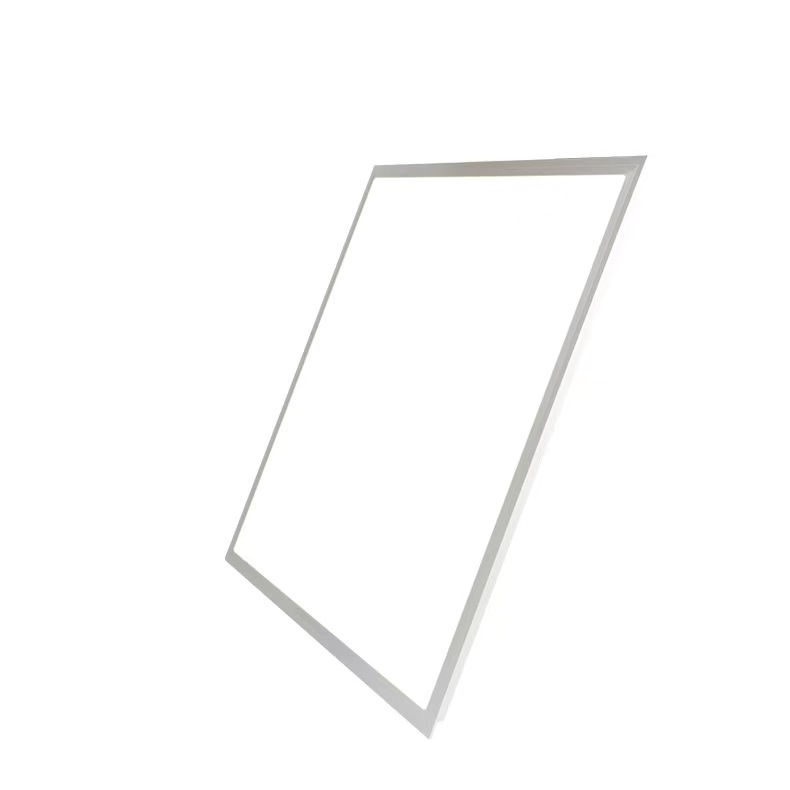
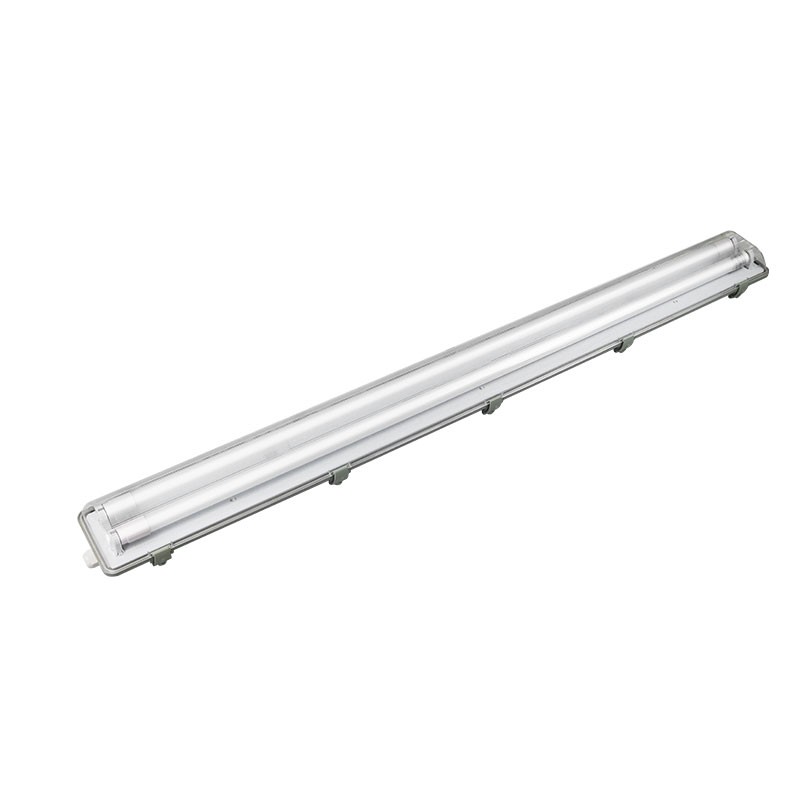
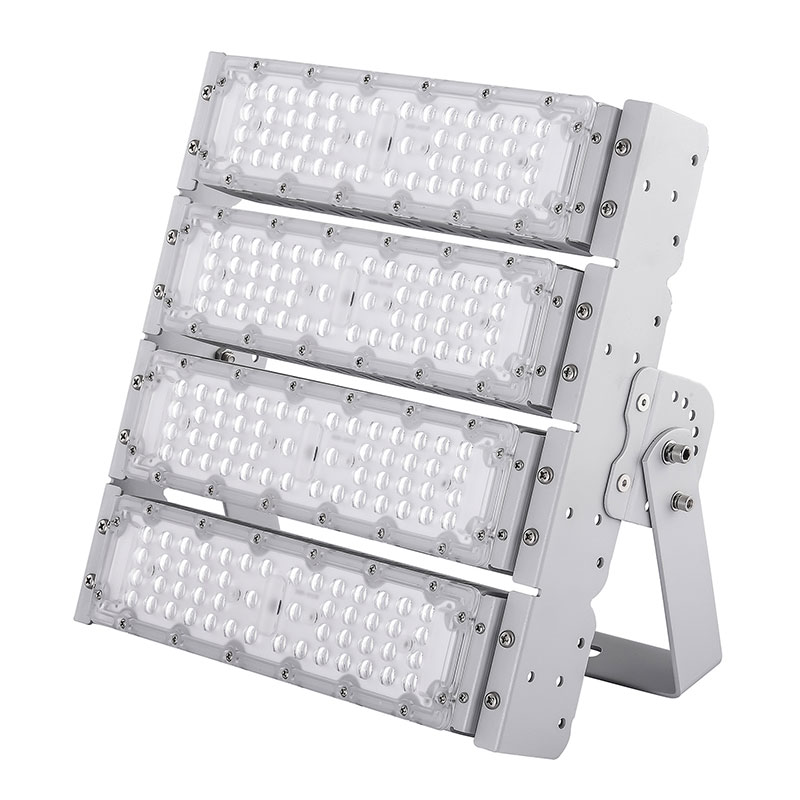


With the advancement of technology, motion sensor hallway ceiling lights have become increasingly popular in modern homes and commercial buildings. These innovative lighting solutions offer convenience, energy efficiency, and enhanced security, making them a must-have for any property owner. In this article, we will explore the features, benefits, and applications of motion sensor hallway ceiling lights, providing a comprehensive overview of this cutting-edge industry.
Introduction to Motion Sensor Hallway Ceiling Lights
Motion sensor hallway ceiling lights are smart lighting fixtures that automatically turn on when motion is detected in a specific area. They are designed to illuminate dark hallways, staircases, and entryways, ensuring that you never have to fumble for a light switch in the dark. These lights are equipped with motion sensors that can detect movement from up to several meters away, making them ideal for both residential and commercial settings.
How Motion Sensor Hallway Ceiling Lights Work
The technology behind motion sensor hallway ceiling lights is quite simple yet effective. These lights typically consist of a motion sensor, a control unit, and a light source. When the motion sensor detects movement, it sends a signal to the control unit, which then activates the light source. The lights remain on for a predetermined duration, usually between 30 seconds and 2 minutes, after which they automatically turn off to conserve energy.
The motion sensors used in these lights can be of various types, including passive infrared (PIR) sensors, ultrasonic sensors, and microwave sensors. PIR sensors are the most common type, as they are cost-effective and energy-efficient. They detect the heat emitted by moving objects, allowing the lights to turn on when someone enters the room.
Benefits of Motion Sensor Hallway Ceiling Lights
1. Energy Efficiency: Motion sensor hallway ceiling lights are designed to save energy by turning off when not in use. This can lead to significant savings on electricity bills, especially in areas with high foot traffic.
2. Convenience: These lights eliminate the need for manual switching, making it easier to navigate dark hallways and staircases at night.
3. Enhanced Security: Motion sensor hallway ceiling lights can deter intruders by illuminating dark areas, providing a sense of security for homeowners and tenants.
4. Easy Installation: These lights are typically easy to install, requiring minimal wiring and tools. They can be mounted on the ceiling or wall, depending on the design and layout of the space.
5. Longevity: Motion sensor hallway ceiling lights are built to last, with durable components and high-quality materials that ensure a long lifespan.
Applications of Motion Sensor Hallway Ceiling Lights
Motion sensor hallway ceiling lights are suitable for a wide range of applications, including:
1. Residential: These lights are perfect for illuminating hallways, staircases, and entryways in homes, providing convenience and safety for residents.
2. Commercial: Motion sensor hallway ceiling lights are ideal for office buildings, retail stores, and warehouses, where energy efficiency and security are crucial.
3. Public Spaces: These lights can be used in schools, hospitals, and public buildings to enhance safety and reduce energy consumption.
4. Outdoor Areas: Motion sensor hallway ceiling lights can be installed in outdoor areas, such as parking lots, garages, and pathways, to provide illumination and security.
Types of Motion Sensor Hallway Ceiling Lights
There are several types of motion sensor hallway ceiling lights available in the market, each with its unique features and benefits:
1. LED Motion Sensor Hallway Ceiling Lights: LED lights are energy-efficient, long-lasting, and emit a bright, white light. They are available in various designs and finishes, making them suitable for a wide range of applications.
2. Fluorescent Motion Sensor Hallway Ceiling Lights: Fluorescent lights are also energy-efficient and provide a bright, white light. However, they may not be as durable as LED lights.
3. Halogen Motion Sensor Hallway Ceiling Lights: Halogen lights are known for their bright, white light and high energy efficiency. However, they generate more heat than LED and fluorescent lights.
4. Incandescent Motion Sensor Hallway Ceiling Lights: Incandescent lights are the most traditional type of lighting, but they are not as energy-efficient as other options.
Conclusion
Motion sensor hallway ceiling lights have revolutionized the way we illuminate our homes and buildings. With their energy-efficient design, convenience, and enhanced security, these lights are a valuable addition to any property. As technology continues to advance, we can expect to see even more innovative lighting solutions in the future, making our lives safer, more comfortable, and more sustainable.
 English
 Afrikaans
 Albanian
 Amharic
 Arabic
 Armenian
 Azerbaijani
 Basque
 Belarusian
 Bengali
 Bosnian
 Bulgarian
 Catalan
 Cebuano
 Chichewa
 Corsican
 Croatian
 Czech
Czech Danish
 Dutch
Dutch Esperanto
 Estonian
 Filipino
 Finnish
 French
 Frisian
 Galician
 Georgian
 German
 Greek
Greek Gujarati
 Haitian Creole
 Hausa
Hausa Hawaiian
 Hebrew
 Hindi
Hindi Hmong
Hmong Hungarian
 Icelandic
 Igbo
Igbo Indonesian
 Irish
Irish Italian
 Japanese
 Javanese
 Kannada
 Kazakh
 Khmer
Khmer Korean
 Kurdish (Kurmanji)
 Kyrgyz
 Lao
Lao Latin
Latin Latvian
 Lithuanian
 Luxembourgish
 Macedonian
 Malagasy
 Malay
Malay Malayalam
 Maltese
 Maori
Maori Marathi
 Mongolian
 Myanmar (Burmese)
 Nepali
 Norwegian
 Pashto
 Persian
 Polish
 Portuguese
 Punjabi
 Romanian
 Russian
 Samoan
 Scottish Gaelic
 Serbian
 Sesotho
 Shona
Shona Sindhi
 Sinhala
 Slovak
 Slovenian
 Somali
 Spanish
 Sudanese
 Swahili
 Swedish
 Tajik
Tajik Tamil
Tamil Telugu
 Thai
Thai Turkish
 Ukrainian
 Urdu
Urdu Uzbek
Uzbek Vietnamese
 Welsh
Welsh Xhosa
Xhosa Yiddish
 Yoruba
 Zulu
Zulu
Explore More from Queendom Lamp
Stay updated with the latest LED technology, lighting solutions, and industry insights.
Request a Quote About Queendom