









High Power LED DIY: A Comprehensive Industry Introduction
Introduction to High Power LED DIY
High Power LED DIY, or Do-It-Yourself high power LED projects, has gained significant popularity in recent years. This article aims to provide a comprehensive introduction to the high power LED DIY industry, covering its history, technology, applications, and future prospects.
History of High Power LED DIY
The concept of high power LED DIY originated in the early 2000s when hobbyists and DIY enthusiasts began experimenting with LEDs. Initially, these projects were limited to simple applications such as indicator lights and small indicator displays. However, as the technology evolved, the scope of high power LED DIY expanded to include more complex projects like custom lighting, architectural lighting, and even automotive lighting.
Technology Behind High Power LED DIY
High power LEDs are different from traditional LEDs due to their higher luminous intensity and power consumption. They typically have a higher forward voltage and require a more sophisticated driver circuit to ensure stable operation. The following are some key technologies involved in high power LED DIY:
1. LED Chip: High power LED chips are the core component of high power LEDs. They are made of gallium nitride (GaN) or other semiconductor materials and are designed to emit a high amount of light with minimal power consumption.
2. Heat Sink: Since high power LEDs generate a significant amount of heat, a heat sink is essential to dissipate the heat and maintain the LED’s performance. Aluminum or copper materials are commonly used for heat sinks.
3. Driver Circuit: A driver circuit is required to provide the appropriate voltage and current to the LED, ensuring stable operation. Constant current drivers are commonly used in high power LED DIY projects.
4. Control System: In some high power LED DIY projects, a control system is necessary to manage the LED’s operation, such as adjusting the brightness, color, and pattern.
Applications of High Power LED DIY
High power LED DIY projects have a wide range of applications, including:
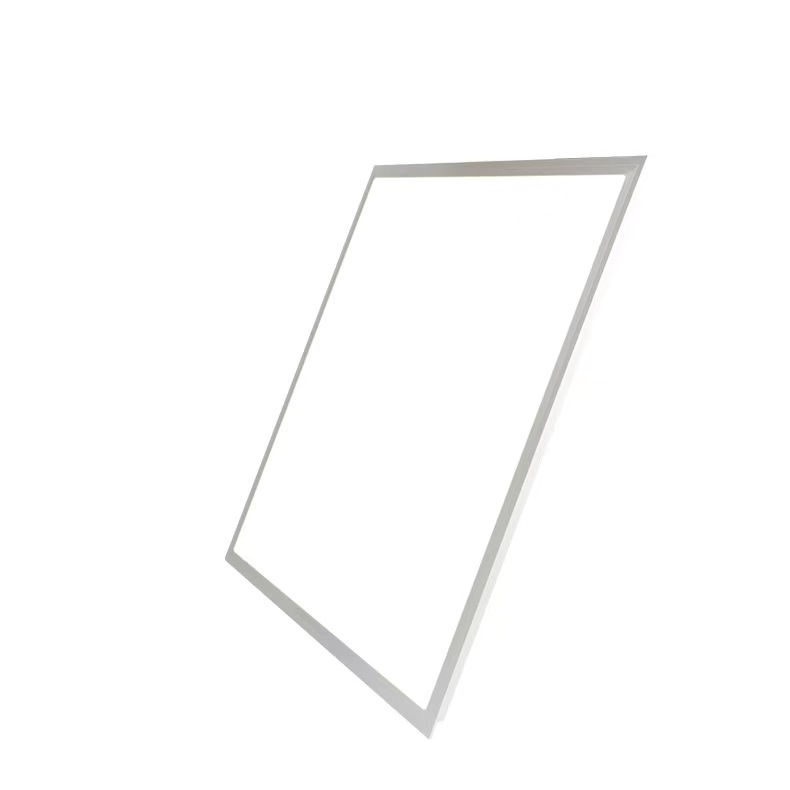
1. Custom Lighting: DIY enthusiasts can create unique lighting solutions for their homes, offices, or outdoor spaces using high power LEDs. This includes custom wall washers, strip lights, and LED panels.
2. Architectural Lighting: High power LED DIY projects can be used to create stunning architectural lighting effects, such as dynamic facade lighting, canopy lighting, and garden lighting.
3. Automotive Lighting: High power LED DIY enthusiasts can modify their vehicles’ lighting systems, such as replacing headlights, taillights, and turn signals with high power LEDs.
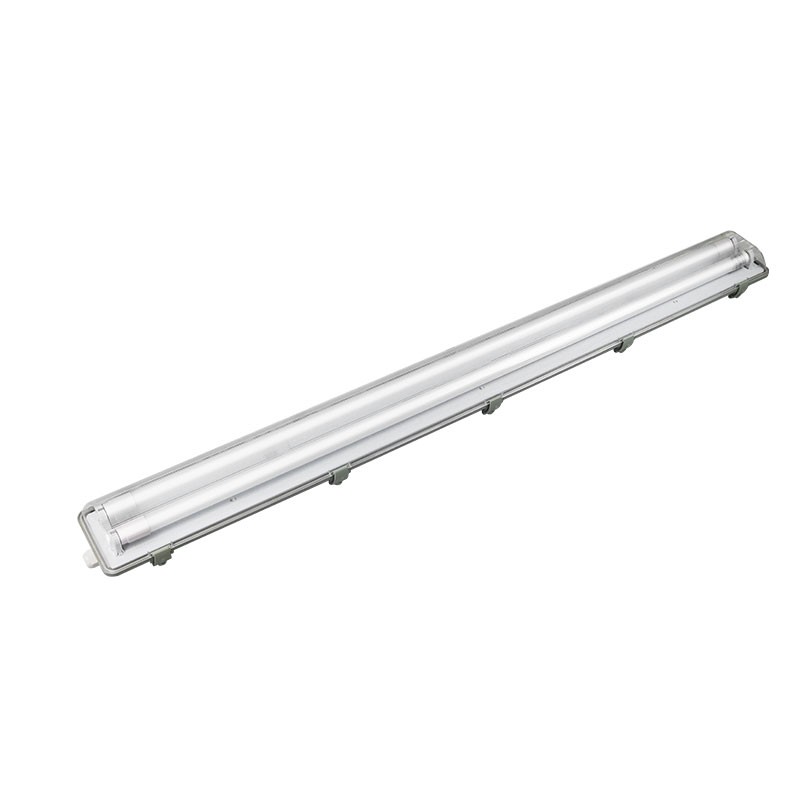
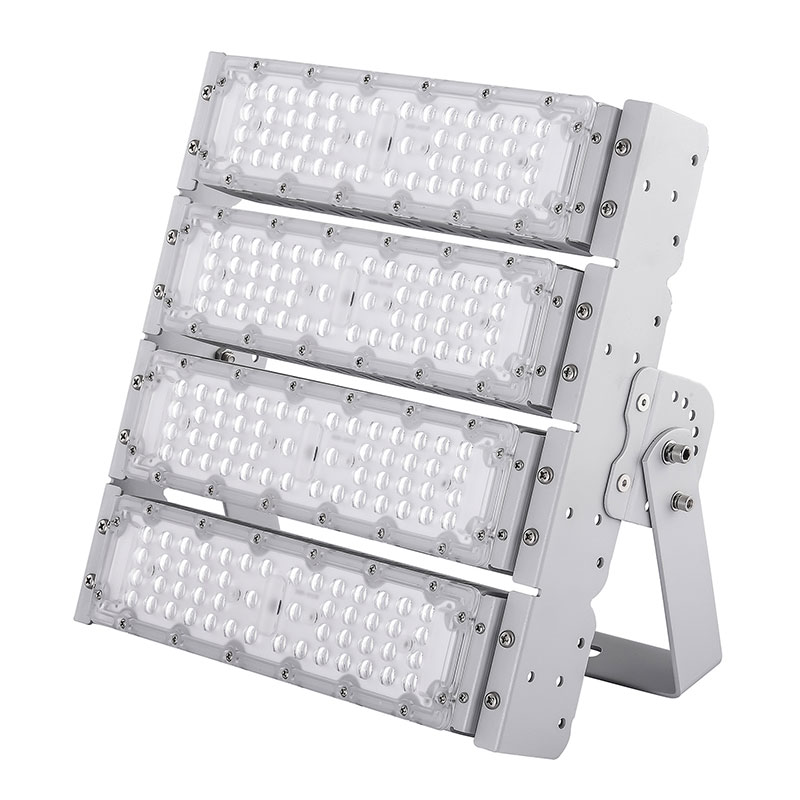
4. Industrial Applications: High power LEDs are also used in industrial applications, such as machine vision, LED grow lights for horticulture, and LED lighting for warehouses and factories.
Benefits of High Power LED DIY
High power LED DIY offers several benefits, including:
1. Cost-Effective: DIY enthusiasts can save money by building their high power LED projects instead of purchasing pre-made products.
2. Customization: High power LED DIY allows users to create customized lighting solutions tailored to their specific needs and preferences.
3. Learning Experience: Engaging in high power LED DIY projects can provide valuable hands-on experience and knowledge in electronics, electrical engineering, and lighting design.
Challenges and Considerations
Despite the benefits, there are some challenges and considerations when engaging in high power LED DIY projects:
1. Safety: High power LEDs can generate a significant amount of heat and require proper handling to prevent accidents and damage to equipment.
2. Technical Knowledge: High power LED DIY projects require a certain level of technical knowledge in electronics, electrical engineering, and safety procedures.
3. Quality Control: Ensuring the quality and reliability of DIY high power LED projects can be challenging, especially for beginners.
Future Prospects
The high power LED DIY industry is expected to continue growing as technology advances and more people become interested in DIY projects. Some future prospects include:
1. Improved Efficiency: New materials and technologies are being developed to improve the efficiency of high power LEDs, making them more energy-efficient and cost-effective.
2. Enhanced Design Flexibility: As the technology evolves, DIY enthusiasts will have more options to create innovative and unique lighting solutions.
3. Increased Market Demand: The growing popularity of high power LED DIY projects is expected to drive the demand for high power LED components and accessories.
In conclusion, high power LED DIY is a fascinating and rapidly growing industry with a wide range of applications and benefits. As technology continues to advance, we can expect to see even more exciting developments in the high power LED DIY sector.
 English
 Afrikaans
 Albanian
 Amharic
 Arabic
 Armenian
 Azerbaijani
 Basque
 Belarusian
 Bengali
 Bosnian
 Bulgarian
 Catalan
 Cebuano
 Chichewa
 Corsican
 Croatian
 Czech
Czech Danish
 Dutch
Dutch Esperanto
 Estonian
 Filipino
 Finnish
 French
 Frisian
 Galician
 Georgian
 German
 Greek
Greek Gujarati
 Haitian Creole
 Hausa
Hausa Hawaiian
 Hebrew
 Hindi
Hindi Hmong
Hmong Hungarian
 Icelandic
 Igbo
Igbo Indonesian
 Irish
Irish Italian
 Japanese
 Javanese
 Kannada
 Kazakh
 Khmer
Khmer Korean
 Kurdish (Kurmanji)
 Kyrgyz
 Lao
Lao Latin
Latin Latvian
 Lithuanian
 Luxembourgish
 Macedonian
 Malagasy
 Malay
Malay Malayalam
 Maltese
 Maori
Maori Marathi
 Mongolian
 Myanmar (Burmese)
 Nepali
 Norwegian
 Pashto
 Persian
 Polish
 Portuguese
 Punjabi
 Romanian
 Russian
 Samoan
 Scottish Gaelic
 Serbian
 Sesotho
 Shona
Shona Sindhi
 Sinhala
 Slovak
 Slovenian
 Somali
 Spanish
 Sudanese
 Swahili
 Swedish
 Tajik
Tajik Tamil
Tamil Telugu
 Thai
Thai Turkish
 Ukrainian
 Urdu
Urdu Uzbek
Uzbek Vietnamese
 Welsh
Welsh Xhosa
Xhosa Yiddish
 Yoruba
 Zulu
Zulu
Explore More from Queendom Lamp
Stay updated with the latest LED technology, lighting solutions, and industry insights.
Request a Quote About Queendom