

Disinfection LED Module: Revolutionizing Sanitization Technology
Introduction to Disinfection LED Module
The rapid spread of infectious diseases has highlighted the importance of effective disinfection methods. In recent years, the disinfection LED module has emerged as a cutting-edge technology that offers a safe, efficient, and eco-friendly solution for sterilization. This article aims to provide an in-depth introduction to the disinfection LED module, exploring its working principle, applications, advantages, and future prospects.
What is a Disinfection LED Module?
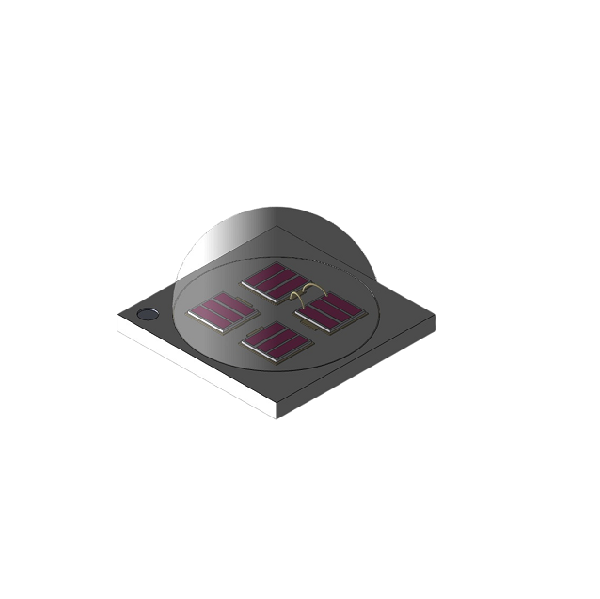
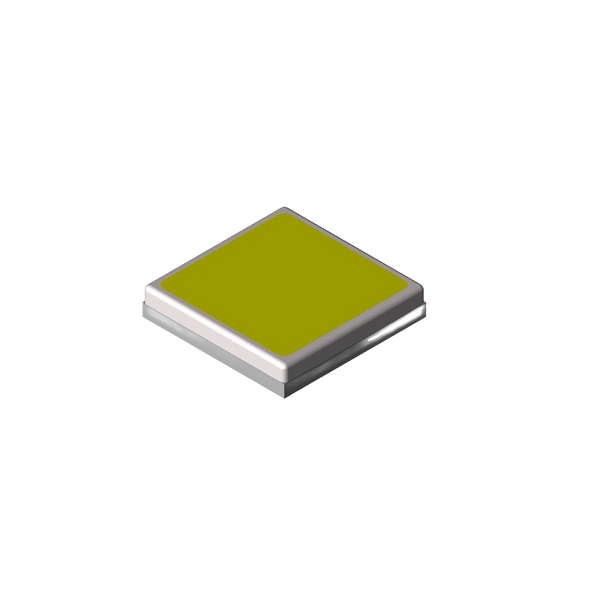
A disinfection LED module is an innovative device that utilizes ultraviolet (UV) light to kill or deactivate microorganisms, including bacteria, viruses, and fungi. The module consists of a UV LED chip, a heat sink, a power supply, and a control unit. When the module is turned on, the UV LED chip emits UV-C light, which has a wavelength between 200 and 280 nanometers (nm). This specific wavelength is highly effective in destroying the DNA and RNA of microorganisms, rendering them unable to reproduce and causing them to die.
Working Principle of Disinfection LED Module
The disinfection LED module operates on the principle of photodynamic inactivation. When the UV-C light emitted by the module comes into contact with microorganisms, it penetrates the cell wall and enters the cell. The UV-C light then causes the DNA and RNA strands to break, preventing the microorganisms from replicating and multiplying. As a result, the microorganisms are inactivated or killed, leading to a significant reduction in their population.
Applications of Disinfection LED Module
Disinfection LED modules have a wide range of applications in various industries, including healthcare, food and beverage, water treatment, and air purification. Some of the key applications are:
1. Healthcare: Disinfection LED modules are used in hospitals, clinics, and laboratories to sanitize medical equipment, surfaces, and air. This helps in preventing the spread of hospital-acquired infections (HAIs) and maintaining a clean and hygienic environment.
2. Food and Beverage: The modules are employed in food processing plants, restaurants, and catering services to sanitize utensils, cutting boards, and food surfaces. This ensures that the food is safe for consumption and reduces the risk of foodborne illnesses.
3. Water Treatment: Disinfection LED modules are used in water purification systems to eliminate harmful microorganisms, such as bacteria and viruses, from drinking water. This helps in ensuring the safety and quality of potable water.
4. Air Purification: The modules are used in air purifiers and ventilation systems to sanitize the air in indoor spaces, such as offices, schools, and homes. This helps in reducing the transmission of airborne diseases and improving indoor air quality.
Advantages of Disinfection LED Module
Compared to traditional disinfection methods, such as chemical disinfection and heat sterilization, disinfection LED modules offer several advantages:
1. Safety: Disinfection LED modules emit UV-C light, which is safe for humans and animals. Unlike chemical disinfectants, UV-C light does not leave any harmful residues, ensuring a clean and safe environment.
2. Efficiency: The UV-C light emitted by the module is highly effective in destroying microorganisms. It can kill a large number of microorganisms in a short period, making it a fast and efficient disinfection method.
3. Eco-friendliness: Disinfection LED modules are energy-efficient and do not require any chemicals or heat, making them an eco-friendly solution for sterilization.
4. Longevity: The UV LED chips used in the module have a long lifespan, typically ranging from 20,000 to 50,000 hours. This means that the module can be used for an extended period without the need for frequent replacement.
Future Prospects of Disinfection LED Module
As the awareness of the importance of disinfection and sterilization continues to grow, the demand for disinfection LED modules is expected to increase. The following trends are likely to shape the future of this technology:
1. Integration: Disinfection LED modules are expected to be integrated into various devices and systems, such as smartphones, smartwatches, and home appliances, to provide a more convenient and comprehensive disinfection solution.
2. Advancements in UV LED technology: Continuous improvements in UV LED technology are expected to enhance the efficiency, lifespan, and cost-effectiveness of disinfection LED modules.
3. Widening applications: As more research and development efforts are invested in the field, the applications of disinfection LED modules are likely to expand into new industries and markets.
In conclusion, the disinfection LED module is a revolutionary technology that offers a safe, efficient, and eco-friendly solution for sterilization. With its wide range of applications and numerous advantages, the disinfection LED module is poised to play a crucial role in combating infectious diseases and ensuring public health and safety.
 English
 Afrikaans
 Albanian
 Amharic
 Arabic
 Armenian
 Azerbaijani
 Basque
 Belarusian
 Bengali
 Bosnian
 Bulgarian
 Catalan
 Cebuano
 Chichewa
 Corsican
 Croatian
 Czech
Czech Danish
 Dutch
Dutch Esperanto
 Estonian
 Filipino
 Finnish
 French
 Frisian
 Galician
 Georgian
 German
 Greek
Greek Gujarati
 Haitian Creole
 Hausa
Hausa Hawaiian
 Hebrew
 Hindi
Hindi Hmong
Hmong Hungarian
 Icelandic
 Igbo
Igbo Indonesian
 Irish
Irish Italian
 Japanese
 Javanese
 Kannada
 Kazakh
 Khmer
Khmer Korean
 Kurdish (Kurmanji)
 Kyrgyz
 Lao
Lao Latin
Latin Latvian
 Lithuanian
 Luxembourgish
 Macedonian
 Malagasy
 Malay
Malay Malayalam
 Maltese
 Maori
Maori Marathi
 Mongolian
 Myanmar (Burmese)
 Nepali
 Norwegian
 Pashto
 Persian
 Polish
 Portuguese
 Punjabi
 Romanian
 Russian
 Samoan
 Scottish Gaelic
 Serbian
 Sesotho
 Shona
Shona Sindhi
 Sinhala
 Slovak
 Slovenian
 Somali
 Spanish
 Sudanese
 Swahili
 Swedish
 Tajik
Tajik Tamil
Tamil Telugu
 Thai
Thai Turkish
 Ukrainian
 Urdu
Urdu Uzbek
Uzbek Vietnamese
 Welsh
Welsh Xhosa
Xhosa Yiddish
 Yoruba
 Zulu
Zulu