

Disinfection LED Module: Revolutionizing Sanitization Technology
Introduction to Disinfection LED Module
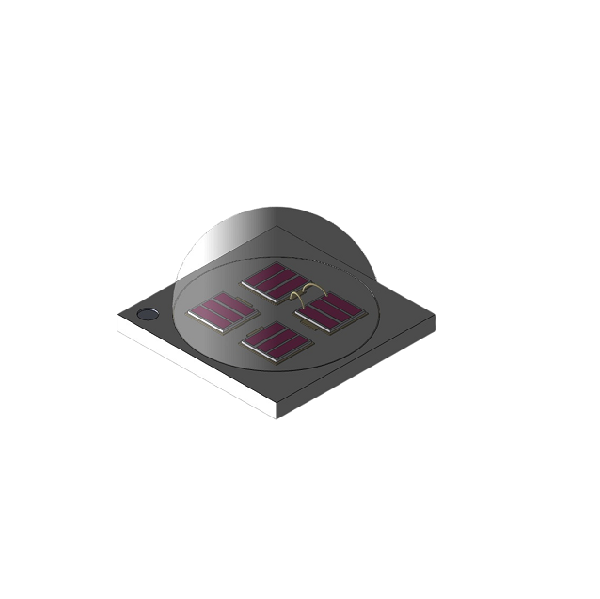
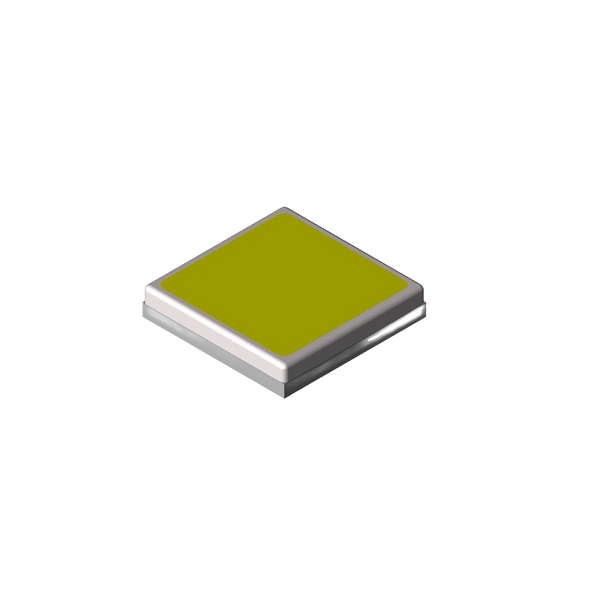
Disinfection LED module, also known as ultraviolet LED disinfection module, is a cutting-edge technology that utilizes LED-ultraviolet light to kill bacteria, viruses, and other pathogens. This innovative module has gained significant attention in recent years due to its effectiveness and efficiency in ensuring a hygienic environment. In this article, we will delve into the workings of disinfection LED modules, their applications, and the advantages they offer over traditional disinfection methods.
How Disinfection LED Module Works
Disinfection LED modules operate on the principle of ultraviolet (UV) light. These modules emit UV-C light, which is a high-energy light with a wavelength between 200 and 280 nanometers. UV-C light is highly effective in destroying the DNA and RNA of microorganisms, rendering them unable to reproduce and causing them to die.
The disinfection process involves the following steps:
1. The LED module emits UV-C light.
2. The light passes through the air or surfaces, killing microorganisms in its path.
3. The treated area becomes free from harmful pathogens, ensuring a safe and hygienic environment.
Applications of Disinfection LED Module
Disinfection LED modules have a wide range of applications across various industries. Some of the key areas where these modules are utilized include:
1. Healthcare: Disinfection LED modules are extensively used in hospitals, clinics, and laboratories to sanitize medical equipment, surgical instruments, and patient rooms. They help in reducing the risk of hospital-acquired infections (HAIs) and ensure a clean and safe environment for patients and healthcare professionals.
2. Food Industry: UV-C light is used to sanitize food processing equipment, packaging materials, and storage areas. This helps in preventing foodborne illnesses and extending the shelf life of products.
3. Water Treatment: Disinfection LED modules can be used to purify water by eliminating harmful pathogens such as bacteria, viruses, and protozoa. This technology is particularly useful in areas with limited access to clean drinking water.
4. Air Purification: These modules can be integrated into air purifiers to eliminate airborne pathogens, ensuring a healthy indoor environment.
5. Public Spaces: Disinfection LED modules are used in airports, malls, schools, and offices to sanitize high-touch surfaces and maintain a hygienic atmosphere.
Advantages of Disinfection LED Module
Compared to traditional disinfection methods such as chemical disinfection, disinfection LED modules offer several advantages:
1. Safety: UV-C light is a non-toxic and environmentally friendly alternative to chemical disinfectants. It does not leave any residues or harmful by-products, making it safer for humans and the environment.
2. Efficiency: Disinfection LED modules provide a faster and more effective sanitization process compared to traditional methods. The high-intensity UV-C light can kill microorganisms within seconds, ensuring a thorough and rapid disinfection.
3. Energy Efficiency: These modules consume less energy compared to other disinfection methods. They operate at low temperatures and have a longer lifespan, resulting in reduced energy consumption and maintenance costs.
4. Flexibility: Disinfection LED modules can be easily integrated into existing systems and are suitable for various applications. They can be mounted on walls, ceilings, or placed on surfaces, providing flexibility in their usage.
5. Cost-Effective: Although the initial investment for disinfection LED modules may be higher than traditional methods, the long-term benefits make them a cost-effective solution. The reduced energy consumption, maintenance costs, and lower risk of infections contribute to overall cost savings.
Conclusion
Disinfection LED modules have emerged as a revolutionary technology in the field of sanitization. Their effectiveness, safety, and versatility make them an ideal choice for various applications across different industries. As the world continues to grapple with the challenges of infectious diseases, the adoption of disinfection LED modules is expected to grow, ensuring a healthier and safer environment for everyone.
 English
 Afrikaans
 Albanian
 Amharic
 Arabic
 Armenian
 Azerbaijani
 Basque
 Belarusian
 Bengali
 Bosnian
 Bulgarian
 Catalan
 Cebuano
 Chichewa
 Corsican
 Croatian
 Czech
Czech Danish
 Dutch
Dutch Esperanto
 Estonian
 Filipino
 Finnish
 French
 Frisian
 Galician
 Georgian
 German
 Greek
Greek Gujarati
 Haitian Creole
 Hausa
Hausa Hawaiian
 Hebrew
 Hindi
Hindi Hmong
Hmong Hungarian
 Icelandic
 Igbo
Igbo Indonesian
 Irish
Irish Italian
 Japanese
 Javanese
 Kannada
 Kazakh
 Khmer
Khmer Korean
 Kurdish (Kurmanji)
 Kyrgyz
 Lao
Lao Latin
Latin Latvian
 Lithuanian
 Luxembourgish
 Macedonian
 Malagasy
 Malay
Malay Malayalam
 Maltese
 Maori
Maori Marathi
 Mongolian
 Myanmar (Burmese)
 Nepali
 Norwegian
 Pashto
 Persian
 Polish
 Portuguese
 Punjabi
 Romanian
 Russian
 Samoan
 Scottish Gaelic
 Serbian
 Sesotho
 Shona
Shona Sindhi
 Sinhala
 Slovak
 Slovenian
 Somali
 Spanish
 Sudanese
 Swahili
 Swedish
 Tajik
Tajik Tamil
Tamil Telugu
 Thai
Thai Turkish
 Ukrainian
 Urdu
Urdu Uzbek
Uzbek Vietnamese
 Welsh
Welsh Xhosa
Xhosa Yiddish
 Yoruba
 Zulu
Zulu