







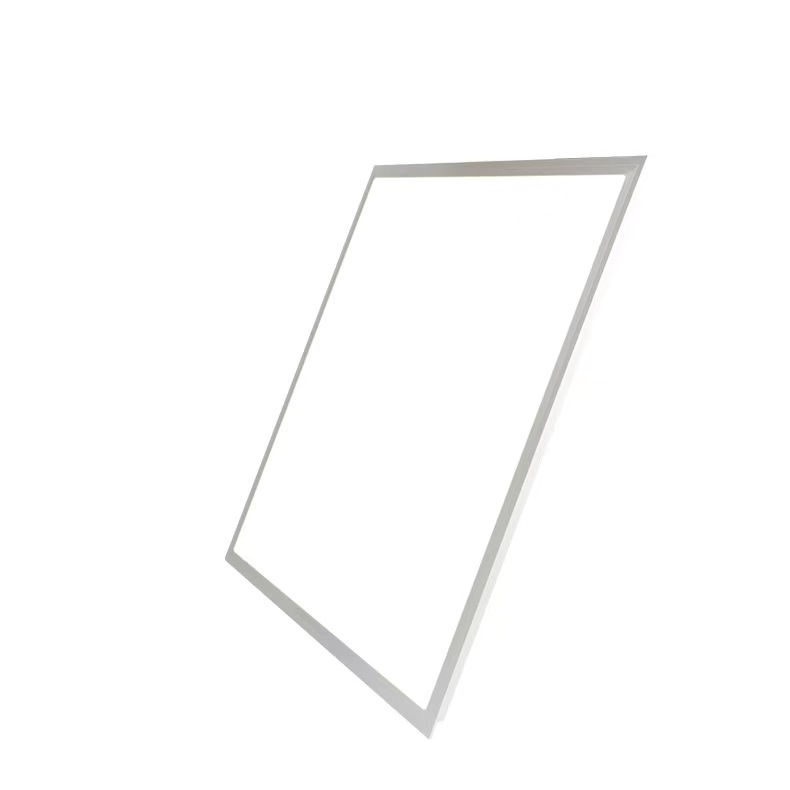
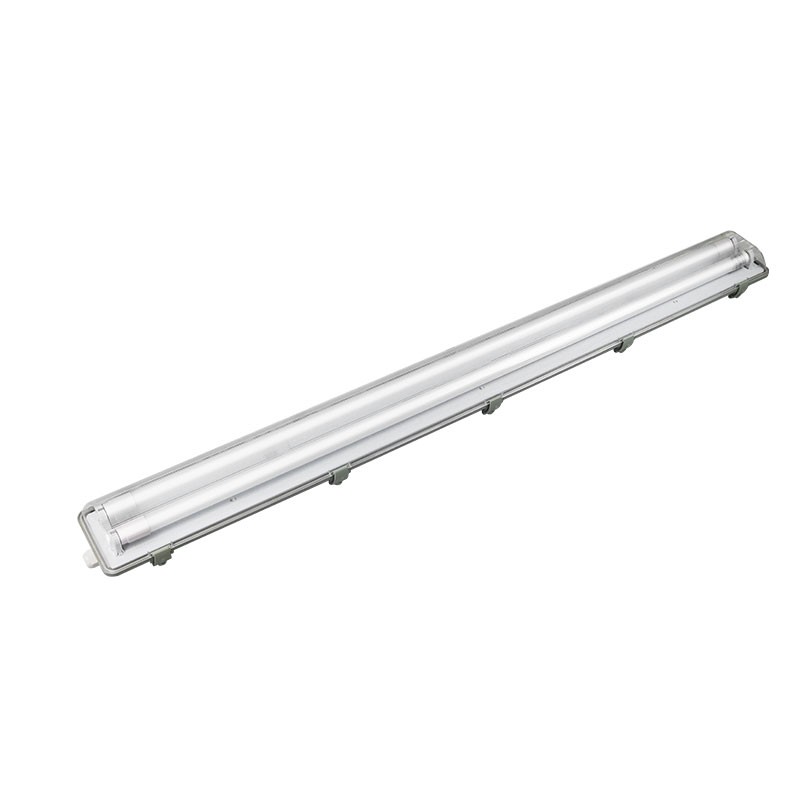
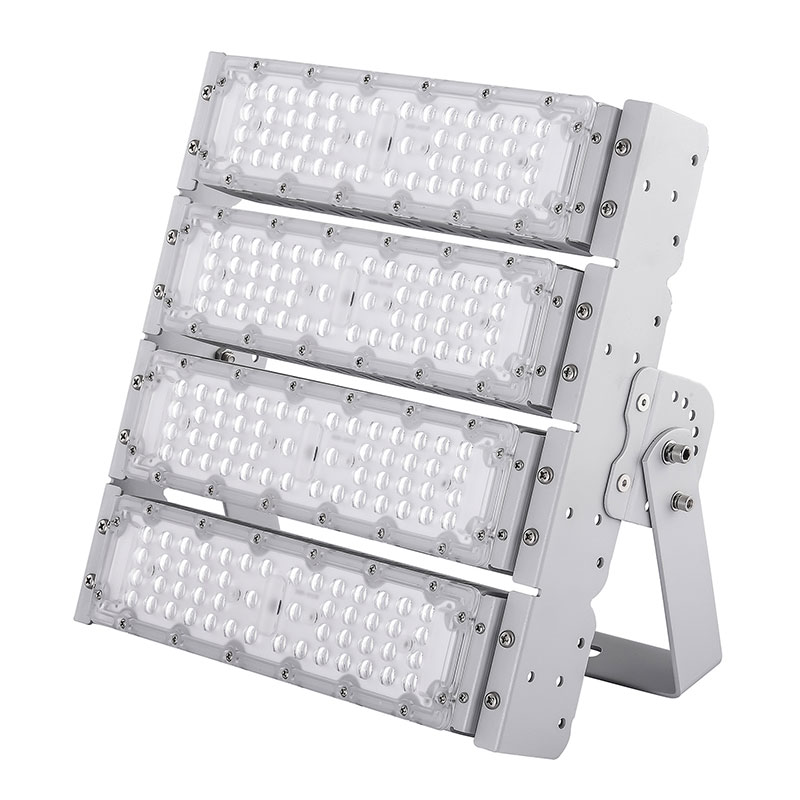


Greenhouse LED light has revolutionized the agricultural industry by providing an efficient and sustainable solution for plant growth. These specialized lights are designed to mimic natural sunlight, ensuring optimal conditions for plants to thrive indoors. In this comprehensive guide, we will delve into the intricacies of greenhouse LED lights, exploring their benefits, types, and how they are transforming the way we grow our food.
Introduction to Greenhouse LED Lights
Greenhouse LED lights are a cutting-edge technology that has gained significant traction in the horticultural sector. These lights are specifically designed to replace traditional grow lights, such as HID (High-Intensity Discharge) and fluorescent bulbs, offering numerous advantages. The primary purpose of these lights is to provide the necessary light spectrum for plants to photosynthesize effectively, regardless of the time of day or season.
Benefits of Greenhouse LED Lights
One of the most compelling reasons to switch to greenhouse LED lights is their energy efficiency. LED lights consume up to 70% less energy than traditional grow lights, making them a more sustainable option for greenhouse operations. This not only reduces operational costs but also minimizes the carbon footprint of the agricultural industry.
Another significant advantage is the ability to customize the light spectrum. Greenhouse LED lights can be tailored to emit specific wavelengths, such as blue, red, and white light, which are crucial for different stages of plant growth. This customization ensures that plants receive the optimal light conditions for photosynthesis, flowering, and fruiting.
Moreover, LED lights have a longer lifespan compared to traditional bulbs. They can last up to 50,000 hours, which means less frequent replacements and lower maintenance costs. This longevity also translates to a more consistent light output over time, ensuring consistent plant growth.
Types of Greenhouse LED Lights
There are several types of greenhouse LED lights available in the market, each designed to cater to specific plant needs. Here are some of the most common types:
1. Full-Spectrum LED Lights: These lights emit a broad spectrum of light, similar to natural sunlight, and are suitable for all stages of plant growth. They provide the necessary balance of red, blue, and white light for optimal photosynthesis.
2. Red LED Lights: Red lights are primarily used during the flowering and fruiting stages of plant growth. They stimulate the production of hormones responsible for these processes.
3. Blue LED Lights: Blue lights are essential for vegetative growth and are used during the early stages of plant development. They encourage leaf and stem growth, ensuring a robust plant structure.
4. White LED Lights: White lights provide a balanced spectrum of red, blue, and green light, making them suitable for all stages of plant growth. They are often used in combination with other colored lights to create a customized light spectrum.
How Greenhouse LED Lights Work
Greenhouse LED lights work by emitting light at specific wavelengths that are absorbed by chlorophyll in plant cells. This absorption triggers the process of photosynthesis, where plants convert light energy into chemical energy, which is used for growth and development.
The light spectrum emitted by LED lights is crucial for plant growth. Different wavelengths of light have different effects on plants:
– Red light: Stimulates flowering and fruiting.
– Blue light: Promotes vegetative growth and leaf development.
– Green light: Has a minimal impact on plant growth but is essential for photosynthesis.
By providing the right balance of these wavelengths, greenhouse LED lights create an ideal environment for plants to grow, regardless of external conditions.
Applications of Greenhouse LED Lights
Greenhouse LED lights have a wide range of applications in the agricultural industry. Some of the most notable uses include:
1. Vertical Farming: LED lights are perfect for vertical farming setups, where space is limited. They provide the necessary light for plants to grow vertically, maximizing the use of available space.
2. Indoor Gardening: For those who want to grow plants indoors, greenhouse LED lights offer a reliable and efficient solution. They can be used in small grow tents or larger indoor gardens to ensure optimal plant growth.
3. Greenhouses: Traditional greenhouses can benefit significantly from the use of LED lights. They can extend the growing season, improve crop yield, and reduce the need for pesticides and herbicides.
4. Research and Development: Greenhouse LED lights are also used in research and development facilities to study plant growth and development under controlled conditions.
Conclusion
Greenhouse LED lights have become an indispensable tool in the agricultural industry, offering numerous benefits over traditional grow lights. Their energy efficiency, customizable light spectrum, and long lifespan make them a cost-effective and sustainable choice for greenhouse operations. As technology continues to advance, we can expect even more innovative solutions to emerge, further enhancing the capabilities of greenhouse LED lights and revolutionizing the way we grow our food.
 English
 Afrikaans
 Albanian
 Amharic
 Arabic
 Armenian
 Azerbaijani
 Basque
 Belarusian
 Bengali
 Bosnian
 Bulgarian
 Catalan
 Cebuano
 Chichewa
 Corsican
 Croatian
 Czech
Czech Danish
 Dutch
Dutch Esperanto
 Estonian
 Filipino
 Finnish
 French
 Frisian
 Galician
 Georgian
 German
 Greek
Greek Gujarati
 Haitian Creole
 Hausa
Hausa Hawaiian
 Hebrew
 Hindi
Hindi Hmong
Hmong Hungarian
 Icelandic
 Igbo
Igbo Indonesian
 Irish
Irish Italian
 Japanese
 Javanese
 Kannada
 Kazakh
 Khmer
Khmer Korean
 Kurdish (Kurmanji)
 Kyrgyz
 Lao
Lao Latin
Latin Latvian
 Lithuanian
 Luxembourgish
 Macedonian
 Malagasy
 Malay
Malay Malayalam
 Maltese
 Maori
Maori Marathi
 Mongolian
 Myanmar (Burmese)
 Nepali
 Norwegian
 Pashto
 Persian
 Polish
 Portuguese
 Punjabi
 Romanian
 Russian
 Samoan
 Scottish Gaelic
 Serbian
 Sesotho
 Shona
Shona Sindhi
 Sinhala
 Slovak
 Slovenian
 Somali
 Spanish
 Sudanese
 Swahili
 Swedish
 Tajik
Tajik Tamil
Tamil Telugu
 Thai
Thai Turkish
 Ukrainian
 Urdu
Urdu Uzbek
Uzbek Vietnamese
 Welsh
Welsh Xhosa
Xhosa Yiddish
 Yoruba
 Zulu
Zulu
Explore More from Queendom Lamp
Stay updated with the latest LED technology, lighting solutions, and industry insights.
Request a Quote About Queendom