

UV sterilization LED technology has emerged as a revolutionary solution in the field of water purification, air disinfection, and surface sterilization. With its high efficiency, low energy consumption, and compact design, UV sterilization LED has become an indispensable tool in various industries, including healthcare, food and beverage, and water treatment. In this article, we will delve into the intricacies of UV sterilization LED technology, exploring its working principles, advantages, applications, and future prospects.
Introduction to UV Sterilization LED
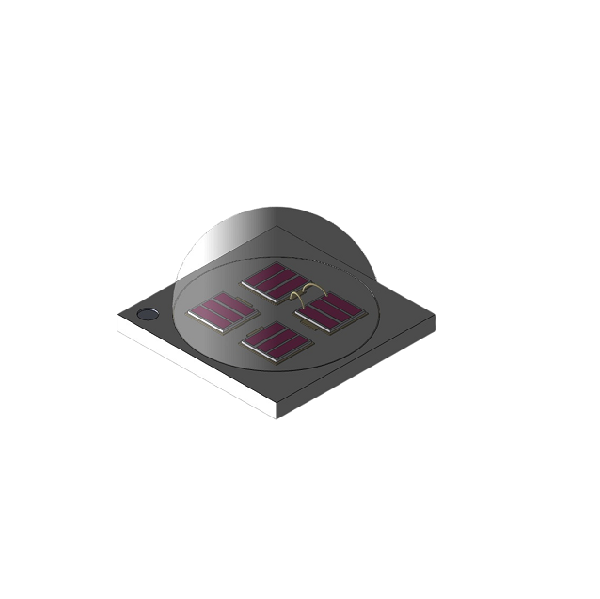
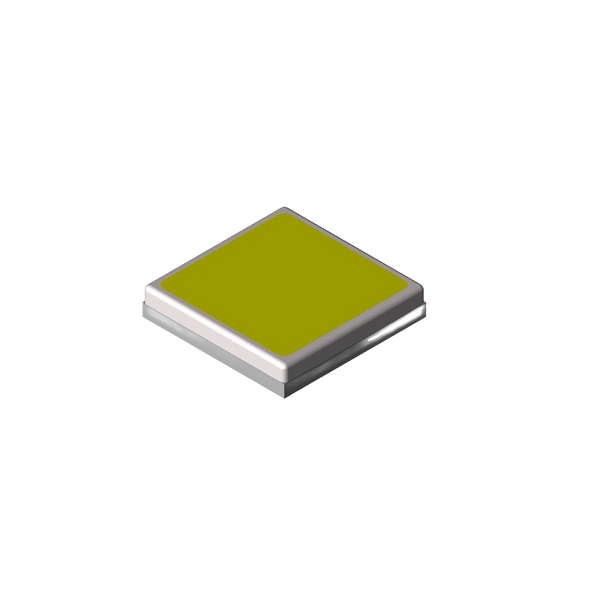
UV sterilization LED refers to the use of ultraviolet light-emitting diodes (LEDs) for sterilization purposes. Unlike traditional UV lamps that emit a broad spectrum of UV light, UV sterilization LED emits a narrow band of UV-C light, which is highly effective in destroying microorganisms such as bacteria, viruses, and fungi. The compact size and long lifespan of UV sterilization LED make it a preferred choice for various applications.
Working Principles of UV Sterilization LED
The working principle of UV sterilization LED is based on the ability of UV-C light to damage the DNA and RNA of microorganisms. When microorganisms are exposed to UV-C light, the light energy is absorbed by the nucleic acids, leading to the formation of pyrimidine dimers and other DNA lesions. These lesions disrupt the replication and transcription processes of the microorganisms, ultimately leading to their inactivation or death.
Advantages of UV Sterilization LED
There are several advantages of using UV sterilization LED technology over traditional UV lamps:
– Energy Efficiency: UV sterilization LED consumes significantly less energy compared to traditional UV lamps, making it a more sustainable and cost-effective solution.
– Longevity: UV sterilization LED has a longer lifespan, which reduces maintenance costs and the frequency of replacement.
– Compact Design: The small size of UV sterilization LED allows for easy integration into various devices and systems.
– Targeted Sterilization: UV sterilization LED emits a narrow band of UV-C light, ensuring that only the intended area is sterilized, minimizing energy waste.
– Environmental Friendliness: UV sterilization LED does not produce harmful by-products or emissions, making it an environmentally friendly option.
Applications of UV Sterilization LED
UV sterilization LED technology finds applications in various fields:
– Water Purification: UV sterilization LED is used in water treatment plants to eliminate harmful microorganisms, ensuring safe drinking water.
– Air Disinfection: UV sterilization LED is employed in HVAC systems, air purifiers, and ventilators to reduce the spread of airborne pathogens.
– Surface Sterilization: UV sterilization LED is used in healthcare facilities, laboratories, and food processing plants to sanitize surfaces and equipment.
– Food and Beverage Industry: UV sterilization LED is utilized in the sterilization of water used in food and beverage production, as well as in the pasteurization of certain products.
– Pharmaceutical Industry: UV sterilization LED is used in pharmaceutical manufacturing processes to eliminate contaminants and ensure product quality.
Future Prospects of UV Sterilization LED
The future of UV sterilization LED technology looks promising, with several ongoing research and development efforts aimed at enhancing its performance and expanding its applications. Some of the key areas of focus include:
– Improved Efficiency: Ongoing research is aimed at developing UV sterilization LED with higher UV-C output and broader spectral coverage, enhancing its sterilization capabilities.
– Cost Reduction: Efforts are being made to reduce the cost of UV sterilization LED production, making it more accessible to a wider range of users.
– Smart Integration: The integration of UV sterilization LED with smart sensors and control systems is expected to provide more efficient and automated sterilization solutions.
– Environmental Impact: Research is being conducted to further minimize the environmental impact of UV sterilization LED technology, ensuring its sustainability.
In conclusion, UV sterilization LED technology has become a crucial component in the fight against microbial contamination. With its numerous advantages and diverse applications, UV sterilization LED is poised to play a significant role in improving public health, food safety, and environmental protection. As the technology continues to evolve, we can expect to see even more innovative and efficient solutions emerging in the years to come.
 English
 Afrikaans
 Albanian
 Amharic
 Arabic
 Armenian
 Azerbaijani
 Basque
 Belarusian
 Bengali
 Bosnian
 Bulgarian
 Catalan
 Cebuano
 Chichewa
 Corsican
 Croatian
 Czech
Czech Danish
 Dutch
Dutch Esperanto
 Estonian
 Filipino
 Finnish
 French
 Frisian
 Galician
 Georgian
 German
 Greek
Greek Gujarati
 Haitian Creole
 Hausa
Hausa Hawaiian
 Hebrew
 Hindi
Hindi Hmong
Hmong Hungarian
 Icelandic
 Igbo
Igbo Indonesian
 Irish
Irish Italian
 Japanese
 Javanese
 Kannada
 Kazakh
 Khmer
Khmer Korean
 Kurdish (Kurmanji)
 Kyrgyz
 Lao
Lao Latin
Latin Latvian
 Lithuanian
 Luxembourgish
 Macedonian
 Malagasy
 Malay
Malay Malayalam
 Maltese
 Maori
Maori Marathi
 Mongolian
 Myanmar (Burmese)
 Nepali
 Norwegian
 Pashto
 Persian
 Polish
 Portuguese
 Punjabi
 Romanian
 Russian
 Samoan
 Scottish Gaelic
 Serbian
 Sesotho
 Shona
Shona Sindhi
 Sinhala
 Slovak
 Slovenian
 Somali
 Spanish
 Sudanese
 Swahili
 Swedish
 Tajik
Tajik Tamil
Tamil Telugu
 Thai
Thai Turkish
 Ukrainian
 Urdu
Urdu Uzbek
Uzbek Vietnamese
 Welsh
Welsh Xhosa
Xhosa Yiddish
 Yoruba
 Zulu
Zulu
Explore More from Queendom Lamp
Stay updated with the latest LED technology, lighting solutions, and industry insights.
Request a Quote About Queendom