


UV sterilization lamps have become an indispensable tool in various industries for ensuring the safety and cleanliness of products and environments. These lamps emit ultraviolet (UV) light, which has proven to be highly effective in destroying harmful microorganisms such as bacteria, viruses, and fungi. This article provides an in-depth introduction to the UV sterilization lamp industry, covering its history, technology, applications, market trends, and future prospects.
History of UV Sterilization Lamps
The concept of using UV light for sterilization dates back to the early 20th century. In 1878, German physicist Wilhelm Röntgen discovered UV light, and soon after, scientists began to explore its potential in sterilization. The first UV sterilization lamps were developed in the 1920s and were primarily used in medical and laboratory settings. Over the years, advancements in technology have led to the development of more efficient and versatile UV sterilization lamps.
Technology of UV Sterilization Lamps
UV sterilization lamps work by emitting UV-C light, which has a wavelength between 200 and 280 nanometers. This specific range of UV light is highly effective in destroying the DNA and RNA of microorganisms, rendering them unable to reproduce and causing them to die. There are two main types of UV sterilization lamps: low-pressure mercury lamps and medium-pressure mercury lamps.
Low-pressure mercury lamps are the most common type of UV sterilization lamps. They use a low-pressure mercury vapor to produce UV-C light. These lamps are compact, energy-efficient, and have a long lifespan. They are widely used in water purification, air purification, and surface sterilization applications.
Medium-pressure mercury lamps produce a broader spectrum of UV light, including UV-C. They are more powerful and are used in applications that require a higher level of sterilization, such as in healthcare facilities and food processing plants.
Applications of UV Sterilization Lamps
UV sterilization lamps find applications in a wide range of industries:
- Water Treatment: UV sterilization is used to purify drinking water, wastewater, and swimming pool water by eliminating harmful pathogens.
- Air Purification: UV lamps are used in air purifiers to kill bacteria, viruses, and fungi in the air, improving indoor air quality.
- Surface Sterilization: UV lamps are used to sterilize surfaces in healthcare facilities, laboratories, and food processing plants.
- Medical Equipment: UV sterilization lamps are used to sterilize medical equipment and instruments, ensuring patient safety.
- Food Processing: UV lamps are used to sterilize food packaging materials and to pasteurize food products.
- Pharmaceutical Industry: UV sterilization is used in pharmaceutical manufacturing to ensure the purity of drugs and medical products.
Market Trends
The UV sterilization lamp market has been growing steadily over the past few years, driven by increasing awareness of the importance of hygiene and safety. The following trends are shaping the market:
- Increased Demand in Healthcare: The global healthcare industry is witnessing a surge in demand for UV sterilization lamps to combat hospital-acquired infections.
- Expansion of Water Treatment Market: The growing concern for water quality and safety is driving the adoption of UV sterilization in water treatment facilities.
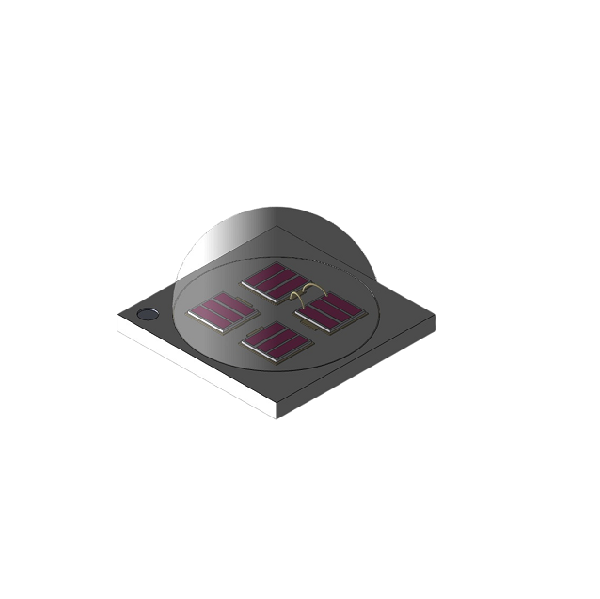
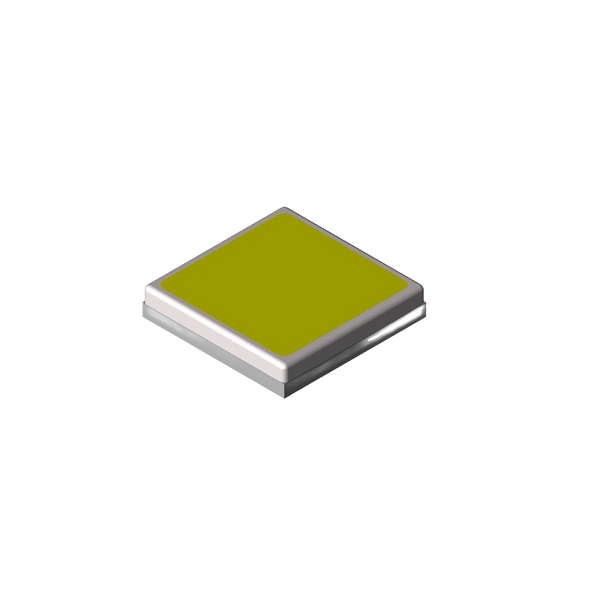
- Development of New Technologies: Innovations in UV lamp technology, such as LED-based UV sterilization, are expected to boost market growth.
- Regulatory Compliance: Stringent regulations in various industries are pushing the adoption of UV sterilization lamps to ensure compliance.
Future Prospects
The future of the UV sterilization lamp industry looks promising, with several factors contributing to its growth:
- Technological Advancements: Ongoing research and development are expected to lead to more efficient and cost-effective UV sterilization lamps.
- <strong(Environmental Concerns: As the world becomes more environmentally conscious, UV sterilization will play a crucial role in reducing the use of chemical disinfectants.
- Globalization of Markets: The increasing globalization of markets is opening up new opportunities for UV sterilization lamp manufacturers to expand their reach.
- Increased Focus on Public Health: The growing focus on public health and hygiene is expected to drive the demand for UV sterilization lamps in various applications.
In conclusion, UV sterilization lamps have become an essential tool in ensuring the safety and cleanliness of products and environments. With continuous technological advancements and increasing awareness of hygiene and safety, the UV sterilization lamp industry is poised for significant growth in the coming years.
 English
 Afrikaans
 Albanian
 Amharic
 Arabic
 Armenian
 Azerbaijani
 Basque
 Belarusian
 Bengali
 Bosnian
 Bulgarian
 Catalan
 Cebuano
 Chichewa
 Corsican
 Croatian
 Czech
Czech Danish
 Dutch
Dutch Esperanto
 Estonian
 Filipino
 Finnish
 French
 Frisian
 Galician
 Georgian
 German
 Greek
Greek Gujarati
 Haitian Creole
 Hausa
Hausa Hawaiian
 Hebrew
 Hindi
Hindi Hmong
Hmong Hungarian
 Icelandic
 Igbo
Igbo Indonesian
 Irish
Irish Italian
 Japanese
 Javanese
 Kannada
 Kazakh
 Khmer
Khmer Korean
 Kurdish (Kurmanji)
 Kyrgyz
 Lao
Lao Latin
Latin Latvian
 Lithuanian
 Luxembourgish
 Macedonian
 Malagasy
 Malay
Malay Malayalam
 Maltese
 Maori
Maori Marathi
 Mongolian
 Myanmar (Burmese)
 Nepali
 Norwegian
 Pashto
 Persian
 Polish
 Portuguese
 Punjabi
 Romanian
 Russian
 Samoan
 Scottish Gaelic
 Serbian
 Sesotho
 Shona
Shona Sindhi
 Sinhala
 Slovak
 Slovenian
 Somali
 Spanish
 Sudanese
 Swahili
 Swedish
 Tajik
Tajik Tamil
Tamil Telugu
 Thai
Thai Turkish
 Ukrainian
 Urdu
Urdu Uzbek
Uzbek Vietnamese
 Welsh
Welsh Xhosa
Xhosa Yiddish
 Yoruba
 Zulu
Zulu
Explore More from Queendom Lamp
Stay updated with the latest LED technology, lighting solutions, and industry insights.
Request a Quote About Queendom