

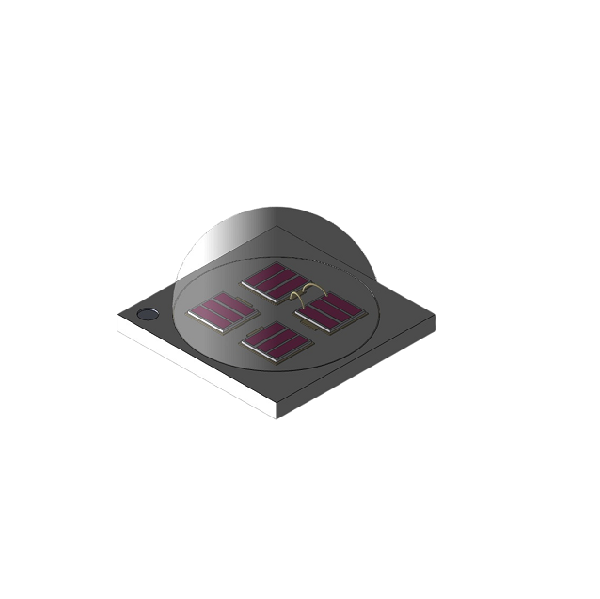
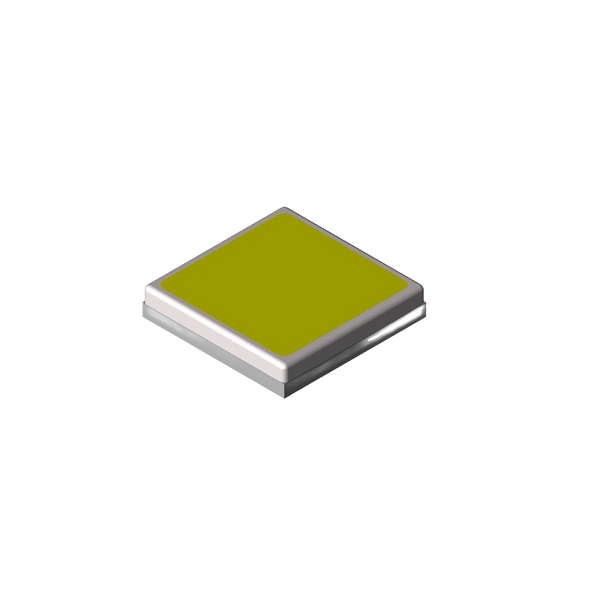

Introduction to Infrared SMD Diode
What is an Infrared SMD Diode?
An infrared SMD diode, also known as an infrared LED (Light Emitting Diode), is a semiconductor device that emits infrared light when an electric current is applied to it. It is widely used in various applications, such as remote controls, security systems, and communication systems. Infrared SMD diodes are compact, reliable, and energy-efficient, making them an ideal choice for modern electronic devices.
Working Principle of Infrared SMD Diode
The working principle of an infrared SMD diode is based on the photoelectric effect. When an electric current passes through the diode, it generates heat, which excites the electrons in the semiconductor material. These excited electrons recombine with the holes in the material, releasing energy in the form of infrared light. The wavelength of the emitted light typically ranges from 700 nm to 1400 nm, which is beyond the visible spectrum.
Types of Infrared SMD Diodes
There are several types of infrared SMD diodes, each with its unique characteristics and applications. The most common types include:
1. Infrared Emitting Diode (IRED): This type of diode emits infrared light when an electric current is applied to it. It is widely used in remote controls, optical communication, and security systems.
2. Infrared Photodiode: This type of diode detects infrared light and converts it into an electrical signal. It is used in applications such as infrared remote controls, optical communication, and motion sensors.
3. Infrared Photo Transistor: This type of diode combines the functions of an infrared photodiode and a transistor. It is used in applications that require high sensitivity and fast response, such as optical communication and remote controls.
Applications of Infrared SMD Diodes
Infrared SMD diodes have a wide range of applications in various industries. Some of the most common applications include:
1. Remote Controls: Infrared SMD diodes are extensively used in remote controls for televisions, air conditioners, and other electronic devices. They allow users to control these devices from a distance without the need for a direct line of sight.
2. Security Systems: Infrared SMD diodes are used in motion sensors and other security systems to detect unauthorized movements. They provide a reliable and cost-effective solution for protecting homes, offices, and other buildings.
3. Communication Systems: Infrared SMD diodes are used in optical communication systems to transmit data over short distances. They offer high data transfer rates and are suitable for applications such as wireless data transmission and remote control of industrial equipment.
4. Medical Devices: Infrared SMD diodes are used in medical devices for various purposes, such as monitoring patient vital signs, detecting tumors, and performing diagnostic procedures.
5. Automotive Industry: Infrared SMD diodes are used in automotive applications, such as parking sensors, backup cameras, and driver assistance systems.
Advantages of Infrared SMD Diodes
Infrared SMD diodes offer several advantages over other types of diodes, making them a popular choice for various applications. Some of the key advantages include:
1. Compact Size: Infrared SMD diodes are small and lightweight, which makes them ideal for integration into compact electronic devices.
2. High Reliability: These diodes are durable and have a long lifespan, ensuring reliable performance in various applications.
3. Energy Efficiency: Infrared SMD diodes consume less power compared to other types of diodes, making them energy-efficient and cost-effective.
4. Wide Range of Applications: Infrared SMD diodes can be used in a wide range of applications, from consumer electronics to industrial and medical devices.
Challenges and Future Trends
Despite their numerous advantages, infrared SMD diodes face certain challenges. One of the main challenges is the development of high-sensitivity and low-noise photodiodes for better detection capabilities. Another challenge is the miniaturization of these diodes to accommodate smaller and more compact electronic devices.
In the future, the following trends are expected to shape the infrared SMD diode industry:
1. Improved Performance: Continuous research and development efforts are being made to enhance the performance of infrared SMD diodes, such as increasing sensitivity, reducing noise, and improving stability.
2. Integration with Other Technologies: Infrared SMD diodes are expected to be integrated with other technologies, such as sensors and microcontrollers, to create more advanced and intelligent devices.
3. Expansion of Applications: As the demand for infrared SMD diodes grows, their applications are expected to expand into new markets, such as augmented reality, virtual reality, and smart homes.
In conclusion, infrared SMD diodes play a crucial role in modern electronic devices. With their compact size, high reliability, and wide range of applications, these diodes are expected to continue growing in popularity in the years to come. As technology advances, the infrared SMD diode industry will face new challenges and opportunities, leading to further innovation and development.
 English
 Afrikaans
 Albanian
 Amharic
 Arabic
 Armenian
 Azerbaijani
 Basque
 Belarusian
 Bengali
 Bosnian
 Bulgarian
 Catalan
 Cebuano
 Chichewa
 Corsican
 Croatian
 Czech
Czech Danish
 Dutch
Dutch Esperanto
 Estonian
 Filipino
 Finnish
 French
 Frisian
 Galician
 Georgian
 German
 Greek
Greek Gujarati
 Haitian Creole
 Hausa
Hausa Hawaiian
 Hebrew
 Hindi
Hindi Hmong
Hmong Hungarian
 Icelandic
 Igbo
Igbo Indonesian
 Irish
Irish Italian
 Japanese
 Javanese
 Kannada
 Kazakh
 Khmer
Khmer Korean
 Kurdish (Kurmanji)
 Kyrgyz
 Lao
Lao Latin
Latin Latvian
 Lithuanian
 Luxembourgish
 Macedonian
 Malagasy
 Malay
Malay Malayalam
 Maltese
 Maori
Maori Marathi
 Mongolian
 Myanmar (Burmese)
 Nepali
 Norwegian
 Pashto
 Persian
 Polish
 Portuguese
 Punjabi
 Romanian
 Russian
 Samoan
 Scottish Gaelic
 Serbian
 Sesotho
 Shona
Shona Sindhi
 Sinhala
 Slovak
 Slovenian
 Somali
 Spanish
 Sudanese
 Swahili
 Swedish
 Tajik
Tajik Tamil
Tamil Telugu
 Thai
Thai Turkish
 Ukrainian
 Urdu
Urdu Uzbek
Uzbek Vietnamese
 Welsh
Welsh Xhosa
Xhosa Yiddish
 Yoruba
 Zulu
Zulu
Explore More from Queendom Lamp
Stay updated with the latest LED technology, lighting solutions, and industry insights.
Request a Quote About Queendom