





Corridor with emergency ceiling lamp has become an essential element in modern building design, especially in areas where safety and emergency preparedness are of utmost importance. This article aims to provide an in-depth introduction to the industry of corridor emergency ceiling lamps, exploring their functionality, benefits, and the latest technological advancements.
Introduction to Corridor with Emergency Ceiling Lamp
A corridor with emergency ceiling lamp refers to a hallway or passage equipped with ceiling-mounted lamps that can provide illumination during power outages or emergencies. These lamps are designed to ensure that individuals can navigate through the corridor safely and efficiently, even in low-light or no-light conditions. The emergency ceiling lamps are typically powered by a combination of AC and battery sources, allowing them to operate for an extended period during power failures.
Functionality of Emergency Ceiling Lamps
Emergency ceiling lamps are designed to fulfill several key functions:
1. Illumination: The primary function of emergency ceiling lamps is to provide sufficient lighting for individuals to navigate through the corridor safely. This is crucial in emergency situations where visibility is limited.
2. Safety: By ensuring that corridors are well-lit during emergencies, these lamps help prevent accidents and injuries. They also provide a sense of security, allowing individuals to move through the corridor with confidence.
3. Communication: Emergency ceiling lamps can be equipped with communication features, such as emergency call buttons or voice announcements, to facilitate communication between individuals during emergencies.
4. Guidance: In large buildings or facilities, emergency ceiling lamps can be used to guide individuals to designated exit points or safety areas.
Benefits of Emergency Ceiling Lamps
The installation of emergency ceiling lamps offers several benefits, including:
1. Enhanced Safety: As mentioned earlier, emergency ceiling lamps play a crucial role in ensuring the safety of individuals during emergencies. They help prevent accidents and injuries, thereby reducing the risk of harm to building occupants.
2. Cost-Effectiveness: Emergency ceiling lamps are designed to be energy-efficient, which helps reduce electricity consumption and lower energy costs in the long run.
3. Ease of Installation: These lamps are easy to install and can be integrated into existing building infrastructure without significant modifications.
4. Longevity: Emergency ceiling lamps are built to withstand harsh conditions and have a long lifespan, ensuring that they remain functional for years to come.
Types of Emergency Ceiling Lamps
There are various types of emergency ceiling lamps available in the market, each with its unique features and benefits:
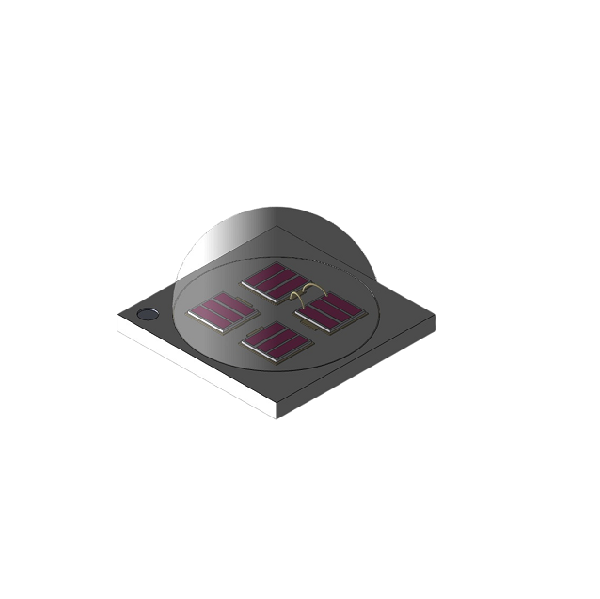
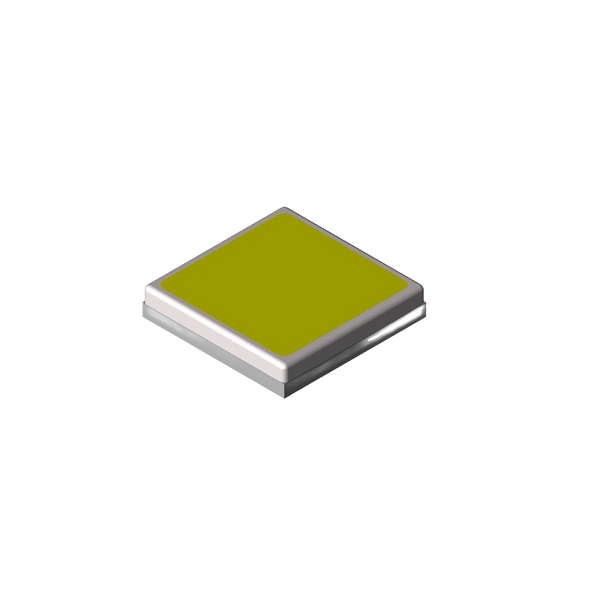
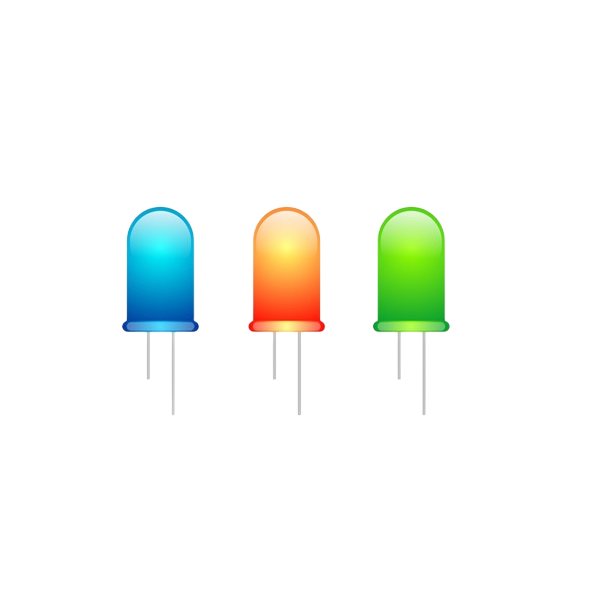
1. LED Emergency Ceiling Lamps: LED lamps are popular due to their energy efficiency, long lifespan, and ability to produce high-quality light. They are available in various sizes and designs to suit different corridor layouts.
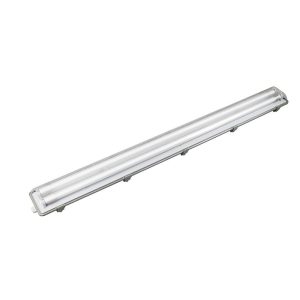
2. Fluorescent Emergency Ceiling Lamps: Fluorescent lamps are another popular choice for emergency lighting, as they are energy-efficient and provide a bright, consistent light output.
3. Halogen Emergency Ceiling Lamps: Halogen lamps are known for their warm, inviting light and are often used in areas where a soft, cozy ambiance is desired.
4. Combination Emergency Ceiling Lamps: Some emergency ceiling lamps combine different lighting technologies, such as LED and halogen, to provide the best of both worlds in terms of energy efficiency and light quality.
Regulatory Requirements and Standards
The installation of emergency ceiling lamps must comply with local building codes and regulatory requirements. These regulations vary by country and region, but some common standards include:
1. Illumination Levels: Emergency ceiling lamps must provide a minimum level of illumination to ensure safe navigation through corridors.
2. Battery Backup: The lamps must have a sufficient battery backup to operate for a predetermined period during power outages.
3. Testing and Maintenance: Regular testing and maintenance of emergency ceiling lamps are essential to ensure their proper functioning.
Technological Advancements
The emergency ceiling lamp industry has seen significant technological advancements in recent years. Some of the latest innovations include:
1. Smart Emergency Ceiling Lamps: These lamps can be integrated with building management systems, allowing for remote monitoring and control. They can also be equipped with sensors to detect smoke, carbon monoxide, or other hazardous substances, providing additional safety features.
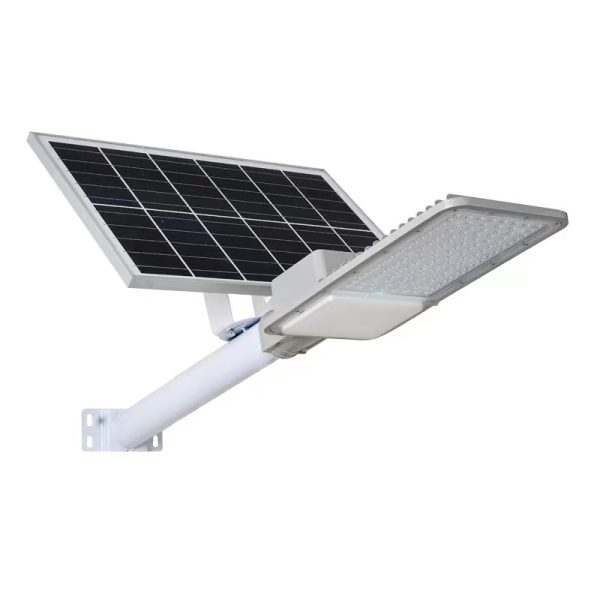
2. Energy Harvesting: Some emergency ceiling lamps utilize energy harvesting technologies, such as solar panels or piezoelectric sensors, to charge their batteries. This reduces the need for conventional power sources and makes the lamps more sustainable.
3. Wireless Connectivity: Wireless emergency ceiling lamps can be easily integrated into existing building infrastructure, eliminating the need for extensive wiring and reducing installation costs.
In conclusion, corridor with emergency ceiling lamp plays a vital role in ensuring the safety and well-being of individuals in buildings and facilities. As the industry continues to evolve, emergency ceiling lamps will become even more advanced and efficient, providing enhanced safety and convenience for building occupants.


Explore More from Queendom Lamp
Stay updated with the latest LED technology, lighting solutions, and industry insights.
Request a Quote About Queendom