










Emergency ceiling lighting is a critical component in the safety and preparedness of any building. These specialized lighting systems are designed to provide illumination during power outages or emergency situations, ensuring that occupants can safely navigate the building and exit in an orderly manner. This article delves into the importance of emergency ceiling lighting, its various types, installation considerations, and the regulatory standards that govern its use.
Importance of Emergency Ceiling Lighting
Emergency ceiling lighting plays a vital role in the safety of individuals within a building. In the event of a power failure, natural disasters, or fires, these lights can illuminate dark areas, guiding people to safety. The following are some key reasons why emergency ceiling lighting is essential:
– Safety: During emergencies, visibility is crucial. Emergency ceiling lighting ensures that people can see clearly, reducing the risk of accidents and injuries.
– Evacuation: In the event of an evacuation, emergency lighting helps to direct people to exits and emergency routes, facilitating a quick and orderly evacuation.
– Search and Rescue: Emergency ceiling lighting provides illumination for search and rescue teams, enabling them to locate and assist individuals who may be trapped or injured.
– Legal Compliance: Many jurisdictions require buildings to have emergency lighting systems to meet safety standards and regulations.
Types of Emergency Ceiling Lighting
There are several types of emergency ceiling lighting available, each with its own advantages and applications:
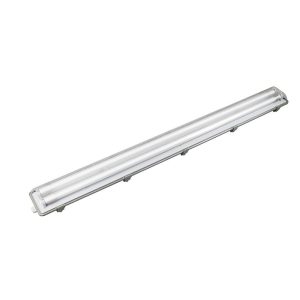
– Fluorescent Emergency Lighting: This type of lighting uses fluorescent tubes that are designed to provide illumination for a specified duration during a power outage. It is energy-efficient and has a long lifespan.
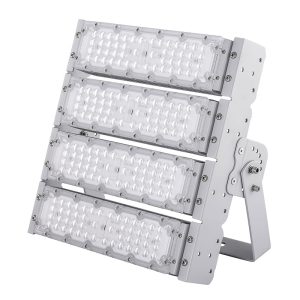
– LED Emergency Lighting: LED emergency lighting is becoming increasingly popular due to its energy efficiency, long lifespan, and ability to provide high-quality light. It is also suitable for use in areas with high ambient temperatures.
– Battery-Powered Emergency Lighting: These systems are self-contained and do not require a power source. They are ideal for remote or unpowered areas.
– AC/DC Emergency Lighting: This type combines the use of an AC-powered emergency light with a battery backup, ensuring continuous operation during power outages.
Installation Considerations
Proper installation of emergency ceiling lighting is crucial for its effectiveness. Here are some key considerations:
– Location: Emergency lights should be installed in strategic locations, such as exits, corridors, stairwells, and emergency equipment areas.
– Brightness: The brightness of emergency lights should be sufficient to illuminate the intended area, typically around 1 lux.
– Distribution: The distribution of emergency lights should be even throughout the building to ensure adequate coverage.
– Maintenance: Regular maintenance is essential to ensure that emergency lighting systems are functioning correctly. This includes checking batteries, bulbs, and overall system performance.
Regulatory Standards
The use of emergency ceiling lighting is governed by various regulatory standards, which vary by country and region. Some of the key standards include:
– NFPA 101: This standard, known as the Life Safety Code, provides requirements for the design, construction, and maintenance of buildings to ensure safety during emergencies.
– IEC 60598: This international standard specifies the general requirements for the safety of lighting equipment.
– EN 60598: This European standard is similar to IEC 60598 and provides requirements for the safety of lighting equipment.
Conclusion
Emergency ceiling lighting is an essential safety feature in any building. Its importance cannot be overstated, as it can save lives during emergencies. By understanding the different types of emergency lighting, installation considerations, and regulatory standards, building owners and managers can ensure that their facilities are equipped with an effective emergency lighting system. Investing in quality emergency ceiling lighting is an investment in the safety and well-being of all occupants.


Explore More from Queendom Lamp
Stay updated with the latest LED technology, lighting solutions, and industry insights.
Request a Quote About Queendom