
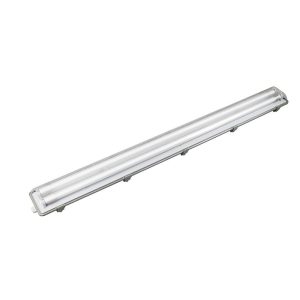
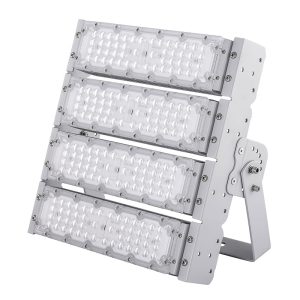
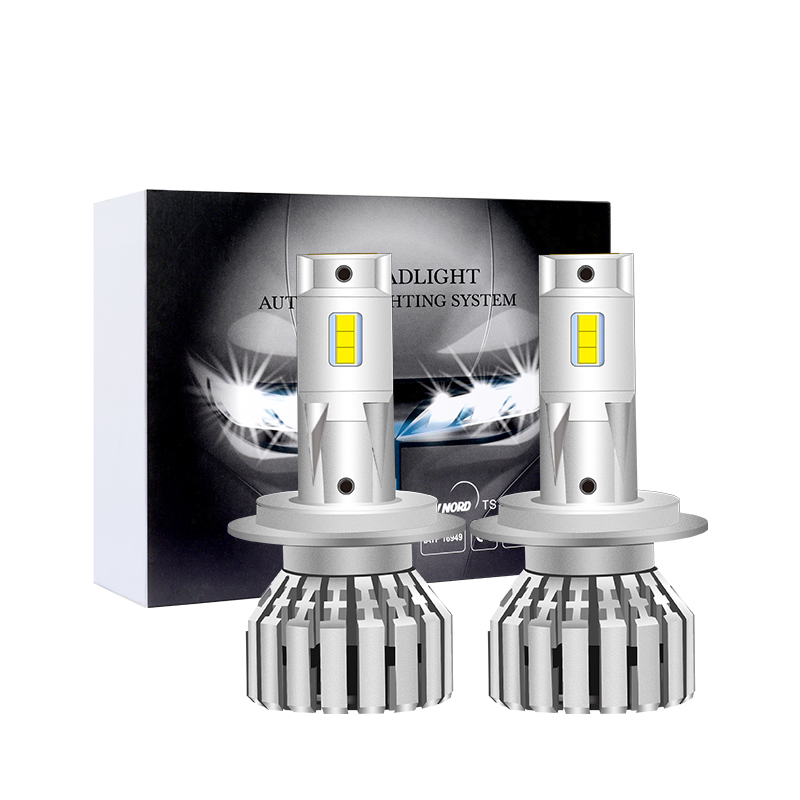
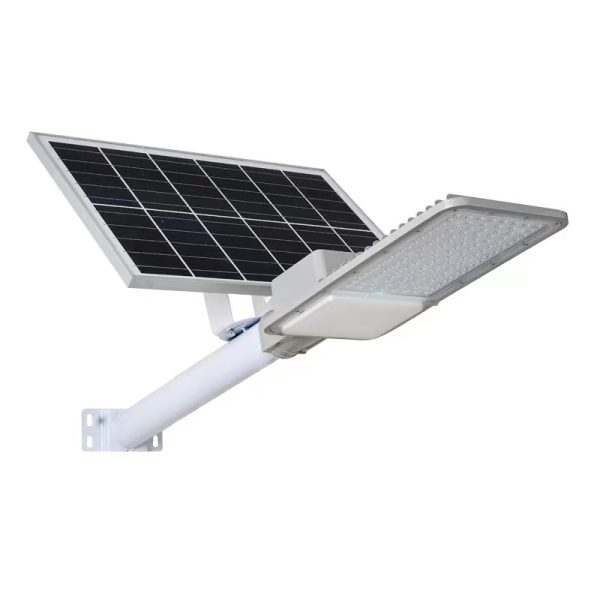
Ceiling lamp tubes, also known as fluorescent tubes or linear fluorescent lamps, are an essential component of modern lighting systems. These tubes are designed to be mounted on the ceiling and provide a wide range of lighting solutions for residential, commercial, and industrial applications. In this article, we will delve into the world of ceiling lamp tubes, exploring their history, types, applications, and the latest advancements in this field.
History of Ceiling Lamp Tubes
The concept of fluorescent lighting was first developed in the early 20th century. In 1912, the German inventor, Peter Strasser, filed a patent for a fluorescent lamp. However, it was not until the 1930s that the technology became commercially viable. During World War II, fluorescent tubes were used extensively in factories and military installations due to their energy efficiency and long lifespan.
After the war, the popularity of fluorescent lighting grew rapidly, especially in office buildings and commercial spaces. The introduction of various color temperatures and the development of different tube shapes further expanded the applications of ceiling lamp tubes. Today, they are a staple in modern lighting designs, offering a balance between cost-effectiveness, energy efficiency, and versatility.
Types of Ceiling Lamp Tubes
Ceiling lamp tubes come in various types, each designed for specific applications and environments. Here are some of the most common types:
- Linear Fluorescent Tubes: These are the most common type of ceiling lamp tubes, available in different lengths, such as 2 feet, 4 feet, 8 feet, and 4 feet 8 inches. They are suitable for a wide range of applications, including offices, schools, and retail spaces.
- Compact Fluorescent Lamps (CFLs): CFLs are a more energy-efficient alternative to traditional linear fluorescent tubes. They are available in various shapes and sizes, including circular, U-shaped, and spiral designs.
- High-Intensity Discharge (HID) Lamps: HID lamps, such as metal halide and high-pressure sodium lamps, are used in outdoor lighting, sports facilities, and large commercial spaces. They provide a bright, white light and are known for their long lifespan.
- LED Tubes: LED tubes are the latest innovation in ceiling lighting. They offer exceptional energy efficiency, long lifespan, and a wide range of color temperatures. LED tubes are suitable for both residential and commercial applications.
Applications of Ceiling Lamp Tubes
Ceiling lamp tubes are used in a variety of settings, from homes to industrial facilities. Some of the most common applications include:
- Residential: Ceiling lamp tubes are commonly used in residential settings for general lighting, such as in living rooms, dining rooms, and hallways. They provide a bright, uniform light that is energy-efficient and cost-effective.
- Commercial: In commercial buildings, ceiling lamp tubes are used for office lighting, retail store illumination, and parking lot lighting. They offer a versatile lighting solution that can be easily integrated into existing lighting systems.
- Industrial: Industrial settings, such as factories and warehouses, rely on ceiling lamp tubes for efficient and reliable lighting. These tubes are designed to withstand harsh conditions and provide a consistent light output.
- Outdoor: Outdoor ceiling lamp tubes are used for street lighting, parking lot lighting, and security lighting. They are designed to be durable and resistant to weather conditions.
Advancements in Ceiling Lamp Tube Technology
Over the years, there have been significant advancements in ceiling lamp tube technology, making them more energy-efficient, durable, and versatile. Some of the key advancements include:
- Energy Efficiency: Newer ceiling lamp tubes, such as LED tubes, are significantly more energy-efficient than traditional fluorescent tubes. This not only reduces energy costs but also helps in reducing the carbon footprint.
- Color Quality: Modern ceiling lamp tubes offer a wide range of color temperatures, from warm to cool, allowing for greater flexibility in lighting design. This enables users to create the desired ambiance and enhance the visual appeal of their spaces.
- Lifespan: LED tubes, in particular, have a much longer lifespan than traditional fluorescent tubes. This means less frequent replacement and lower maintenance costs.
- Dimmability: Many ceiling lamp tubes are now dimmable, allowing users to adjust the light output to suit their needs. This feature is particularly useful in residential settings where mood lighting is desired.
Conclusion
Ceiling lamp tubes have come a long way since their inception in the early 20th century. Today, they are an integral part of modern lighting systems, offering a wide range of benefits for residential, commercial, and industrial applications. With ongoing advancements in technology, ceiling lamp tubes continue to evolve, providing more energy-efficient, durable, and versatile lighting solutions for the future.


Explore More from Queendom Lamp
Stay updated with the latest LED technology, lighting solutions, and industry insights.
Request a Quote About Queendom