


3535 Infrared LED, also known as the 3535 infrared emitting diode, has become a popular choice in the field of infrared lighting and sensing technology. With its compact size, high efficiency, and reliable performance, this type of LED has found its way into various applications such as remote controls, security systems, and medical devices. In this article, we will delve into the details of 3535 infrared LEDs, exploring their features, applications, and the technology behind them.
Introduction to 3535 Infrared LED
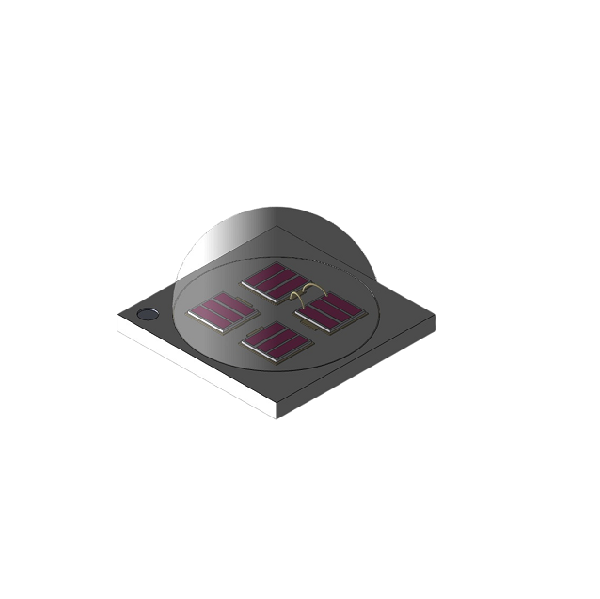
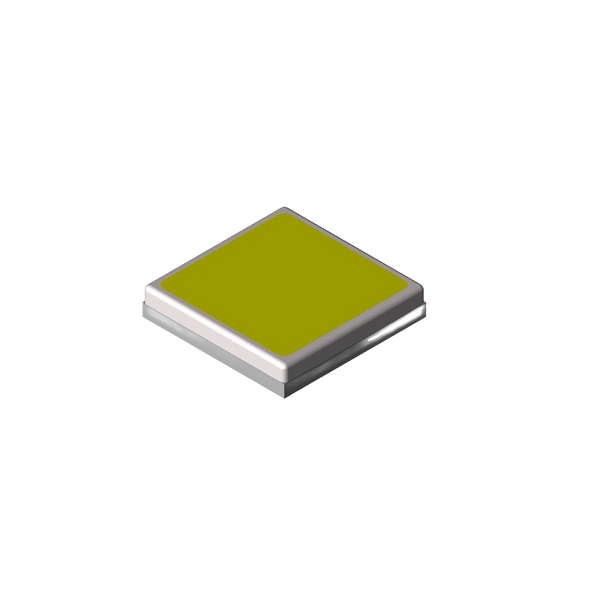
The 3535 Infrared LED is a type of semiconductor device that emits infrared light when an electric current is applied. It is named after its physical dimensions, which are 3.5mm in width and 3.5mm in length, hence the name 3535. These LEDs are designed to emit light in the infrared spectrum, which is not visible to the human eye but can be detected by various sensors and devices.
Features of 3535 Infrared LED
The 3535 Infrared LED boasts several features that make it a preferred choice in various applications:
– Compact Size: The small form factor of the 3535 LED allows for easy integration into compact devices and spaces, making it ideal for space-constrained applications.
– High Efficiency: These LEDs are known for their high efficiency, converting a significant portion of electrical energy into light, resulting in lower power consumption.
– Longevity: With a long lifespan, 3535 Infrared LEDs can withstand continuous operation without significant degradation in performance.
– Wide Viewing Angle: The 3535 LED emits light over a wide angle, ensuring that the infrared signal is detectable from various directions.
– Color Variations: Available in different wavelengths, the 940nm and 870nm are the most common for remote control applications.
Applications of 3535 Infrared LED
The versatility of the 3535 Infrared LED has led to its widespread use in various industries:
– Remote Controls: The 3535 LED is a key component in remote control devices, where it emits infrared signals that are received by the corresponding receiver to perform various functions.
– Security Systems: Infrared sensors using 3535 LEDs are used in security systems to detect movement and trigger alarms or surveillance cameras.
– Medical Devices: These LEDs find applications in medical devices, such as infrared thermometers and diagnostic equipment, where they provide accurate and reliable measurements.
– Consumer Electronics: The compact size and high efficiency of the 3535 LED make it suitable for use in consumer electronics, including gaming consoles, smart TVs, and other entertainment devices.
– Automotive Industry: In the automotive sector, 3535 Infrared LEDs are used in keyless entry systems and rearview cameras.
How 3535 Infrared LED Works
The operation of the 3535 Infrared LED is based on the principle of semiconductor physics. When an electric current is applied to the LED, electrons and holes are excited and recombine within the semiconductor material. This recombination process releases energy in the form of light, which is emitted in the infrared spectrum.
The key components of the 3535 Infrared LED include:
– Active Region: This is where the recombination of electrons and holes occurs, resulting in the emission of infrared light.
– Emitter: The emitter is the surface of the LED where the light is emitted.
– Lead Frame: The lead frame provides electrical connections to the active region and helps in dissipating heat.
– Package: The package encloses the LED and protects it from external elements.
Advantages and Disadvantages of 3535 Infrared LED
While the 3535 Infrared LED offers numerous advantages, it also has some limitations:
– Advantages:
– High efficiency and low power consumption
– Long lifespan and durability
– Compact size and ease of integration
– Wide viewing angle and reliable performance
– Disadvantages:
– Limited brightness compared to other LED types
– Susceptible to interference from ambient light
– Potential for signal degradation over long distances
Future Trends in 3535 Infrared LED Technology
The technology behind 3535 Infrared LEDs is continuously evolving, with several trends shaping the future of this technology:
– Higher Efficiency: Researchers are working on developing new materials and designs to increase the efficiency of 3535 Infrared LEDs, leading to lower power consumption and longer lifespans.
– Improved Stability: Efforts are being made to enhance the stability of these LEDs, making them more reliable in various environmental conditions.
– New Applications: As the technology advances, new applications for 3535 Infrared LEDs are expected to emerge, further expanding their market potential.
In conclusion, the 3535 Infrared LED is a crucial component in the infrared lighting and sensing industry. Its compact size, high efficiency, and versatile applications make it a preferred choice for various devices and systems. As technology continues to advance, the future of the 3535 Infrared LED looks promising, with new innovations and applications on the horizon.
 English
 Afrikaans
 Albanian
 Amharic
 Arabic
 Armenian
 Azerbaijani
 Basque
 Belarusian
 Bengali
 Bosnian
 Bulgarian
 Catalan
 Cebuano
 Chichewa
 Corsican
 Croatian
 Czech
Czech Danish
 Dutch
Dutch Esperanto
 Estonian
 Filipino
 Finnish
 French
 Frisian
 Galician
 Georgian
 German
 Greek
Greek Gujarati
 Haitian Creole
 Hausa
Hausa Hawaiian
 Hebrew
 Hindi
Hindi Hmong
Hmong Hungarian
 Icelandic
 Igbo
Igbo Indonesian
 Irish
Irish Italian
 Japanese
 Javanese
 Kannada
 Kazakh
 Khmer
Khmer Korean
 Kurdish (Kurmanji)
 Kyrgyz
 Lao
Lao Latin
Latin Latvian
 Lithuanian
 Luxembourgish
 Macedonian
 Malagasy
 Malay
Malay Malayalam
 Maltese
 Maori
Maori Marathi
 Mongolian
 Myanmar (Burmese)
 Nepali
 Norwegian
 Pashto
 Persian
 Polish
 Portuguese
 Punjabi
 Romanian
 Russian
 Samoan
 Scottish Gaelic
 Serbian
 Sesotho
 Shona
Shona Sindhi
 Sinhala
 Slovak
 Slovenian
 Somali
 Spanish
 Sudanese
 Swahili
 Swedish
 Tajik
Tajik Tamil
Tamil Telugu
 Thai
Thai Turkish
 Ukrainian
 Urdu
Urdu Uzbek
Uzbek Vietnamese
 Welsh
Welsh Xhosa
Xhosa Yiddish
 Yoruba
 Zulu
Zulu