


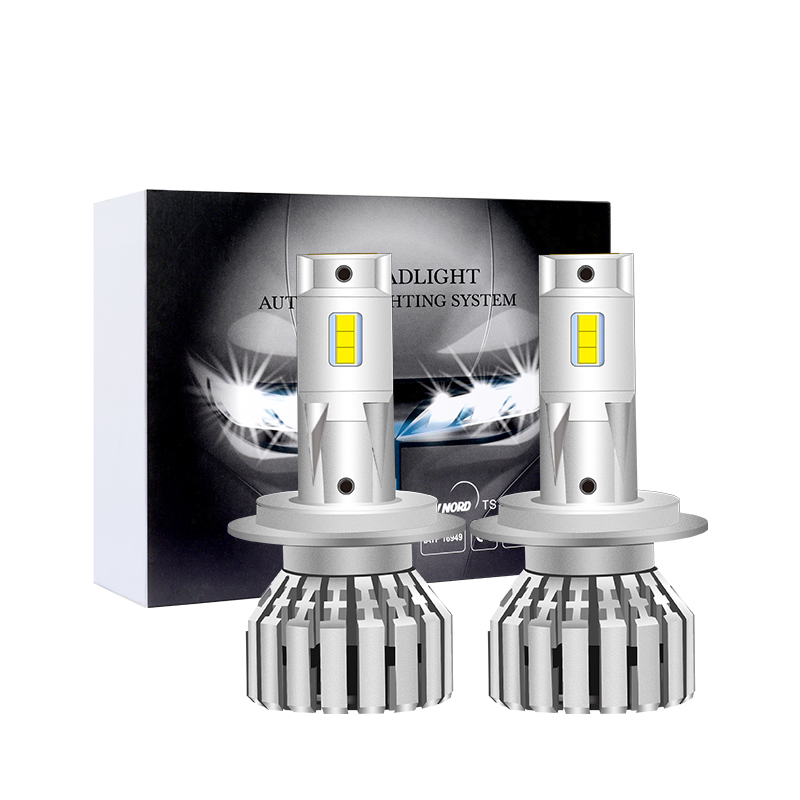
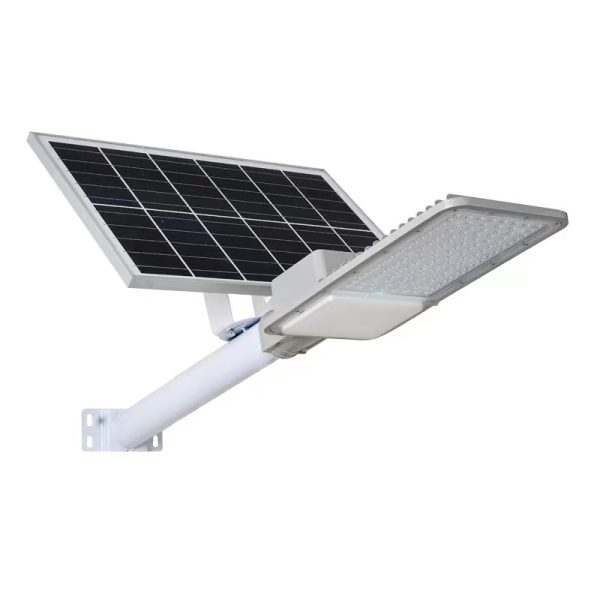
150 mining lamps are a staple in the mining industry, serving as the primary source of illumination in underground mines. These robust and durable lights are designed to withstand harsh conditions and provide miners with the visibility they need to safely navigate through dark, confined spaces. In this article, we will delve into the history, technology, and significance of these essential mining tools, highlighting their role in modern mining operations.
Introduction to Mining Lamps
Mining lamps, also known as miner’s lamps or safety lamps, have been an integral part of mining since the early days of coal mining. The first recorded use of a miner’s lamp dates back to the 16th century, where it was a simple candle held in a wooden box. Over the centuries, these lamps have evolved significantly, with advancements in technology leading to the development of more efficient and safer lighting solutions.
Evolution of Mining Lamps
The evolution of mining lamps can be divided into several key periods. The earliest lamps were simple candles or oil lamps, which provided limited light and posed significant safety risks. As the mining industry grew, so did the need for safer and more reliable lighting sources.
In the 19th century, the invention of the carbide lamp revolutionized mining. These lamps used calcium carbide and water to produce acetylene gas, which was then burned to produce light. The carbide lamp was a significant improvement over previous lighting methods, as it was self-contained and did not require a flame to ignite.
The next major advancement came in the form of the electric miner’s lamp. Introduced in the late 19th century, these lamps used batteries to power an electric light bulb. Electric lamps provided a more consistent and reliable light source, and they were less susceptible to the dangers of open flames.
Today, modern mining lamps are equipped with advanced features such as rechargeable batteries, LED lighting, and digital displays. These lamps are designed to be lightweight, easy to carry, and highly durable, making them an essential tool for miners around the world.
Types of Mining Lamps
There are several types of mining lamps available, each designed for specific mining conditions and tasks. Here are some of the most common types:
1. Carbide Lamps: These lamps are still used in some mines and are known for their simplicity and reliability. They produce light through the reaction of calcium carbide and water.
2. Electric Lamps: Electric lamps are the most common type of mining lamp used today. They come in various sizes and configurations, including headlamps, helmet-mounted lamps, and hand lamps.
3. Headlamps: Headlamps are designed to be worn on the miner’s head, freeing up hands for other tasks. They are ideal for navigating through narrow tunnels and confined spaces.
4. Helmet-Mounted Lamps: Helmet-mounted lamps are attached to the miner’s helmet, providing hands-free lighting. They are often used in conjunction with other mining equipment.
5. Hand Lamps: Hand lamps are portable and can be used for a variety of tasks, including maintenance work and emergency lighting.
Significance of Mining Lamps
Mining lamps are not just a source of light; they are a critical component of mining safety. In underground mines, where visibility is limited, these lamps ensure that miners can see their surroundings and avoid accidents. Additionally, mining lamps help to prevent the buildup of explosive gases by dissipating them through the lamp’s air vents.
The proper use of mining lamps also plays a vital role in maintaining air quality in mines. They help to prevent the accumulation of harmful gases, such as methane, which can lead to explosions and other hazards.
Furthermore, mining lamps contribute to the overall efficiency of mining operations. By providing miners with adequate lighting, these lamps enable them to work more effectively, reducing the time and effort required to complete tasks.
Regulations and Standards
The use of mining lamps is governed by strict regulations and standards to ensure the safety of miners. These regulations vary by country and region, but they generally cover aspects such as lamp design, testing, and maintenance.
In many countries, mining lamps must undergo rigorous testing to meet specific safety requirements. This includes evaluating the lamp’s ability to withstand shock, vibration, and extreme temperatures, as well as its effectiveness in dissipating explosive gases.
Miners are also required to receive training on the proper use and maintenance of mining lamps. This training helps to ensure that miners are aware of the potential hazards associated with their use and can respond appropriately in the event of an emergency.
Conclusion
150 mining lamps may seem like a simple tool, but they are a testament to the ingenuity and dedication of the mining industry. From the humble candle of the 16th century to the advanced LED lamps of today, mining lamps have evolved alongside the industry, providing miners with the light they need to work safely and efficiently. As the mining industry continues to advance, it is likely that mining lamps will continue to evolve, offering even greater safety and efficiency to those who brave the darkness below the surface.
 English
 Afrikaans
 Albanian
 Amharic
 Arabic
 Armenian
 Azerbaijani
 Basque
 Belarusian
 Bengali
 Bosnian
 Bulgarian
 Catalan
 Cebuano
 Chichewa
 Corsican
 Croatian
 Czech
Czech Danish
 Dutch
Dutch Esperanto
 Estonian
 Filipino
 Finnish
 French
 Frisian
 Galician
 Georgian
 German
 Greek
Greek Gujarati
 Haitian Creole
 Hausa
Hausa Hawaiian
 Hebrew
 Hindi
Hindi Hmong
Hmong Hungarian
 Icelandic
 Igbo
Igbo Indonesian
 Irish
Irish Italian
 Japanese
 Javanese
 Kannada
 Kazakh
 Khmer
Khmer Korean
 Kurdish (Kurmanji)
 Kyrgyz
 Lao
Lao Latin
Latin Latvian
 Lithuanian
 Luxembourgish
 Macedonian
 Malagasy
 Malay
Malay Malayalam
 Maltese
 Maori
Maori Marathi
 Mongolian
 Myanmar (Burmese)
 Nepali
 Norwegian
 Pashto
 Persian
 Polish
 Portuguese
 Punjabi
 Romanian
 Russian
 Samoan
 Scottish Gaelic
 Serbian
 Sesotho
 Shona
Shona Sindhi
 Sinhala
 Slovak
 Slovenian
 Somali
 Spanish
 Sudanese
 Swahili
 Swedish
 Tajik
Tajik Tamil
Tamil Telugu
 Thai
Thai Turkish
 Ukrainian
 Urdu
Urdu Uzbek
Uzbek Vietnamese
 Welsh
Welsh Xhosa
Xhosa Yiddish
 Yoruba
 Zulu
Zulu
Explore More from Queendom Lamp
Stay updated with the latest LED technology, lighting solutions, and industry insights.
Request a Quote About Queendom