



What is a 3535 LEDs?
Overview
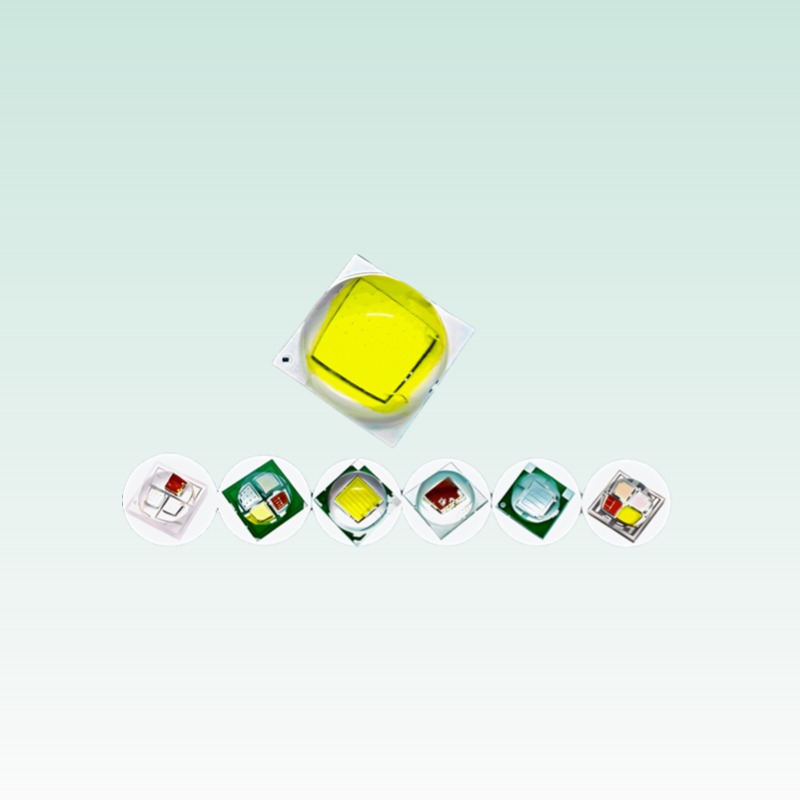
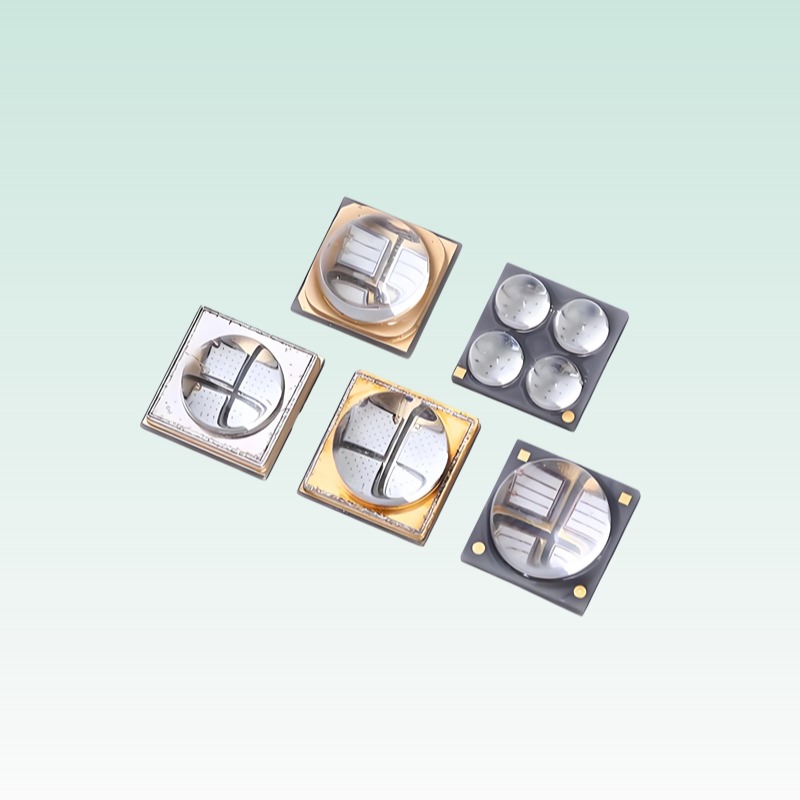
A 3535 LED is a surface-mount LED package measuring 3.5mm × 3.5mm. Known for its compact size, high brightness, and excellent efficiency, it is widely used in indoor/outdoor lighting, automotive lighting, backlighting, and specialty lighting applications. With superior thermal management, high luminous efficacy, and reliability, the 3535 LED has become one of the most popular package formats in modern solid-state lighting.
Types of 3535 LEDs
3535 LEDs can be categorized by their optoelectronic characteristics:
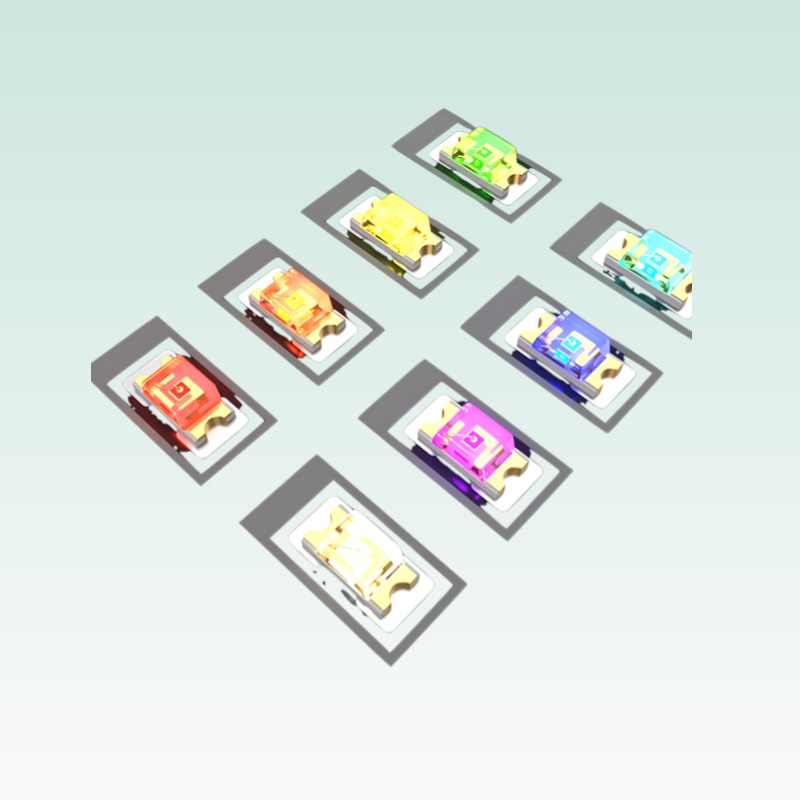
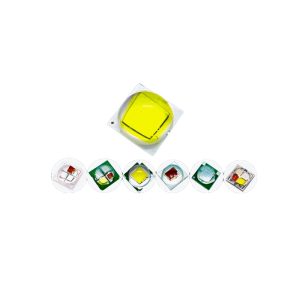
By Color : White (cool/neutral/warm), monochrome (red, green, blue, amber), and RGB full-color
By Power : Low power (0.2–0.5W), medium power (0.5–1W), and high power (1–3W)
By Chip Technology : Standard chip, flip-chip (Flip-Chip), and vertical structure chip
By Application : General lighting, automotive lighting, display backlighting, horticultural lighting, UV/IR LEDs
Performance Characteristics
3535 LEDs Key Performance Metrics
Luminous Efficacy : Typically 120–200 lm/W, with high-end products exceeding 200 lm/W
Color Temperature : Ranges from 2700K to 6500K (white light), with CRI options from 70 to 95+
Thermal Resistance : As low as 2–8 K/W, ensuring excellent heat dissipation
Drive Current : Commonly 150–700 mA, with high-power variants supporting up to 1A+
Lifetime : Up to 50,000–100,000 hours under proper thermal conditions
Design Features
Compact Design : Small footprint enables high-density integration, ideal for slim lighting fixtures
High Reliability : Features silicone encapsulation and gold wire bonding for high-temperature and moisture resistance
Optical Flexibility : Compatible with lenses and reflectors for customized light distribution
Environmental Compliance : Meets international standards such as RoHS and REACH
Comparison with Other LED Packages
Compared to other common SMD LED packages:
2835 LED : Smaller (2.8mm × 3.5mm), lower power, ideal for downlights and light strips
5050 LED : Larger (5.0mm × 5.0mm), commonly used in RGB decorative lighting
5730 LED : Higher power and lumen output, suitable for industrial lighting
The 3535 LED strikes an optimal balance between efficacy, thermal performance, and cost-effectiveness, making it ideal for medium- to high-power applications.
Installation Guidelines
PCB Design : Use aluminum or ceramic substrates for optimal heat dissipation; adhere to recommended pad dimensions
Soldering Process : Reflow soldering recommended, with peak temperature ≤260°C and duration ≤10 seconds
Thermal Management : Ensure proper contact between the LED backside and heatsink; apply thermal paste if necessary
Optical Assembly : Select lenses or reflectors based on light distribution requirements; maintain proper alignment and spacing
Manufacturing Standards
International Standards : IEC 62471 (photobiological safety), IEC 62031 (LED module safety), LM-80 (lumen maintenance testing)
Encapsulation Materials : Silicone/epoxy materials must comply with UL 94 V-0 flammability rating
Photometric Testing : Follow IES LM-79 (photometric testing) and LM-80 (lifetime testing) standards
Environmental Compliance : Meets RoHS, REACH, and lead-free soldering requirements
3535 LEDs Application Prospects
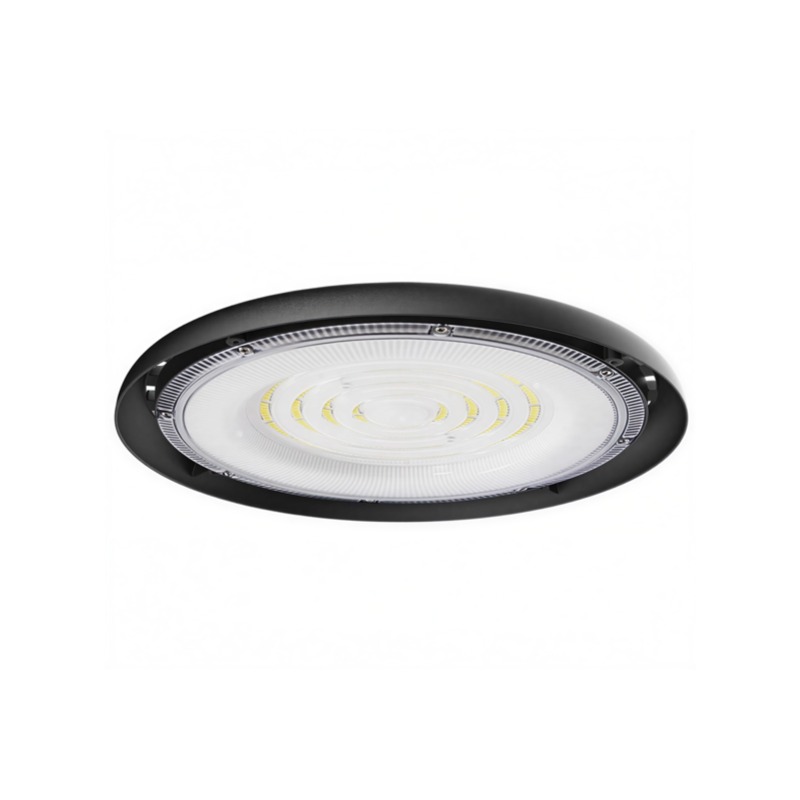
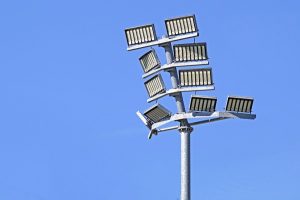
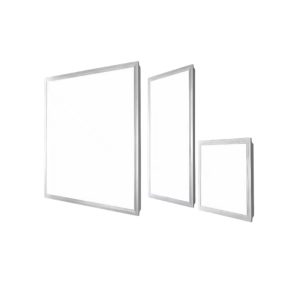
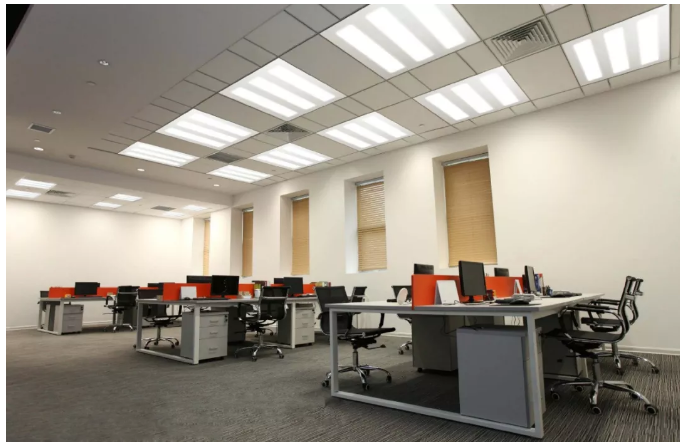
General Lighting : Bulbs, panel lights, high-bay lights, streetlights
Automotive Lighting : Daytime running lights (DRLs), interior lighting, brake lights
Specialty Lighting : Grow lights, UV-C disinfection LEDs, stage lighting
Backlighting : LCD displays, advertising lightboxes, Mini-LED backlighting
With advancements in Micro-LED and smart lighting technologies, 3535 LEDs are expected to evolve further in efficiency, dimming capabilities, and integration.
SMD 3535 LED Package Specifications Selection Criteria
When choosing a 3535 LED, consider:
Optoelectronic Parameters : Luminous flux, color temperature, CRI, forward voltage/current
Thermal Management Metrics : Thermal resistance, maximum junction temperature, heat dissipation recommendations
Supplier Qualifications : Certifications such as ISO 9001, IATF 16949 (automotive)
Cost-Effectiveness : Evaluate based on lumens per dollar and long-term reliability
Market Insights
Price Trends : Declining cost per lumen due to technological advancements and economies of scale
Major Brands : International players (Nichia, Cree, Osram) and Chinese manufacturers (Sanan, NationStar, Hongli)
Regional Markets : Asia-Pacific dominates production and consumption; North America and Europe show strong demand for high-performance and automotive LEDs
Future Drivers : Energy efficiency policies, electric vehicle adoption, and UV-C disinfection demand
Technical Background
The 3535 LED package technology matured around 2010, building on earlier SMD LED designs (e.g., 3014, 3020) with improvements in thermal management and light extraction efficiency. As global carbon neutrality goals advance, high-efficiency LEDs like the 3535 package play a critical role in replacing traditional light sources. For further reading, refer to IEEE and IES publications, as well as technical
| Parameter | Standard 3535 | High Power 3535 | Ceramic 3535 |
|---|---|---|---|
| Power Rating | 0.5-1W | 2-3W | 1-2W |

 English
 Afrikaans
 Albanian
 Amharic
 Arabic
 Armenian
 Azerbaijani
 Basque
 Belarusian
 Bengali
 Bosnian
 Bulgarian
 Catalan
 Cebuano
 Chichewa
 Corsican
 Croatian
 Czech
Czech Danish
 Dutch
Dutch Esperanto
 Estonian
 Filipino
 Finnish
 French
 Frisian
 Galician
 Georgian
 German
 Greek
Greek Gujarati
 Haitian Creole
 Hausa
Hausa Hawaiian
 Hebrew
 Hindi
Hindi Hmong
Hmong Hungarian
 Icelandic
 Igbo
Igbo Indonesian
 Irish
Irish Italian
 Japanese
 Javanese
 Kannada
 Kazakh
 Khmer
Khmer Korean
 Kurdish (Kurmanji)
 Kyrgyz
 Lao
Lao Latin
Latin Latvian
 Lithuanian
 Luxembourgish
 Macedonian
 Malagasy
 Malay
Malay Malayalam
 Maltese
 Maori
Maori Marathi
 Mongolian
 Myanmar (Burmese)
 Nepali
 Norwegian
 Pashto
 Persian
 Polish
 Portuguese
 Punjabi
 Romanian
 Russian
 Samoan
 Scottish Gaelic
 Serbian
 Sesotho
 Shona
Shona Sindhi
 Sinhala
 Slovak
 Slovenian
 Somali
 Spanish
 Sudanese
 Swahili
 Swedish
 Tajik
Tajik Tamil
Tamil Telugu
 Thai
Thai Turkish
 Ukrainian
 Urdu
Urdu Uzbek
Uzbek Vietnamese
 Welsh
Welsh Xhosa
Xhosa Yiddish
 Yoruba
 Zulu
Zulu
Explore More from Queendom Lamp
Stay updated with the latest LED technology, lighting solutions, and industry insights.
Request a Quote About Queendom