

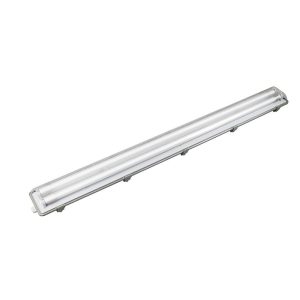
Emergency light tubes, also known as emergency exit lights or exit sign lighting, play a critical role in ensuring the safety of individuals during power outages or emergency situations. These specialized lighting fixtures are designed to provide illumination in dark environments, guiding people to safety exits in buildings. This article delves into the world of emergency light tubes, exploring their history, types, installation, maintenance, and the importance of compliance with safety standards.
History of Emergency Light Tubes
Emergency light tubes have a rich history that dates back to the early 20th century. The concept of emergency lighting was born out of the need for safety in factories and industrial settings where darkness could lead to accidents and injuries. The first emergency lights were simply battery-powered lamps that were mounted on walls or ceilings. Over time, advancements in technology led to the development of more efficient and reliable emergency lighting systems.
In the 1940s, the introduction of the emergency light tube marked a significant milestone in the evolution of emergency lighting. These tubes were designed to be mounted in exit signs and were powered by a battery that could be recharged during normal operation. This innovation provided a more consistent and reliable source of light during emergencies.
Types of Emergency Light Tubes
There are several types of emergency light tubes available in the market, each with its own set of features and benefits. The most common types include:
1. Battery-Powered Emergency Light Tubes: These tubes are powered by a battery that is charged during normal operation. They provide light for a specified duration during power outages, typically 90 minutes.
2. AC/DC Emergency Light Tubes: These tubes can be powered by alternating current (AC) during normal operation and by direct current (DC) from a battery during power outages. They offer the advantage of being able to switch seamlessly between AC and DC power sources.
3. LED Emergency Light Tubes: LED emergency light tubes are known for their energy efficiency and long lifespan. They consume less power than traditional emergency light tubes and can last up to 50,000 hours.
4. Photoluminescent Emergency Light Tubes: These tubes use a chemical reaction to store light and release it slowly over time. They do not require batteries and can provide illumination for several hours after a power outage.
Installation of Emergency Light Tubes
The installation of emergency light tubes is a crucial step in ensuring their effectiveness. Proper installation involves the following steps:
1. Planning and Design: Before installation, it is important to plan the layout of the emergency light tubes in the building. This includes determining the locations of exit signs and identifying the pathways to safety.
2. Electrical Considerations: The electrical system must be evaluated to ensure it can support the emergency lighting system. This may involve installing additional wiring or upgrading the electrical panel.
3. Mounting the Tubes: Emergency light tubes are typically mounted in exit signs or directly onto walls or ceilings. They must be securely fastened to prevent damage during an emergency.
4. Testing: After installation, the emergency light tubes should be tested to ensure they are functioning correctly. This includes checking the brightness, duration of illumination, and battery charge.
Maintenance of Emergency Light Tubes
Regular maintenance is essential for the proper functioning of emergency light tubes. The following maintenance tasks should be performed:
1. Battery Testing: Batteries should be tested periodically to ensure they are fully charged and capable of providing the required illumination during an emergency.
2. Light Output Testing: The light output of emergency light tubes should be checked to ensure it meets the required standards.
3. Physical Inspection: The physical condition of emergency light tubes should be inspected for any signs of damage or wear that could affect their performance.
4. Replacement: Emergency light tubes that are no longer functioning properly should be replaced immediately to maintain safety.
Importance of Compliance with Safety Standards
Compliance with safety standards is paramount in the emergency lighting industry. These standards ensure that emergency light tubes meet certain performance criteria and provide the necessary level of safety in emergency situations. Key standards include:
1. UL (Underwriters Laboratories): UL is a recognized safety organization that certifies emergency lighting products to meet specific safety requirements.
2. NFPA (National Fire Protection Association): NFPA 101, Life Safety Code, provides guidelines for the design, installation, and maintenance of emergency lighting systems.
3. IEC (International Electrotechnical Commission): IEC standards provide a global reference for emergency lighting products and systems.
In conclusion, emergency light tubes are essential components of building safety systems. Their history, types, installation, maintenance, and compliance with safety standards are all integral to ensuring that individuals can safely navigate their way to exit points during emergencies. As technology continues to advance, emergency lighting systems will likely become even more sophisticated, providing even greater safety and peace of mind for building occupants.
 English
 Afrikaans
 Albanian
 Amharic
 Arabic
 Armenian
 Azerbaijani
 Basque
 Belarusian
 Bengali
 Bosnian
 Bulgarian
 Catalan
 Cebuano
 Chichewa
 Corsican
 Croatian
 Czech
Czech Danish
 Dutch
Dutch Esperanto
 Estonian
 Filipino
 Finnish
 French
 Frisian
 Galician
 Georgian
 German
 Greek
Greek Gujarati
 Haitian Creole
 Hausa
Hausa Hawaiian
 Hebrew
 Hindi
Hindi Hmong
Hmong Hungarian
 Icelandic
 Igbo
Igbo Indonesian
 Irish
Irish Italian
 Japanese
 Javanese
 Kannada
 Kazakh
 Khmer
Khmer Korean
 Kurdish (Kurmanji)
 Kyrgyz
 Lao
Lao Latin
Latin Latvian
 Lithuanian
 Luxembourgish
 Macedonian
 Malagasy
 Malay
Malay Malayalam
 Maltese
 Maori
Maori Marathi
 Mongolian
 Myanmar (Burmese)
 Nepali
 Norwegian
 Pashto
 Persian
 Polish
 Portuguese
 Punjabi
 Romanian
 Russian
 Samoan
 Scottish Gaelic
 Serbian
 Sesotho
 Shona
Shona Sindhi
 Sinhala
 Slovak
 Slovenian
 Somali
 Spanish
 Sudanese
 Swahili
 Swedish
 Tajik
Tajik Tamil
Tamil Telugu
 Thai
Thai Turkish
 Ukrainian
 Urdu
Urdu Uzbek
Uzbek Vietnamese
 Welsh
Welsh Xhosa
Xhosa Yiddish
 Yoruba
 Zulu
Zulu
Explore More from Queendom Lamp
Stay updated with the latest LED technology, lighting solutions, and industry insights.
Request a Quote About Queendom