
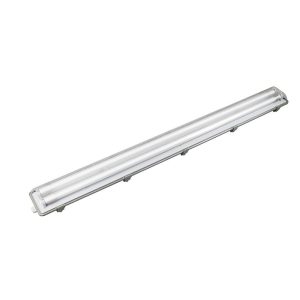
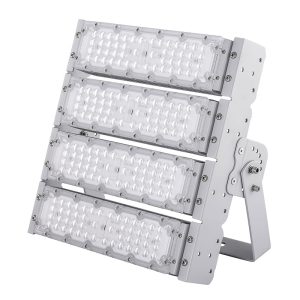
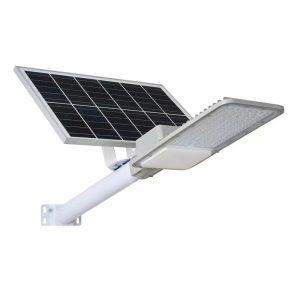
Emergency ceiling lamp manufacturers play a crucial role in ensuring safety and providing illumination during power outages or emergencies. These specialized lighting fixtures are designed to be quickly accessible and to provide sufficient light to navigate through dark spaces safely. This article delves into the world of emergency ceiling lamp manufacturers, exploring their significance, the technology behind their products, and the diverse applications they serve.
Importance of Emergency Ceiling Lamps
Emergency ceiling lamps are essential for both residential and commercial buildings. They serve several key purposes:
1. Safety: In the event of a power failure, emergency ceiling lamps can illuminate dark areas, preventing accidents and injuries.
2. Navigation: During emergencies, these lamps help individuals find their way to safety or exit points.
3. First Response: Emergency services such as firefighters and medical personnel rely on these lamps to perform their duties effectively in low-light conditions.
Market Overview
The emergency ceiling lamp market has been witnessing steady growth due to increasing awareness about safety and the need for reliable emergency lighting solutions. The market is segmented based on product type, application, and geographic region.
1. Product Type: Emergency ceiling lamps come in various types, including battery-powered, AC-powered, and solar-powered. Each type has its advantages and is suitable for different environments.
2. Application: The market is diverse, catering to residential, commercial, industrial, and institutional settings. Hospitals, schools, offices, and public buildings are some of the key application areas.
3. Geographic Region: The market is primarily driven by regions with stringent safety regulations and high demand for emergency lighting solutions, such as North America, Europe, and Asia Pacific.
Technology and Innovation
Emergency ceiling lamp manufacturers are constantly innovating to improve the performance and reliability of their products. Some of the latest technological advancements include:
1. Energy Efficiency: Manufacturers are focusing on developing lamps with higher energy efficiency to reduce operational costs and extend battery life.
2. Longevity: Advanced materials and design are being used to enhance the longevity of emergency ceiling lamps, ensuring they remain functional during extended power outages.
3. Smart Integration: Some lamps are being equipped with smart features, such as remote monitoring and control, to provide better management and maintenance of emergency lighting systems.
Regulatory Compliance
Emergency ceiling lamp manufacturers must adhere to various international and regional safety standards to ensure the quality and reliability of their products. These standards include:
1. IEC 60598: International Standard for Lamps and Luminaires.
2. UL Standards: Underwriters Laboratories standards for safety.
3. CE Marking: Conformité Européenne marking for products sold in the European Union.
Supply Chain and Distribution
The supply chain for emergency ceiling lamps involves several stages, including raw material procurement, manufacturing, quality control, and distribution. Key players in the supply chain include:
1. Raw Material Suppliers: Manufacturers source materials such as plastic, metal, and batteries from various suppliers.
2. Manufacturers: These companies produce the lamps in accordance with industry standards and specifications.
3. Quality Control: Quality control processes ensure that the lamps meet the required safety and performance criteria.
4. Distributors and Retailers: Distributors and retailers play a crucial role in making emergency ceiling lamps available to end-users.
Competitive Landscape
The emergency ceiling lamp market is highly competitive, with numerous manufacturers vying for market share. Key players focus on factors such as product innovation, pricing, and distribution networks to gain a competitive edge. Some of the leading manufacturers include:
1. ABC Emergency Lighting Solutions: A well-established company known for its wide range of emergency lighting products.
2. XYZ Lighting Technologies: A market leader in smart emergency lighting solutions.
3. DEF Safety Systems: Specializes in high-quality emergency ceiling lamps for industrial applications.
Future Outlook
The future of the emergency ceiling lamp market looks promising, driven by increasing safety concerns and technological advancements. Some emerging trends include:
1. Integration with Smart Home Systems: Emergency ceiling lamps are expected to become part of smart home ecosystems, providing seamless integration and control.
2. Renewable Energy: The growing emphasis on sustainability may lead to an increase in solar-powered emergency lighting solutions.
3. Customization: Manufacturers may offer more customized solutions to cater to specific industry needs.
In conclusion, emergency ceiling lamp manufacturers are at the forefront of ensuring safety and providing illumination during emergencies. As technology continues to evolve, these manufacturers will play a vital role in shaping the future of emergency lighting solutions.
 English
 Afrikaans
 Albanian
 Amharic
 Arabic
 Armenian
 Azerbaijani
 Basque
 Belarusian
 Bengali
 Bosnian
 Bulgarian
 Catalan
 Cebuano
 Chichewa
 Corsican
 Croatian
 Czech
Czech Danish
 Dutch
Dutch Esperanto
 Estonian
 Filipino
 Finnish
 French
 Frisian
 Galician
 Georgian
 German
 Greek
Greek Gujarati
 Haitian Creole
 Hausa
Hausa Hawaiian
 Hebrew
 Hindi
Hindi Hmong
Hmong Hungarian
 Icelandic
 Igbo
Igbo Indonesian
 Irish
Irish Italian
 Japanese
 Javanese
 Kannada
 Kazakh
 Khmer
Khmer Korean
 Kurdish (Kurmanji)
 Kyrgyz
 Lao
Lao Latin
Latin Latvian
 Lithuanian
 Luxembourgish
 Macedonian
 Malagasy
 Malay
Malay Malayalam
 Maltese
 Maori
Maori Marathi
 Mongolian
 Myanmar (Burmese)
 Nepali
 Norwegian
 Pashto
 Persian
 Polish
 Portuguese
 Punjabi
 Romanian
 Russian
 Samoan
 Scottish Gaelic
 Serbian
 Sesotho
 Shona
Shona Sindhi
 Sinhala
 Slovak
 Slovenian
 Somali
 Spanish
 Sudanese
 Swahili
 Swedish
 Tajik
Tajik Tamil
Tamil Telugu
 Thai
Thai Turkish
 Ukrainian
 Urdu
Urdu Uzbek
Uzbek Vietnamese
 Welsh
Welsh Xhosa
Xhosa Yiddish
 Yoruba
 Zulu
Zulu
Explore More from Queendom Lamp
Stay updated with the latest LED technology, lighting solutions, and industry insights.
Request a Quote About Queendom