







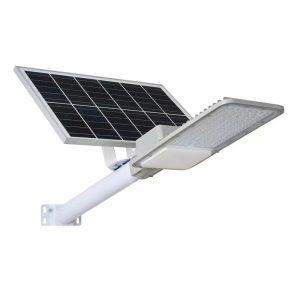
As technology continues to advance, the integration of sensors and LED panels has led to the development of innovative sensor LED panels. These panels combine the functionality of sensors with the brightness and versatility of LED lighting, making them a popular choice in various industries. This article provides an in-depth introduction to the sensor LED panel industry, exploring its evolution, applications, benefits, and future prospects.
Introduction to Sensor LED Panels
Sensor LED panels are a type of lighting system that incorporates sensors to detect environmental conditions or human presence. These sensors can be touch, motion, or light-sensitive, and they enable the LED panels to adjust their brightness, color, or operation based on the detected inputs. This intelligent lighting solution offers enhanced energy efficiency, improved user experience, and greater control over the lighting environment.
Evolution of Sensor LED Panels
The concept of sensor LED panels has evolved over the years, starting with simple motion-sensing lights that turned on when someone entered a room. As technology progressed, more sophisticated sensors were developed, allowing for greater control and customization of the lighting system. Today, sensor LED panels are available in various designs, with different types of sensors and features, catering to a wide range of applications.
Types of Sensors Used in Sensor LED Panels
Several types of sensors are commonly used in sensor LED panels, each serving a specific purpose:
– Motion Sensors: These sensors detect movement within a certain range and can be used to turn on or off the LED lights when motion is detected.
– Touch Sensors: Touch sensors allow users to control the lighting system by simply touching the panel or its surrounding area.
– Light Sensors: Light sensors detect the ambient light levels and adjust the LED panel’s brightness accordingly, saving energy when natural light is available.
– Temperature Sensors: Temperature sensors can be used to control the LED panel’s operation based on the surrounding temperature, ensuring optimal performance and energy efficiency.
Applications of Sensor LED Panels
Sensor LED panels have found applications in various industries and settings, including:
– Commercial Buildings: Office buildings, shopping centers, and hotels can benefit from energy-efficient lighting solutions that reduce energy consumption and maintenance costs.
– Residential Settings: Smart homes equipped with sensor LED panels offer convenience and improved energy management.
– Indoor and Outdoor Lighting: Sensor LED panels are used in streetlights, pathway lighting, and garden lighting, providing safety and ambiance.
– Industrial Environments: Factories and warehouses can use sensor LED panels to enhance productivity and ensure optimal working conditions.
– Healthcare Facilities: Hospitals and clinics can benefit from sensor LED panels in patient rooms and corridors, creating a comfortable and energy-efficient environment.
Benefits of Sensor LED Panels
Sensor LED panels offer several advantages over traditional lighting systems:
– Energy Efficiency: By adjusting the brightness based on environmental conditions or human presence, sensor LED panels can significantly reduce energy consumption.
– Cost Savings: The reduced energy consumption leads to lower electricity bills and reduced maintenance costs.
– Customization: Users can customize the lighting experience to suit their preferences and needs.
– Enhanced Safety: Sensor LED panels can be used to illuminate dark areas, reducing the risk of accidents and enhancing security.
– Environmental Impact: The energy-efficient nature of sensor LED panels contributes to a reduced carbon footprint and a more sustainable future.
Future Prospects of Sensor LED Panels
The sensor LED panel industry is expected to continue growing, driven by advancements in sensor technology, increased demand for energy-efficient solutions, and the integration of smart home and building automation systems. Some future trends include:
– Integration with IoT: Sensor LED panels will likely become part of the Internet of Things (IoT), allowing for greater connectivity and control over lighting systems.
– Customizable Sensing Capabilities: New sensors will be developed to detect a wider range of environmental factors, providing even more control over the lighting experience.
– Increased Smart Features: Sensor LED panels will incorporate additional smart features, such as voice control and energy monitoring, further enhancing user convenience and energy efficiency.
In conclusion, sensor LED panels have become an integral part of modern lighting solutions, offering a blend of functionality, energy efficiency, and user convenience. As technology continues to evolve, the sensor LED panel industry is poised to expand its applications and contribute to a more sustainable and connected future.
 English
 Afrikaans
 Albanian
 Amharic
 Arabic
 Armenian
 Azerbaijani
 Basque
 Belarusian
 Bengali
 Bosnian
 Bulgarian
 Catalan
 Cebuano
 Chichewa
 Corsican
 Croatian
 Czech
Czech Danish
 Dutch
Dutch Esperanto
 Estonian
 Filipino
 Finnish
 French
 Frisian
 Galician
 Georgian
 German
 Greek
Greek Gujarati
 Haitian Creole
 Hausa
Hausa Hawaiian
 Hebrew
 Hindi
Hindi Hmong
Hmong Hungarian
 Icelandic
 Igbo
Igbo Indonesian
 Irish
Irish Italian
 Japanese
 Javanese
 Kannada
 Kazakh
 Khmer
Khmer Korean
 Kurdish (Kurmanji)
 Kyrgyz
 Lao
Lao Latin
Latin Latvian
 Lithuanian
 Luxembourgish
 Macedonian
 Malagasy
 Malay
Malay Malayalam
 Maltese
 Maori
Maori Marathi
 Mongolian
 Myanmar (Burmese)
 Nepali
 Norwegian
 Pashto
 Persian
 Polish
 Portuguese
 Punjabi
 Romanian
 Russian
 Samoan
 Scottish Gaelic
 Serbian
 Sesotho
 Shona
Shona Sindhi
 Sinhala
 Slovak
 Slovenian
 Somali
 Spanish
 Sudanese
 Swahili
 Swedish
 Tajik
Tajik Tamil
Tamil Telugu
 Thai
Thai Turkish
 Ukrainian
 Urdu
Urdu Uzbek
Uzbek Vietnamese
 Welsh
Welsh Xhosa
Xhosa Yiddish
 Yoruba
 Zulu
Zulu
Explore More from Queendom Lamp
Stay updated with the latest LED technology, lighting solutions, and industry insights.
Request a Quote About Queendom