

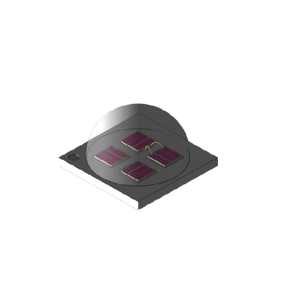
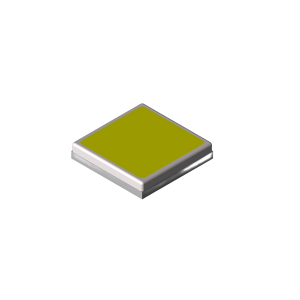

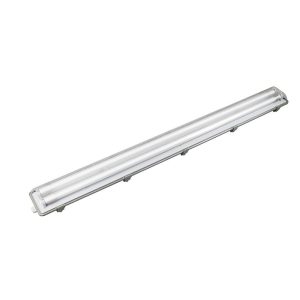
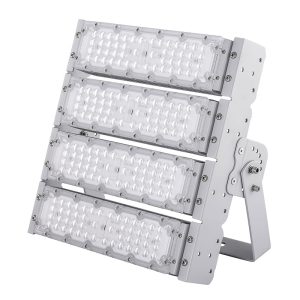
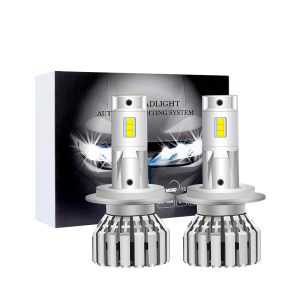
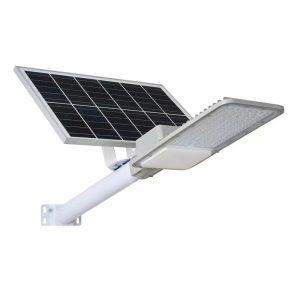
Flat induction lamp, also known as a flat-panel induction lamp, is a cutting-edge lighting technology that has gained significant attention in recent years. This innovative lighting solution offers numerous advantages over traditional lighting methods, making it a popular choice for various applications. In this article, we will explore the concept, technology, applications, and future prospects of flat induction lamps.
Introduction to Flat Induction Lamp
Flat induction lamps are designed with a unique flat-panel structure, which differs from the traditional cylindrical or tubular lamps. These lamps utilize electromagnetic induction to generate light, eliminating the need for filaments or electrodes. The absence of these components results in a longer lifespan, lower energy consumption, and improved safety compared to traditional lighting solutions.
How Flat Induction Lamps Work
The working principle of flat induction lamps is based on electromagnetic induction. When an alternating current passes through the induction coil, it generates a changing magnetic field. This magnetic field induces an electric current in the conductive material of the lamp, which in turn produces light through the process of luminescence.
The lamp consists of a flat glass panel, a conductive layer, and an induction coil. The conductive layer is coated on the glass panel, and the induction coil is placed on top of it. When the lamp is powered on, the alternating current flows through the coil, creating a magnetic field that induces an electric current in the conductive layer. This electric current excites the atoms in the conductive layer, causing them to emit light.
Advantages of Flat Induction Lamps
Flat induction lamps offer several advantages over traditional lighting solutions:
1. Energy Efficiency: Flat induction lamps consume significantly less energy than traditional incandescent, fluorescent, or halogen lamps. This not only reduces electricity bills but also contributes to a greener environment.
2. Long Lifespan: The absence of filaments or electrodes means that flat induction lamps have a longer lifespan, typically ranging from 20,000 to 50,000 hours.
3. Safety: Flat induction lamps do not generate heat like traditional lamps, making them safer to use in environments where heat can be a concern.
4. Instant On: Flat induction lamps provide instant lighting with no warm-up time, making them ideal for applications where quick illumination is required.
5. Uniform Light Distribution: The flat-panel design of these lamps ensures a uniform distribution of light, reducing shadows and glare.
Applications of Flat Induction Lamps
Flat induction lamps are suitable for a wide range of applications, including:
1. Industrial Lighting: Flat induction lamps are ideal for industrial environments, such as factories, warehouses, and workshops, due to their energy efficiency, long lifespan, and safety features.
2. Commercial Lighting: These lamps are also suitable for commercial applications, such as office buildings, shopping centers, and hotels, as they provide a bright, uniform light distribution.
3. Residential Lighting: Flat induction lamps can be used in residential settings, such as living rooms, kitchens, and bathrooms, to create a warm and inviting atmosphere.
4. Outdoor Lighting: These lamps are suitable for outdoor applications, such as street lighting, parking lots, and garden lighting, due to their durability and energy efficiency.
5. Specialized Lighting: Flat induction lamps can be used in specialized applications, such as medical equipment, automotive lighting, and aerospace components, due to their unique properties.
Market Trends and Future Prospects
The flat induction lamp market is expected to grow at a significant rate in the coming years, driven by factors such as increasing energy costs, environmental concerns, and technological advancements. As awareness of energy-efficient lighting solutions continues to rise, the demand for flat induction lamps is likely to increase.
Several trends are shaping the future of the flat induction lamp market:
1. Integration with Smart Lighting Systems: Flat induction lamps are increasingly being integrated with smart lighting systems, allowing for better control and management of lighting.
2. Development of New Materials: Researchers are working on developing new materials for the conductive layer and glass panel, which could improve the efficiency and lifespan of flat induction lamps.
3. Expansion into New Markets: As the technology becomes more mature, flat induction lamps are expected to enter new markets, such as transportation and healthcare.
In conclusion, flat induction lamps represent a promising and innovative lighting solution with numerous advantages over traditional lighting methods. As the market continues to grow, these lamps are likely to become an integral part of the lighting industry in the coming years.
 English
 Afrikaans
 Albanian
 Amharic
 Arabic
 Armenian
 Azerbaijani
 Basque
 Belarusian
 Bengali
 Bosnian
 Bulgarian
 Catalan
 Cebuano
 Chichewa
 Corsican
 Croatian
 Czech
Czech Danish
 Dutch
Dutch Esperanto
 Estonian
 Filipino
 Finnish
 French
 Frisian
 Galician
 Georgian
 German
 Greek
Greek Gujarati
 Haitian Creole
 Hausa
Hausa Hawaiian
 Hebrew
 Hindi
Hindi Hmong
Hmong Hungarian
 Icelandic
 Igbo
Igbo Indonesian
 Irish
Irish Italian
 Japanese
 Javanese
 Kannada
 Kazakh
 Khmer
Khmer Korean
 Kurdish (Kurmanji)
 Kyrgyz
 Lao
Lao Latin
Latin Latvian
 Lithuanian
 Luxembourgish
 Macedonian
 Malagasy
 Malay
Malay Malayalam
 Maltese
 Maori
Maori Marathi
 Mongolian
 Myanmar (Burmese)
 Nepali
 Norwegian
 Pashto
 Persian
 Polish
 Portuguese
 Punjabi
 Romanian
 Russian
 Samoan
 Scottish Gaelic
 Serbian
 Sesotho
 Shona
Shona Sindhi
 Sinhala
 Slovak
 Slovenian
 Somali
 Spanish
 Sudanese
 Swahili
 Swedish
 Tajik
Tajik Tamil
Tamil Telugu
 Thai
Thai Turkish
 Ukrainian
 Urdu
Urdu Uzbek
Uzbek Vietnamese
 Welsh
Welsh Xhosa
Xhosa Yiddish
 Yoruba
 Zulu
Zulu
Explore More from Queendom Lamp
Stay updated with the latest LED technology, lighting solutions, and industry insights.
Request a Quote About Queendom