







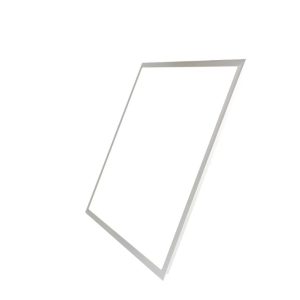
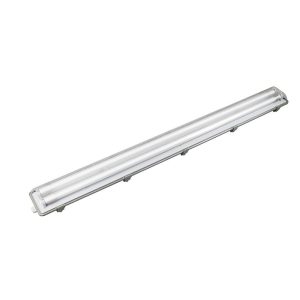
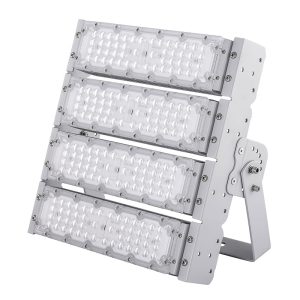


High current LEDs, or Light Emitting Diodes, have revolutionized the lighting industry with their efficiency, versatility, and longevity. These advanced lighting solutions have become increasingly popular in various applications, from street lighting to home decor. This article delves into the world of high current LEDs, exploring their technology, benefits, applications, and future prospects.
Introduction to High Current LEDs
High current LEDs are designed to handle higher power inputs compared to traditional LEDs. They can emit more light and are suitable for applications that require intense illumination. Unlike low current LEDs, which typically operate at currents of 20mA or less, high current LEDs can operate at currents ranging from 30mA to several amperes. This increased current allows for a brighter output while maintaining the efficiency and lifespan of the LED.
How High Current LEDs Work
High current LEDs function on the same principle as standard LEDs, but with a few key differences. They are made of a semiconductor material that emits light when an electric current passes through it. In high current LEDs, the semiconductor material is engineered to handle higher currents without overheating or degrading in performance.
The key components of a high current LED include:
– Semiconductor material: Typically, gallium nitride (GaN) or silicon carbide (SiC) is used for their high thermal conductivity and ability to emit light efficiently.
– Phosphor coating: This layer converts the blue light emitted by the LED to a broader spectrum, producing white light.
– Encapsulation: The LED is enclosed in a protective material to prevent damage and enhance light output.
Benefits of High Current LEDs
The adoption of high current LEDs in various industries is driven by several benefits:
1. Energy Efficiency: High current LEDs consume significantly less energy than traditional lighting sources, such as incandescent bulbs or halogen lamps. This not only reduces energy costs but also contributes to a lower carbon footprint.
2. Longevity: High current LEDs have a longer lifespan compared to traditional lighting sources. They can last up to 50,000 hours or more, reducing the frequency of replacements and maintenance.
3. Versatility: High current LEDs come in various colors, intensities, and beam angles, making them suitable for a wide range of applications, from general lighting to specialized industrial uses.
4. Environmental Benefits: The lower energy consumption and longer lifespan of high current LEDs contribute to a reduction in waste and environmental impact.
Applications of High Current LEDs
High current LEDs are used in numerous applications across various industries:
1. Street Lighting: High current LEDs are increasingly replacing traditional street lights due to their energy efficiency and long lifespan. They can provide brighter, more uniform lighting, improving visibility and safety.
2. Automotive Lighting: High current LEDs are used in automotive lighting, including headlights, taillights, and brake lights. They offer a brighter, more focused beam and can be designed to be more energy-efficient.
3. Industrial Lighting: High current LEDs are used in industrial settings for task lighting, security lighting, and machinery illumination. Their durability and efficiency make them ideal for harsh environments.
4. Home and Commercial Lighting: High current LEDs are popular in residential and commercial lighting fixtures, including ceiling lights, under-cabinet lighting, and wall washers.
5. Specialized Lighting: High current LEDs are used in specialized lighting applications, such as architectural lighting, stage lighting, and horticultural lighting.
Challenges and Future Prospects
While high current LEDs offer numerous benefits, there are challenges that need to be addressed:
1. Heat Management: High current LEDs generate more heat, which can affect their performance and lifespan. Effective thermal management is crucial for optimal operation.
2. Cost: High current LEDs can be more expensive than traditional lighting sources, although costs have been decreasing as technology advances.
3. Color Rendering: Some high current LEDs may have limitations in color rendering, which can be a concern for applications that require accurate color representation.
Looking ahead, the future of high current LEDs looks promising. Continuous research and development are focused on improving thermal management, reducing costs, and enhancing color rendering. As technology advances, high current LEDs are expected to become even more efficient, versatile, and cost-effective, further solidifying their position as the preferred lighting solution for a wide range of applications.
Explore More from Queendom Lamp
Stay updated with the latest LED technology, lighting solutions, and industry insights.
Request a Quote About Queendom