





Professional plant light, also known as horticultural lighting, plays a crucial role in the growth and development of plants, especially in controlled environments such as greenhouses, vertical farms, and indoor gardens. This article delves into the world of professional plant light, exploring its importance, types, applications, and the future trends in this rapidly evolving industry.
Importance of Professional Plant Light
Professional plant light is essential for the successful cultivation of plants in environments where natural sunlight is limited or unavailable. It provides the necessary light spectrum and intensity to support photosynthesis, the process by which plants convert light energy into chemical energy. This not only ensures healthy plant growth but also maximizes yield and quality in agricultural and horticultural settings.
Types of Professional Plant Light
There are several types of professional plant light available, each with its unique characteristics and applications:
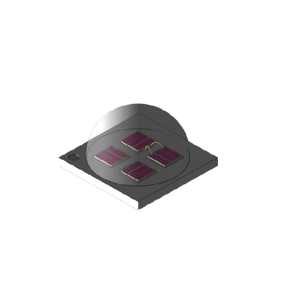
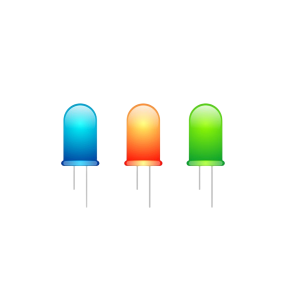
- LED Grow Lights: These are the most popular type of professional plant light due to their energy efficiency, long lifespan, and ability to emit a full spectrum of light. LED grow lights come in various color temperatures, including red, blue, and white, which can be mixed to create the optimal light spectrum for different plant stages.
- HPS (High-Pressure Sodium) Lights: Known for their intense light output and effectiveness in promoting flowering and fruiting, HPS lights are commonly used in the later stages of plant growth. They emit a strong, warm light that is ideal for flowering plants and fruiting vegetables.
- MH (Metal Halide) Lights: MH lights are often used in the early stages of plant growth due to their ability to stimulate vegetative growth. They emit a bright, white light that is rich in blue and purple wavelengths, which are beneficial for leafy greens and herbs.
- CFL (Compact Fluorescent Lights): CFLs are a more energy-efficient alternative to traditional HID (High-Intensity Discharge) lights. They are suitable for small-scale indoor gardening and are often used as supplemental lighting.
Applications of Professional Plant Light
Professional plant light is used in a variety of applications across different industries:
- Greenhouses: Greenhouses are designed to maximize plant growth by controlling the environment, and professional plant light is a key component in achieving this. It allows for year-round cultivation of a wide range of plants, regardless of the outdoor climate.
- Vertical Farms: Vertical farming is an innovative approach to agriculture that stacks plants in vertical layers, significantly reducing land use. Professional plant light is essential in these settings to ensure optimal growth conditions for the plants.
- Indoor Gardening: For those who lack access to natural sunlight or prefer to grow plants indoors, professional plant light provides the necessary light to support plant growth.
- Agricultural Research: Professional plant light is used in research facilities to study the effects of different light spectra and intensities on plant growth and development.
Technology and Innovation
The technology behind professional plant light is constantly evolving, with new innovations aimed at improving efficiency, reducing costs, and enhancing plant growth. Some of the latest trends include:
- Customizable Light Spectra: Advanced LED grow lights can now be customized to emit specific wavelengths that are most beneficial for different plant species and growth stages.
- Smart Lighting Systems: Integration of IoT (Internet of Things) technology allows for the remote control and monitoring of lighting systems, ensuring optimal conditions for plant growth.
- Energy Efficiency: Continuous advancements in LED technology are making grow lights more energy-efficient, reducing operational costs for farmers and gardeners.
Future Trends
As the demand for sustainable and efficient agriculture grows, the future of professional plant light looks promising. Some of the potential trends include:
- Integration with AI: AI-driven systems could optimize lighting schedules and conditions based on real-time data, further improving plant growth and yield.
- Miniaturization: Smaller, more compact grow lights will make it easier to implement professional plant light in a variety of settings, including urban environments.
- Cost Reduction: As technology continues to improve, the cost of professional plant light is expected to decrease, making it more accessible to a wider range of users.
In conclusion, professional plant light is a vital tool in modern horticulture and agriculture. Its ability to support plant growth in controlled environments has revolutionized the way we produce food and cultivate plants. As technology advances and new innovations emerge, the future of professional plant light looks bright, with even greater potential to enhance our ability to grow healthy, nutritious plants efficiently and sustainably.
 English
 Afrikaans
 Albanian
 Amharic
 Arabic
 Armenian
 Azerbaijani
 Basque
 Belarusian
 Bengali
 Bosnian
 Bulgarian
 Catalan
 Cebuano
 Chichewa
 Corsican
 Croatian
 Czech
Czech Danish
 Dutch
Dutch Esperanto
 Estonian
 Filipino
 Finnish
 French
 Frisian
 Galician
 Georgian
 German
 Greek
Greek Gujarati
 Haitian Creole
 Hausa
Hausa Hawaiian
 Hebrew
 Hindi
Hindi Hmong
Hmong Hungarian
 Icelandic
 Igbo
Igbo Indonesian
 Irish
Irish Italian
 Japanese
 Javanese
 Kannada
 Kazakh
 Khmer
Khmer Korean
 Kurdish (Kurmanji)
 Kyrgyz
 Lao
Lao Latin
Latin Latvian
 Lithuanian
 Luxembourgish
 Macedonian
 Malagasy
 Malay
Malay Malayalam
 Maltese
 Maori
Maori Marathi
 Mongolian
 Myanmar (Burmese)
 Nepali
 Norwegian
 Pashto
 Persian
 Polish
 Portuguese
 Punjabi
 Romanian
 Russian
 Samoan
 Scottish Gaelic
 Serbian
 Sesotho
 Shona
Shona Sindhi
 Sinhala
 Slovak
 Slovenian
 Somali
 Spanish
 Sudanese
 Swahili
 Swedish
 Tajik
Tajik Tamil
Tamil Telugu
 Thai
Thai Turkish
 Ukrainian
 Urdu
Urdu Uzbek
Uzbek Vietnamese
 Welsh
Welsh Xhosa
Xhosa Yiddish
 Yoruba
 Zulu
Zulu
Explore More from Queendom Lamp
Stay updated with the latest LED technology, lighting solutions, and industry insights.
Request a Quote About Queendom