



PCR instrument LEDs specification classification
The specification classification of the light-emitting diode (LED) light source in the PCR instrument can be mainly considered from the following aspects:
1. Wavelength specification
The wavelength of the LED light source is one of its most core specifications, because different fluorescent probes require light of different wavelengths for excitation. In the PCR instrument, common LED light source wavelengths include but are not limited to the following:
405nm: Suitable for the excitation of certain specific fluorescent probes.
470nm: Commonly used for the excitation of blue fluorescent probes.
525nm: Suitable for the excitation of green fluorescent probes.
Typical wavelength:
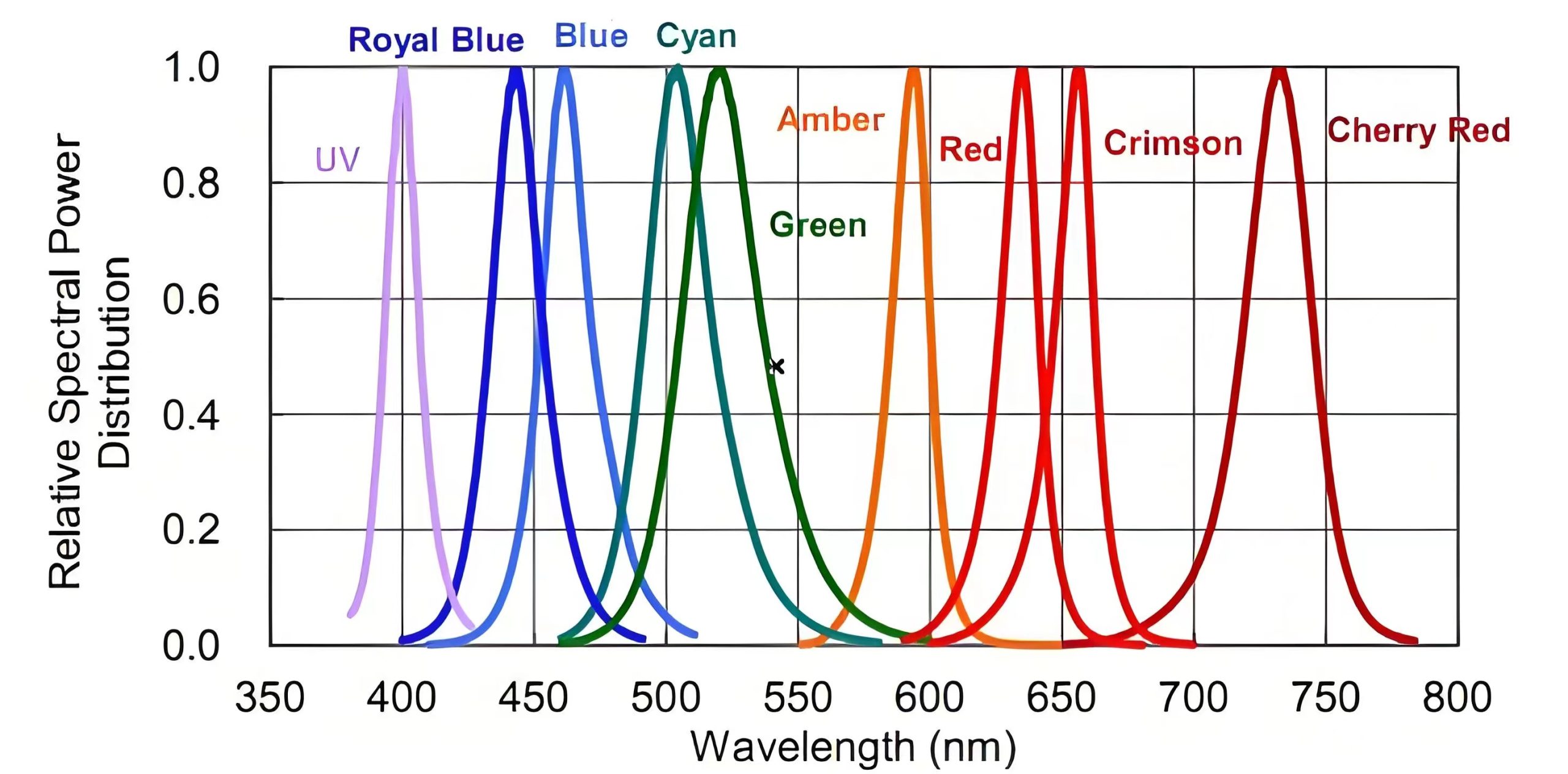
In addition, according to experimental requirements, there may be other wavelengths of LED light sources to choose from.
2. Brightness and luminous efficiency
Brightness: The brightness of the LED light source directly affects the excitation intensity of the fluorescent signal. High-brightness LEDs can provide stronger light output, thereby improving the sensitivity and accuracy of the experiment.
Luminous efficiency: Luminous efficiency refers to the ability of LEDs to convert electrical energy into light energy, usually expressed in lumens/watt (lm/W). LEDs with high luminous efficiency can use electrical energy more efficiently, reduce energy consumption and extend service life.
3. Stability and lifespan
Stability: PCR experiments require that the light source maintain stable output characteristics, including wavelength, brightness, and light intensity distribution, under long-term operation. Therefore, the LED light source in the PCR instrument needs to have good stability.
Lifespan: The lifespan of LED light sources is usually long, which can meet the needs of long-term operation of the PCR instrument. However, the lifespan of LED light sources of different brands and models may vary, and needs to be selected according to the specific product.
4. Other specifications
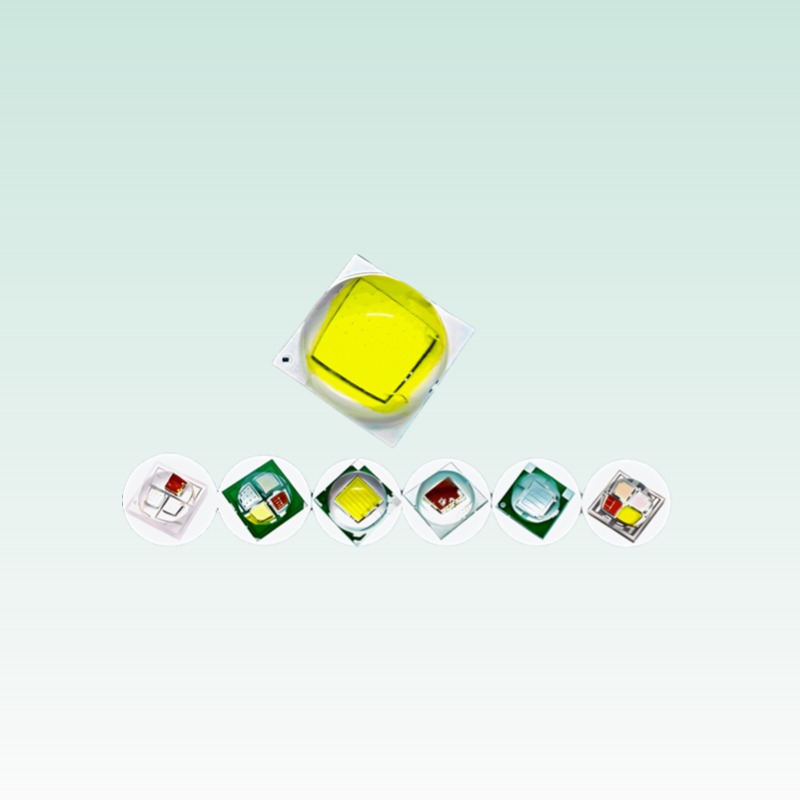
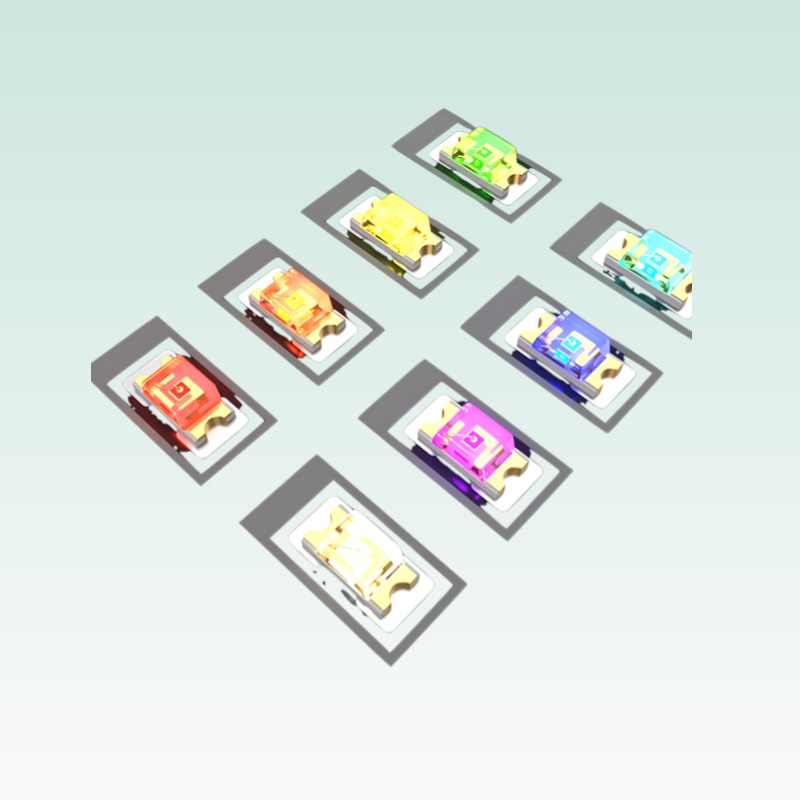
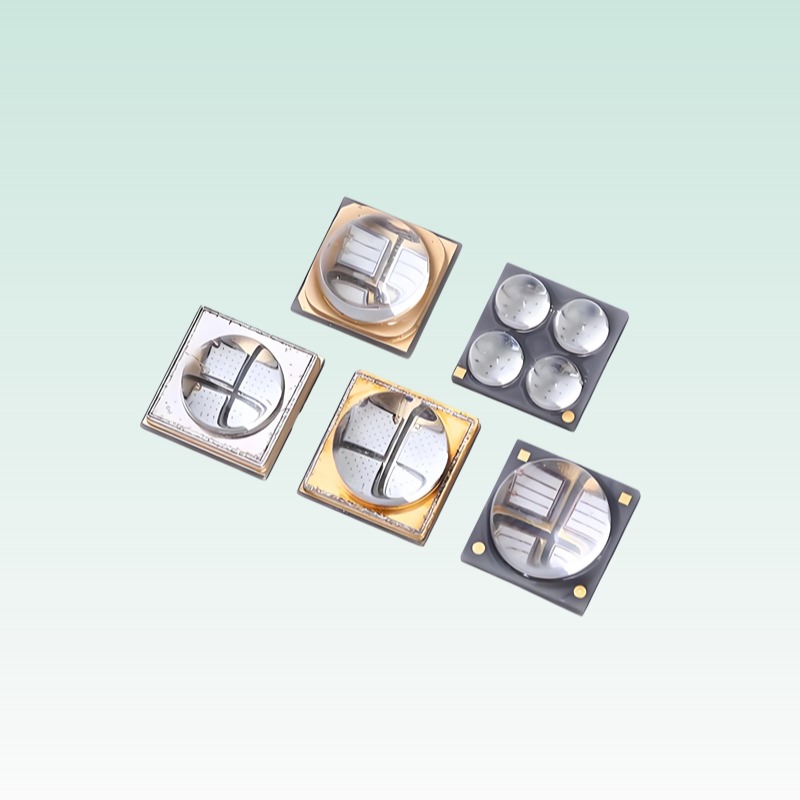
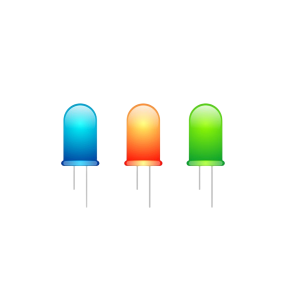
Packaging form: There are various packaging forms of LED light sources, including direct plug-in type, patch type, etc. In the PCR instrument, the packaging form suitable for the instrument structure and heat dissipation requirements is usually adopted.
Common specifications: 5mm medical biological light source, 3535 medical biological light source, 5050 medical biological light source, 7070 medical biological light source
Power: Although the power of LED light sources is usually low, it is still necessary to select appropriate power specifications in the PCR instrument according to the experimental requirements and instrument configuration.
5. Comprehensive classification
Combining the above factors, the LED light source in the PCR instrument can be classified according to specifications such as wavelength, brightness, luminous efficiency, stability and lifespan. At the same time, according to the specific needs of the experiment and the configuration of the instrument, you can also choose an LED light source with a specific package form and power specification.
It should be noted that due to the continuous development and updating of PCR technology, new LED light source specifications and types continue to emerge. Therefore, when choosing an LED light source in a PCR instrument, you need to pay attention to the latest technical dynamics and market trends to ensure that the selected light source can meet the experimental needs and instrument requirements.

 English
 Afrikaans
 Albanian
 Amharic
 Arabic
 Armenian
 Azerbaijani
 Basque
 Belarusian
 Bengali
 Bosnian
 Bulgarian
 Catalan
 Cebuano
 Chichewa
 Corsican
 Croatian
 Czech
Czech Danish
 Dutch
Dutch Esperanto
 Estonian
 Filipino
 Finnish
 French
 Frisian
 Galician
 Georgian
 German
 Greek
Greek Gujarati
 Haitian Creole
 Hausa
Hausa Hawaiian
 Hebrew
 Hindi
Hindi Hmong
Hmong Hungarian
 Icelandic
 Igbo
Igbo Indonesian
 Irish
Irish Italian
 Japanese
 Javanese
 Kannada
 Kazakh
 Khmer
Khmer Korean
 Kurdish (Kurmanji)
 Kyrgyz
 Lao
Lao Latin
Latin Latvian
 Lithuanian
 Luxembourgish
 Macedonian
 Malagasy
 Malay
Malay Malayalam
 Maltese
 Maori
Maori Marathi
 Mongolian
 Myanmar (Burmese)
 Nepali
 Norwegian
 Pashto
 Persian
 Polish
 Portuguese
 Punjabi
 Romanian
 Russian
 Samoan
 Scottish Gaelic
 Serbian
 Sesotho
 Shona
Shona Sindhi
 Sinhala
 Slovak
 Slovenian
 Somali
 Spanish
 Sudanese
 Swahili
 Swedish
 Tajik
Tajik Tamil
Tamil Telugu
 Thai
Thai Turkish
 Ukrainian
 Urdu
Urdu Uzbek
Uzbek Vietnamese
 Welsh
Welsh Xhosa
Xhosa Yiddish
 Yoruba
 Zulu
Zulu
Explore More from Queendom Lamp
Stay updated with the latest LED technology, lighting solutions, and industry insights.
Request a Quote About Queendom