

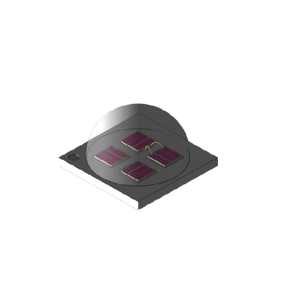
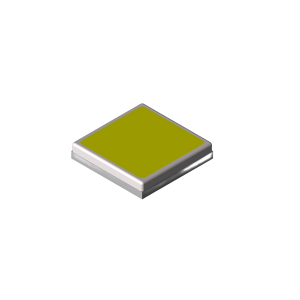

UV light for plants has become an increasingly popular topic in the horticulture industry. With the advancements in technology and the growing demand for sustainable and efficient agricultural practices, UV lighting has emerged as a revolutionary solution for plant growth and development. This article aims to provide an in-depth introduction to UV light for plants, covering its benefits, applications, and future prospects in the industry.
Introduction to UV Light for Plants
UV light, or ultraviolet light, is a type of electromagnetic radiation with wavelengths shorter than visible light but longer than X-rays. It is categorized into three types: UVA, UVB, and UVC. UVA has the longest wavelength and is the most common type used in horticulture. UVB has a shorter wavelength and is less commonly used, while UVC has the shortest wavelength and is primarily used for sterilization purposes.
In the context of plant growth, UV light plays a crucial role in the development of plants and the production of various plant products. It affects various physiological processes, including photosynthesis, flowering, and fruiting. By understanding the benefits and applications of UV light for plants, horticulturists can optimize plant growth and improve agricultural productivity.
Benefits of UV Light for Plants
1. Enhanced Photosynthesis: UV light, particularly UVA, can stimulate the production of chlorophyll in plants, which is essential for photosynthesis. This results in increased energy production and improved plant growth.
2. Improved Flowering and Fruit Production: UV light can trigger the flowering process in certain plants, leading to higher yields of flowers and fruits. It also helps in the development of more vibrant and colorful flowers.
3. Disease Resistance: UV light can suppress the growth of pathogens and pests that affect plant health. This makes it a valuable tool in integrated pest management (IPM) strategies.
4. Increased Plant Immunity: UV light exposure can enhance the immune system of plants, making them more resistant to diseases and environmental stressors.
5. Improved Nutrient Uptake: UV light can improve the absorption of nutrients from the soil, leading to better plant growth and development.
Applications of UV Light for Plants
1. Greenhouses and Indoor Gardening: UV lighting systems are widely used in greenhouses and indoor gardening facilities to provide optimal light conditions for plant growth. These systems can be customized to meet the specific needs of different plant species.
2. Vertical Farming: With the increasing demand for sustainable agriculture, vertical farming has gained popularity. UV lighting systems are crucial in vertical farming setups to ensure efficient plant growth and maximize yields.
3. Aquaponics: UV light is used in aquaponic systems to provide light for plant growth while maintaining a balanced ecosystem. It helps in the photosynthesis process and ensures healthy plant development.
4. Medical and Pharmaceutical Applications: UV light is utilized in the cultivation of medicinal plants and pharmaceutical crops. It can enhance the production of valuable compounds and improve the quality of plant-based medications.
5. Seedling Production: UV lighting systems are used in seedling production facilities to promote faster germination and healthier seedlings. This is particularly beneficial for the propagation of rare and endangered plant species.
Future Prospects of UV Light for Plants
The use of UV light for plants is expected to continue growing in the coming years due to its numerous benefits and applications. Here are some future prospects in this field:
1. Advanced UV Lighting Technologies: Ongoing research and development efforts are focused on improving UV lighting technologies to provide more efficient and cost-effective solutions for plant growth.
2. Personalized UV Lighting Systems: With the advancement of IoT (Internet of Things) technology, personalized UV lighting systems can be developed to meet the specific needs of different plant species and growth stages.
3. Integration with Other Sustainable Practices: UV lighting can be integrated with other sustainable agricultural practices, such as hydroponics, aquaponics, and precision agriculture, to further enhance plant growth and productivity.
4. Global Market Expansion: As the demand for sustainable and efficient agricultural practices increases worldwide, the global market for UV lighting for plants is expected to expand significantly.
In conclusion, UV light for plants has emerged as a vital tool in the horticulture industry. Its numerous benefits and applications make it a valuable asset for optimizing plant growth and development. As technology continues to advance, the future of UV lighting for plants looks promising, with potential for further innovation and expansion in the global market.
 English
 Afrikaans
 Albanian
 Amharic
 Arabic
 Armenian
 Azerbaijani
 Basque
 Belarusian
 Bengali
 Bosnian
 Bulgarian
 Catalan
 Cebuano
 Chichewa
 Corsican
 Croatian
 Czech
Czech Danish
 Dutch
Dutch Esperanto
 Estonian
 Filipino
 Finnish
 French
 Frisian
 Galician
 Georgian
 German
 Greek
Greek Gujarati
 Haitian Creole
 Hausa
Hausa Hawaiian
 Hebrew
 Hindi
Hindi Hmong
Hmong Hungarian
 Icelandic
 Igbo
Igbo Indonesian
 Irish
Irish Italian
 Japanese
 Javanese
 Kannada
 Kazakh
 Khmer
Khmer Korean
 Kurdish (Kurmanji)
 Kyrgyz
 Lao
Lao Latin
Latin Latvian
 Lithuanian
 Luxembourgish
 Macedonian
 Malagasy
 Malay
Malay Malayalam
 Maltese
 Maori
Maori Marathi
 Mongolian
 Myanmar (Burmese)
 Nepali
 Norwegian
 Pashto
 Persian
 Polish
 Portuguese
 Punjabi
 Romanian
 Russian
 Samoan
 Scottish Gaelic
 Serbian
 Sesotho
 Shona
Shona Sindhi
 Sinhala
 Slovak
 Slovenian
 Somali
 Spanish
 Sudanese
 Swahili
 Swedish
 Tajik
Tajik Tamil
Tamil Telugu
 Thai
Thai Turkish
 Ukrainian
 Urdu
Urdu Uzbek
Uzbek Vietnamese
 Welsh
Welsh Xhosa
Xhosa Yiddish
 Yoruba
 Zulu
Zulu
Explore More from Queendom Lamp
Stay updated with the latest LED technology, lighting solutions, and industry insights.
Request a Quote About Queendom