






Introduction to Invisible Infrared LED: A Revolution in LED Technology
Understanding Invisible Infrared LED
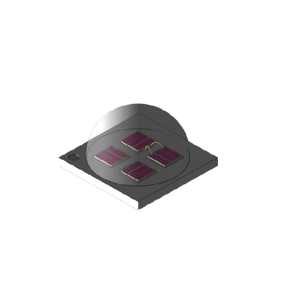
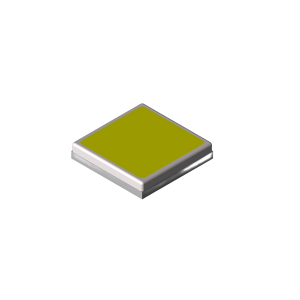
Invisible infrared LED, also known as infrared invisible LED, is a cutting-edge technology that has revolutionized the LED industry. Unlike traditional LEDs that emit visible light, invisible infrared LEDs emit infrared light that is not visible to the naked eye. This technology has a wide range of applications in various industries, making it a crucial component in modern electronic devices.
The main advantage of invisible infrared LED is its ability to emit light that is invisible to the human eye, while still providing the same functionality as traditional LEDs. This makes it an ideal choice for applications where visible light is undesirable or not necessary. For example, invisible infrared LEDs are commonly used in remote controls, security systems, and medical devices.
How Invisible Infrared LED Works
Invisible infrared LED operates on the same principle as traditional LEDs, but with a key difference in the wavelength of the emitted light. Traditional LEDs emit visible light, which falls within the range of 380 to 780 nanometers (nm). In contrast, invisible infrared LEDs emit light in the infrared spectrum, which is beyond the range of human vision.
The key to the invisible infrared LED’s operation lies in its semiconductor material. When an electric current passes through the semiconductor material, it generates infrared light. The specific wavelength of the emitted light can be controlled by altering the composition and structure of the semiconductor material.
Applications of Invisible Infrared LED
The versatility of invisible infrared LED technology has led to its widespread adoption in various industries. Some of the most common applications include:
1. Remote Controls: Invisible infrared LEDs are widely used in remote controls for televisions, air conditioners, and other electronic devices. The invisible infrared light is emitted by the remote control and received by the corresponding device, allowing users to control the device without visible light interference.
2. Security Systems: Invisible infrared LEDs are used in security systems to detect movement in dark environments. The infrared light emitted by the LED is not visible to the naked eye, making it difficult for intruders to detect the presence of surveillance cameras.
3. Medical Devices: Invisible infrared LEDs are used in various medical devices, such as thermometers and imaging equipment. The infrared light helps in detecting body temperature and other physiological parameters without the need for visible light.
4. Automotive Industry: Invisible infrared LEDs are used in automotive applications, such as parking sensors and dashboard displays. The invisible infrared light is used to detect obstacles and provide information to the driver without distracting them with visible light.
5. Consumer Electronics: Invisible infrared LEDs are also used in consumer electronics, such as gaming devices, mobile phones, and digital cameras. The invisible infrared light is used for various functions, including motion sensing and proximity detection.
Advantages of Invisible Infrared LED
The use of invisible infrared LED technology offers several advantages over traditional LED technology:
1. Unobtrusive: Since invisible infrared LED emits light that is not visible to the human eye, it is less likely to cause distraction or discomfort in dark environments.
2. Energy Efficiency: Invisible infrared LED technology is highly energy-efficient, consuming less power compared to traditional LEDs. This makes it an ideal choice for battery-powered devices.
3. Cost-Effective: The production cost of invisible infrared LED is relatively low, making it a cost-effective solution for various applications.
4. Longevity: Invisible infrared LED technology is durable and has a long lifespan, ensuring reliable performance over time.
5. Versatility: The ability to control the wavelength of the emitted light allows for a wide range of applications, making invisible infrared LED a versatile technology.
Conclusion
Invisible infrared LED technology has emerged as a game-changer in the LED industry, offering numerous benefits over traditional LED technology. With its ability to emit light that is invisible to the human eye, invisible infrared LED has found applications in various industries, making it an essential component in modern electronic devices. As the demand for invisible infrared LED continues to grow, we can expect to see further advancements in this technology, opening up new possibilities in the future.
 English
 Afrikaans
 Albanian
 Amharic
 Arabic
 Armenian
 Azerbaijani
 Basque
 Belarusian
 Bengali
 Bosnian
 Bulgarian
 Catalan
 Cebuano
 Chichewa
 Corsican
 Croatian
 Czech
Czech Danish
 Dutch
Dutch Esperanto
 Estonian
 Filipino
 Finnish
 French
 Frisian
 Galician
 Georgian
 German
 Greek
Greek Gujarati
 Haitian Creole
 Hausa
Hausa Hawaiian
 Hebrew
 Hindi
Hindi Hmong
Hmong Hungarian
 Icelandic
 Igbo
Igbo Indonesian
 Irish
Irish Italian
 Japanese
 Javanese
 Kannada
 Kazakh
 Khmer
Khmer Korean
 Kurdish (Kurmanji)
 Kyrgyz
 Lao
Lao Latin
Latin Latvian
 Lithuanian
 Luxembourgish
 Macedonian
 Malagasy
 Malay
Malay Malayalam
 Maltese
 Maori
Maori Marathi
 Mongolian
 Myanmar (Burmese)
 Nepali
 Norwegian
 Pashto
 Persian
 Polish
 Portuguese
 Punjabi
 Romanian
 Russian
 Samoan
 Scottish Gaelic
 Serbian
 Sesotho
 Shona
Shona Sindhi
 Sinhala
 Slovak
 Slovenian
 Somali
 Spanish
 Sudanese
 Swahili
 Swedish
 Tajik
Tajik Tamil
Tamil Telugu
 Thai
Thai Turkish
 Ukrainian
 Urdu
Urdu Uzbek
Uzbek Vietnamese
 Welsh
Welsh Xhosa
Xhosa Yiddish
 Yoruba
 Zulu
Zulu
Explore More from Queendom Lamp
Stay updated with the latest LED technology, lighting solutions, and industry insights.
Request a Quote About Queendom