

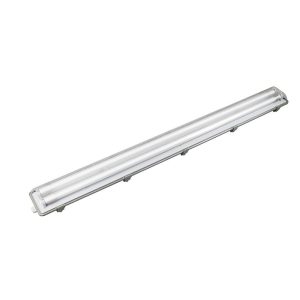
Emergency tube light 20 watt has become an essential component in modern building safety and emergency lighting systems. These lights are designed to provide illumination during power outages or other emergencies, ensuring that people can safely navigate through dark areas. This article delves into the details of emergency tube lights, their applications, benefits, and the technology behind them, offering a comprehensive overview of this vital product in the lighting industry.
Introduction to Emergency Tube Light 20 Watt
The emergency tube light 20 watt is a type of fluorescent tube light that is specifically designed for emergency lighting purposes. These lights are typically installed in areas where continuous lighting is crucial for safety, such as hospitals, schools, offices, and public buildings. The 20-watt rating indicates the amount of power the light consumes, making it a cost-effective solution for emergency lighting needs.
How Emergency Tube Lights Work
Emergency tube lights operate on the principle of fluorescent lighting. When electricity is applied to the tube, a gas inside the tube becomes ionized, causing electrons to collide with the gas atoms. This collision releases photons, which produce light. In the case of emergency tube lights, the design includes a battery backup system that ensures the light continues to operate during power failures.
Components of an Emergency Tube Light 20 Watt
An emergency tube light 20 watt consists of several key components:
1. Fluorescent Tube: The light source, which emits light when electricity is applied.
2. Ballast: A device that controls the flow of electricity to the fluorescent tube, ensuring it operates efficiently.
3. Battery Backup: A rechargeable battery that provides power to the light during a power outage.
4. Circuitry: The electrical components that allow the light to switch between normal and emergency operation.
5. Mounting Bracket: The hardware that secures the light to the ceiling or wall.
Applications of Emergency Tube Lights
Emergency tube lights are widely used in various settings due to their reliability and efficiency. Some common applications include:
1. Public Buildings: Government buildings, libraries, and museums require emergency lighting to ensure the safety of occupants and visitors during power outages.
2. Healthcare Facilities: Hospitals and clinics rely on emergency tube lights to maintain visibility in patient rooms, corridors, and operating theaters.
3. Schools and Educational Institutions: Safety is paramount in schools, and emergency tube lights provide a quick and effective solution for maintaining illumination during emergencies.
4. Offices and Commercial Buildings: Emergency lighting is a legal requirement in many commercial buildings, and tube lights are a popular choice due to their energy efficiency.
5. Residential Buildings: Some residential buildings, particularly those with elderly or disabled occupants, may install emergency tube lights for added safety.
Benefits of Emergency Tube Lights
Emergency tube lights offer several benefits over traditional lighting solutions:
1. Energy Efficiency: Fluorescent tubes are highly energy-efficient, consuming less power than incandescent bulbs.
2. Longevity: Fluorescent tubes have a longer lifespan than incandescent bulbs, reducing maintenance and replacement costs.
3. Safety: Emergency lighting provides a reliable source of light during power outages, reducing the risk of accidents and injuries.
4. Compliance: Many buildings are required by law to have emergency lighting installed, and tube lights are a cost-effective way to meet these regulations.
Technology and Innovation in Emergency Tube Lights
The technology behind emergency tube lights has evolved significantly over the years. Recent advancements include:
1. LED Integration: Some emergency tube lights now incorporate LED technology, offering even greater energy efficiency and longer lifespans.
2. Smart Lighting Systems: Advanced emergency lighting systems can be integrated with building management systems, allowing for remote monitoring and control.
3. Energy Harvesting: Some emergency lights are equipped with energy-harvesting capabilities, using ambient light to charge the battery, further reducing energy consumption.
Installation and Maintenance of Emergency Tube Lights
Proper installation and maintenance are crucial for the optimal performance of emergency tube lights. Here are some key considerations:
1. Professional Installation: It is recommended to have emergency tube lights installed by a qualified electrician to ensure compliance with local regulations and safety standards.
2. Regular Testing: Emergency lights should be tested regularly to ensure they are functioning correctly. This includes checking the battery backup and light output.
3. Maintenance Schedule: A maintenance schedule should be established to clean and inspect the lights periodically, ensuring they remain in good working condition.
Conclusion
Emergency tube lights 20 watt play a vital role in ensuring the safety of people in buildings during emergencies. With their energy-efficient design, long lifespan, and reliability, these lights are an essential component of modern building safety and emergency lighting systems. As technology continues to advance, emergency tube lights will likely become even more efficient and intelligent, providing enhanced safety and convenience for occupants and building owners alike.
 English
 Afrikaans
 Albanian
 Amharic
 Arabic
 Armenian
 Azerbaijani
 Basque
 Belarusian
 Bengali
 Bosnian
 Bulgarian
 Catalan
 Cebuano
 Chichewa
 Corsican
 Croatian
 Czech
Czech Danish
 Dutch
Dutch Esperanto
 Estonian
 Filipino
 Finnish
 French
 Frisian
 Galician
 Georgian
 German
 Greek
Greek Gujarati
 Haitian Creole
 Hausa
Hausa Hawaiian
 Hebrew
 Hindi
Hindi Hmong
Hmong Hungarian
 Icelandic
 Igbo
Igbo Indonesian
 Irish
Irish Italian
 Japanese
 Javanese
 Kannada
 Kazakh
 Khmer
Khmer Korean
 Kurdish (Kurmanji)
 Kyrgyz
 Lao
Lao Latin
Latin Latvian
 Lithuanian
 Luxembourgish
 Macedonian
 Malagasy
 Malay
Malay Malayalam
 Maltese
 Maori
Maori Marathi
 Mongolian
 Myanmar (Burmese)
 Nepali
 Norwegian
 Pashto
 Persian
 Polish
 Portuguese
 Punjabi
 Romanian
 Russian
 Samoan
 Scottish Gaelic
 Serbian
 Sesotho
 Shona
Shona Sindhi
 Sinhala
 Slovak
 Slovenian
 Somali
 Spanish
 Sudanese
 Swahili
 Swedish
 Tajik
Tajik Tamil
Tamil Telugu
 Thai
Thai Turkish
 Ukrainian
 Urdu
Urdu Uzbek
Uzbek Vietnamese
 Welsh
Welsh Xhosa
Xhosa Yiddish
 Yoruba
 Zulu
Zulu
Explore More from Queendom Lamp
Stay updated with the latest LED technology, lighting solutions, and industry insights.
Request a Quote About Queendom