



Analysis of the Principle of UV Curing Lamp
UV curing lamp is a device that uses ultraviolet radiation to cure coatings and is widely used in industrial fields such as printing, painting, and glue. Its principle is to use ultraviolet radiation to irradiate the coating, causing it to quickly cure and form a hard and wear-resistant surface. The emergence of UV curing lamps has greatly improved production efficiency and product quality, becoming an indispensable and important equipment in modern industrial production.
1. Characteristics of ultraviolet radiation
Ultraviolet radiation is a type of electromagnetic radiation with a shorter wavelength range of 10-400 nanometers. UV rays are divided into three bands: UVA, UVB, and UVC, among which the UVC band has strong sterilization and disinfection capabilities. In UV curing lamps, the main use is ultraviolet radiation in the UVA band, with a wavelength range of 315-400 nanometers. UVA ultraviolet rays have strong penetrating power and can effectively illuminate the surface of coatings.
2. The role of photoinitiators
Photoinitiators are a special type of chemical substance that can absorb ultraviolet radiation and convert it into chemical energy. When a photoinitiator is exposed to ultraviolet radiation, the chemical bonds inside its molecules will break, producing high-energy free radicals or excited state molecules. These high-energy substances can trigger chemical reactions between monomers or polymers in the coating, thereby solidifying the coating.
3. Curing process of coating
When the coating is exposed to ultraviolet radiation, the photoinitiator absorbs ultraviolet radiation and converts it into chemical energy, triggering polymerization reactions of monomers or polymers in the coating. During the polymerization reaction, the molecular chains of monomers or polymers will gradually crosslink, forming a hard and wear-resistant solid structure. This process is a rapid chemical reaction that usually only takes a few seconds or minutes to complete.
4. Structure of UV curing lamp
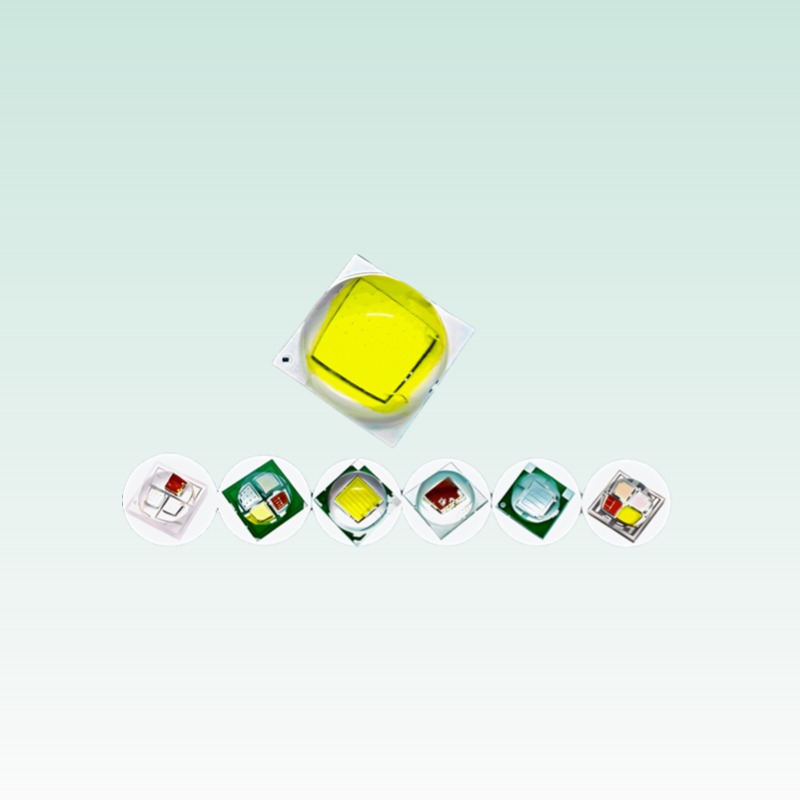
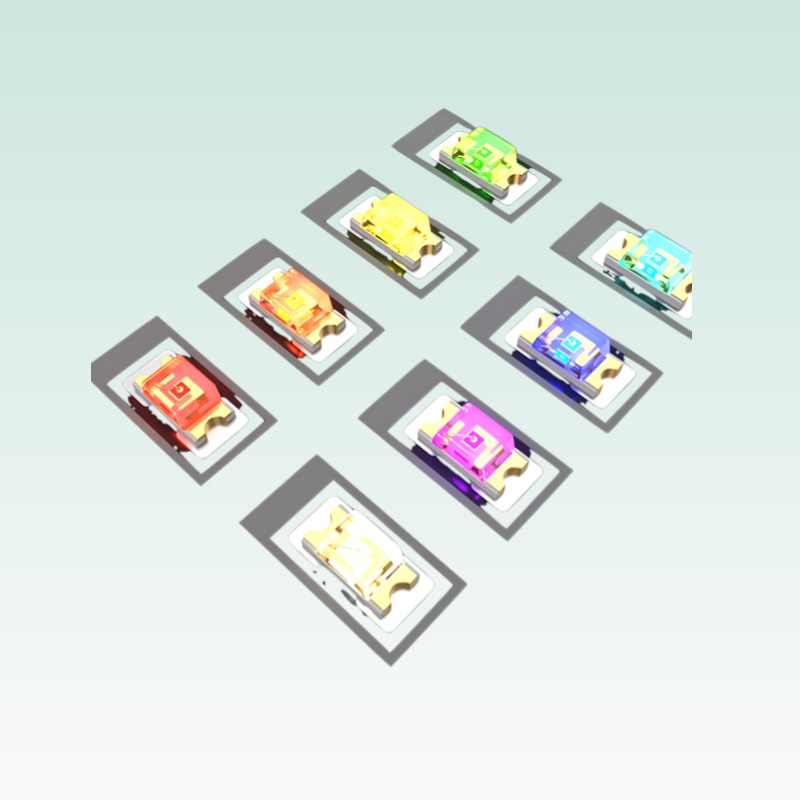
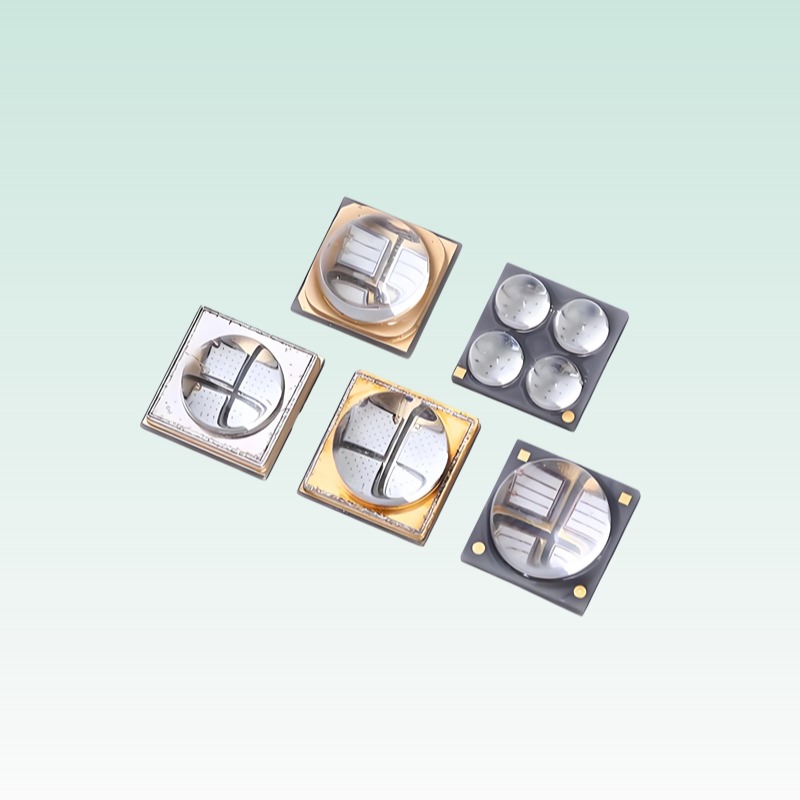
UV curing lamps typically consist of a light source, reflector, and cooling system. A light source is a device that generates ultraviolet radiation, and common light sources include mercury lamps, deuterium lamps, and LEDs. The function of a reflector is to concentrate light and irradiate the surface of the coating, improving curing efficiency. The cooling system is used to lower the temperature of the light source and prevent overheating.
5. Application of UV curing lamps
UV curing lamps are widely used in industrial fields such as printing, painting, and glue. In the field of printing, UV curing lamps can quickly dry ink, improve printing speed and quality. In the field of painting, UV curing lamps can quickly cure coatings, forming a hard and wear-resistant surface. In the field of adhesive, UV curing lamps can quickly cure adhesive, improve bonding strength and weather resistance.
UV curing lamps, as a device that uses ultraviolet radiation to cure coatings, play an important role in industrial production. Its principle is to use ultraviolet radiation to irradiate the coating, causing it to quickly cure and form a hard and wear-resistant surface. UV curing lamps have many advantages, but they also face some challenges

 English
 Afrikaans
 Albanian
 Amharic
 Arabic
 Armenian
 Azerbaijani
 Basque
 Belarusian
 Bengali
 Bosnian
 Bulgarian
 Catalan
 Cebuano
 Chichewa
 Corsican
 Croatian
 Czech
Czech Danish
 Dutch
Dutch Esperanto
 Estonian
 Filipino
 Finnish
 French
 Frisian
 Galician
 Georgian
 German
 Greek
Greek Gujarati
 Haitian Creole
 Hausa
Hausa Hawaiian
 Hebrew
 Hindi
Hindi Hmong
Hmong Hungarian
 Icelandic
 Igbo
Igbo Indonesian
 Irish
Irish Italian
 Japanese
 Javanese
 Kannada
 Kazakh
 Khmer
Khmer Korean
 Kurdish (Kurmanji)
 Kyrgyz
 Lao
Lao Latin
Latin Latvian
 Lithuanian
 Luxembourgish
 Macedonian
 Malagasy
 Malay
Malay Malayalam
 Maltese
 Maori
Maori Marathi
 Mongolian
 Myanmar (Burmese)
 Nepali
 Norwegian
 Pashto
 Persian
 Polish
 Portuguese
 Punjabi
 Romanian
 Russian
 Samoan
 Scottish Gaelic
 Serbian
 Sesotho
 Shona
Shona Sindhi
 Sinhala
 Slovak
 Slovenian
 Somali
 Spanish
 Sudanese
 Swahili
 Swedish
 Tajik
Tajik Tamil
Tamil Telugu
 Thai
Thai Turkish
 Ukrainian
 Urdu
Urdu Uzbek
Uzbek Vietnamese
 Welsh
Welsh Xhosa
Xhosa Yiddish
 Yoruba
 Zulu
Zulu
Explore More from Queendom Lamp
Stay updated with the latest LED technology, lighting solutions, and industry insights.
Request a Quote About Queendom