

UV sterilization lamps have become an essential component in various industries due to their effectiveness in eliminating bacteria, viruses, and other pathogens. These lamps emit ultraviolet (UV) light, which has the ability to penetrate the cell walls of microorganisms and disrupt their DNA or RNA, rendering them unable to reproduce and thus rendering them harmless. This article will provide an in-depth introduction to UV sterilization lamps, their applications, advantages, and challenges in the industry.
Introduction to UV Sterilization Lamps
UV sterilization lamps are devices that produce UV-C light, a specific wavelength of ultraviolet light with germicidal properties. The UV-C light is most effective at a wavelength of 254 nanometers (nm), which is capable of penetrating the cell walls of microorganisms and causing damage to their genetic material. This process is known as photolysis, where the UV light breaks the molecular bonds in the DNA or RNA, leading to the death or inactivation of the microorganism.
Types of UV Sterilization Lamps
There are several types of UV sterilization lamps available in the market, each with its own design and application:
– Low-pressure mercury vapor lamps: These lamps are the most common type of UV sterilization lamps and are widely used in water purification, air purification, and surface disinfection systems. They produce UV-C light at a wavelength of 254 nm and are known for their long lifespan and cost-effectiveness.
– Medium-pressure mercury vapor lamps: These lamps are used in larger-scale applications, such as water treatment plants and industrial processes. They produce a broader spectrum of UV light, including UV-C, and are more powerful than low-pressure lamps.
– High-pressure mercury vapor lamps: These lamps are used in specialized applications, such as medical equipment sterilization and air disinfection in hospitals. They produce a high intensity of UV-C light and are capable of sterilizing larger surfaces in a shorter amount of time.
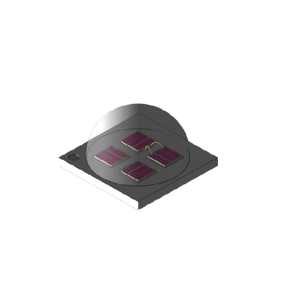
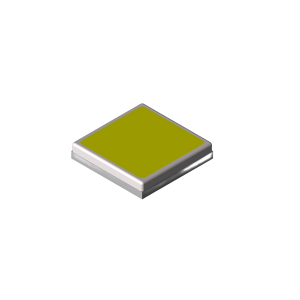
– LED UV sterilization lamps: The latest development in UV sterilization technology, LED lamps are known for their energy efficiency, long lifespan, and compact size. They are increasingly being used in consumer products, such as personal care devices and water purification systems.
Applications of UV Sterilization Lamps
UV sterilization lamps find applications in numerous industries, including:
– Water purification: UV sterilization is an effective method for purifying water by eliminating pathogens such as bacteria, viruses, and protozoa. It is used in both residential and commercial water treatment systems.
– Air purification: UV lamps are used in air purification systems to eliminate airborne pathogens, such as mold, bacteria, and viruses, improving indoor air quality.
– Surface disinfection: UV sterilization lamps are used to disinfect surfaces in healthcare facilities, food processing plants, and laboratories, ensuring a clean and safe environment.
– Medical equipment sterilization: In the healthcare industry, UV sterilization lamps are used to sterilize medical instruments and equipment, reducing the risk of infections.
– Food processing: UV sterilization is used in the food industry to eliminate pathogens on food surfaces, extending shelf life and ensuring food safety.
Advantages of UV Sterilization Lamps
UV sterilization lamps offer several advantages over traditional disinfection methods:
– Non-chemical: UV sterilization does not use chemicals, making it a safer and more environmentally friendly option.
– Effective: UV-C light is highly effective in killing a wide range of microorganisms, including bacteria, viruses, and fungi.
– Fast: UV sterilization is a quick process, with many applications requiring only a few seconds of exposure to achieve disinfection.
– Targeted: UV sterilization can be targeted to specific areas, making it a cost-effective solution for large-scale disinfection.
Challenges and Limitations
Despite their many advantages, UV sterilization lamps also face some challenges and limitations:
– Shade protection: UV-C light is ineffective if it is blocked by substances such as dust, fog, or certain plastics. Therefore, proper maintenance and shading are crucial for optimal performance.
– Material compatibility: Some materials may be sensitive to UV light and can be damaged by prolonged exposure. It is important to choose the right materials for UV sterilization systems.
– Energy consumption: UV sterilization lamps require a significant amount of energy to operate, which can be a concern for some applications.
– Regulatory compliance: There are regulations and guidelines for the use of UV sterilization lamps in different industries, which must be followed to ensure safety and efficacy.
In conclusion, UV sterilization lamps are a versatile and effective tool for eliminating harmful microorganisms in various industries. As technology continues to advance, we can expect to see further improvements in the efficiency and applicability of UV sterilization lamps, making them an even more valuable asset in the fight against pathogens.
 English
 Afrikaans
 Albanian
 Amharic
 Arabic
 Armenian
 Azerbaijani
 Basque
 Belarusian
 Bengali
 Bosnian
 Bulgarian
 Catalan
 Cebuano
 Chichewa
 Corsican
 Croatian
 Czech
Czech Danish
 Dutch
Dutch Esperanto
 Estonian
 Filipino
 Finnish
 French
 Frisian
 Galician
 Georgian
 German
 Greek
Greek Gujarati
 Haitian Creole
 Hausa
Hausa Hawaiian
 Hebrew
 Hindi
Hindi Hmong
Hmong Hungarian
 Icelandic
 Igbo
Igbo Indonesian
 Irish
Irish Italian
 Japanese
 Javanese
 Kannada
 Kazakh
 Khmer
Khmer Korean
 Kurdish (Kurmanji)
 Kyrgyz
 Lao
Lao Latin
Latin Latvian
 Lithuanian
 Luxembourgish
 Macedonian
 Malagasy
 Malay
Malay Malayalam
 Maltese
 Maori
Maori Marathi
 Mongolian
 Myanmar (Burmese)
 Nepali
 Norwegian
 Pashto
 Persian
 Polish
 Portuguese
 Punjabi
 Romanian
 Russian
 Samoan
 Scottish Gaelic
 Serbian
 Sesotho
 Shona
Shona Sindhi
 Sinhala
 Slovak
 Slovenian
 Somali
 Spanish
 Sudanese
 Swahili
 Swedish
 Tajik
Tajik Tamil
Tamil Telugu
 Thai
Thai Turkish
 Ukrainian
 Urdu
Urdu Uzbek
Uzbek Vietnamese
 Welsh
Welsh Xhosa
Xhosa Yiddish
 Yoruba
 Zulu
Zulu
Explore More from Queendom Lamp
Stay updated with the latest LED technology, lighting solutions, and industry insights.
Request a Quote About Queendom