

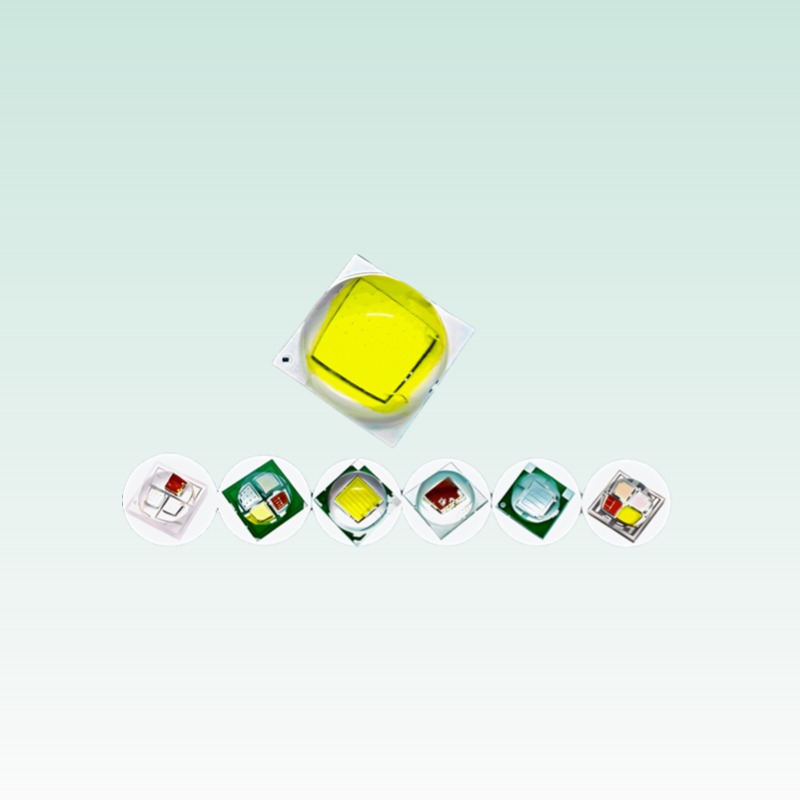
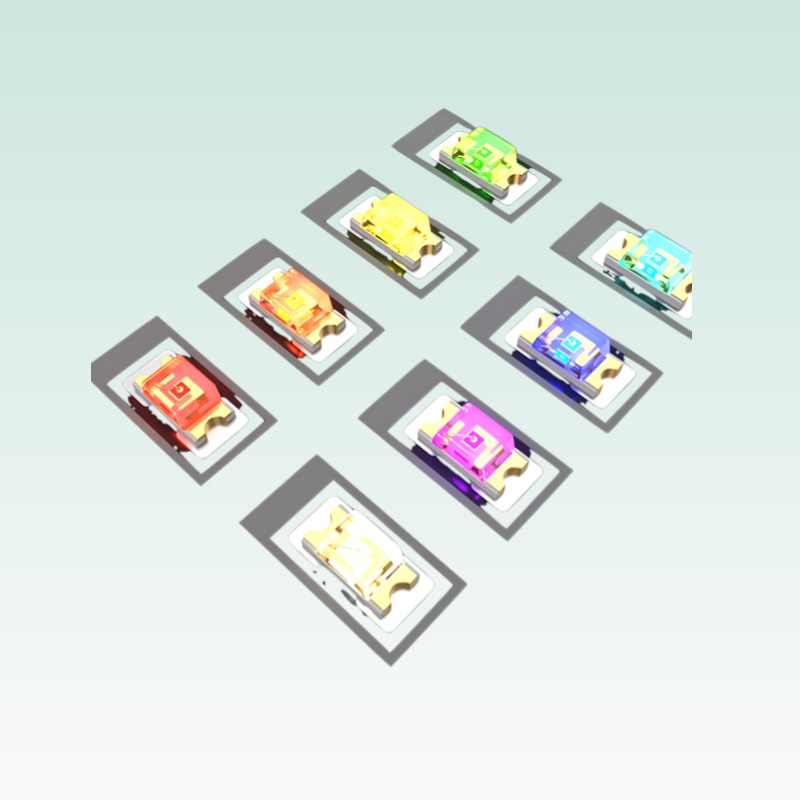
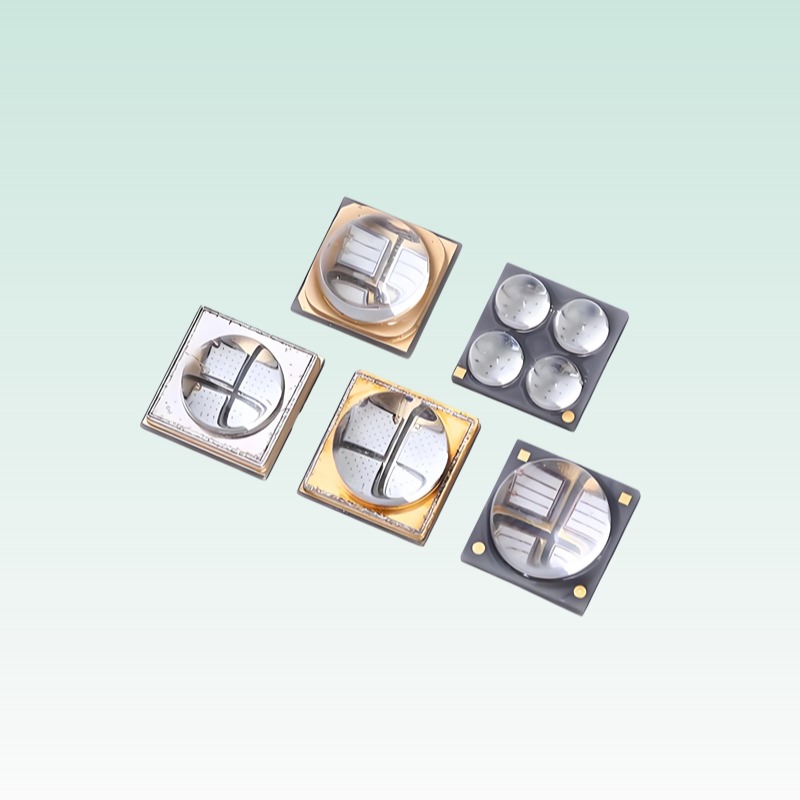

In the realm of high-intensity illumination, thermal management is the critical differentiator between long-term reliability and premature failure. Ceramic packaging has emerged as the industry gold standard for high-power LED diodes, primarily due to its exceptional material properties.
1. Superior Thermal Conductivity
Unlike traditional plastic or metal core printed circuit boards (MCPCBs), ceramic substrates like Aluminum Nitride (AlN) or Alumina (Al2O3) offer significantly higher thermal conductivity. This allows heat generated at the LED junction to be dissipated rapidly, maintaining a lower junction temperature and preserving the internal semiconductor structure.
2. Coefficient of Thermal Expansion (CTE) Matching
One of the primary causes of LED failure is mechanical stress caused by thermal cycling. Ceramic materials possess a Coefficient of Thermal Expansion that closely matches the silicon or sapphire chips used in LEDs. This synchronization minimizes mechanical strain on solder joints and wire bonds, ensuring structural integrity over thousands of operational hours.
3. Chemical and UV Stability
Ceramic packaging is inorganic and highly resistant to degradation from UV radiation and harsh chemical environments. In high-power applications where intense light and heat are constant, ceramics do not yellow or embrittle, ensuring that the optical output remains consistent and the package remains hermetically sealed.
Conclusion
By integrating ceramic packaging, high-power LEDs achieve a level of thermal stability that enables higher drive currents and increased lumen output without compromising lifespan. It remains the most robust solution for demanding industrial and outdoor lighting applications.

 English
 Afrikaans
 Albanian
 Amharic
 Arabic
 Armenian
 Azerbaijani
 Basque
 Belarusian
 Bengali
 Bosnian
 Bulgarian
 Catalan
 Cebuano
 Chichewa
 Corsican
 Croatian
 Czech
Czech Danish
 Dutch
Dutch Esperanto
 Estonian
 Filipino
 Finnish
 French
 Frisian
 Galician
 Georgian
 German
 Greek
Greek Gujarati
 Haitian Creole
 Hausa
Hausa Hawaiian
 Hebrew
 Hindi
Hindi Hmong
Hmong Hungarian
 Icelandic
 Igbo
Igbo Indonesian
 Irish
Irish Italian
 Japanese
 Javanese
 Kannada
 Kazakh
 Khmer
Khmer Korean
 Kurdish (Kurmanji)
 Kyrgyz
 Lao
Lao Latin
Latin Latvian
 Lithuanian
 Luxembourgish
 Macedonian
 Malagasy
 Malay
Malay Malayalam
 Maltese
 Maori
Maori Marathi
 Mongolian
 Myanmar (Burmese)
 Nepali
 Norwegian
 Pashto
 Persian
 Polish
 Portuguese
 Punjabi
 Romanian
 Russian
 Samoan
 Scottish Gaelic
 Serbian
 Sesotho
 Shona
Shona Sindhi
 Sinhala
 Slovak
 Slovenian
 Somali
 Spanish
 Sudanese
 Swahili
 Swedish
 Tajik
Tajik Tamil
Tamil Telugu
 Thai
Thai Turkish
 Ukrainian
 Urdu
Urdu Uzbek
Uzbek Vietnamese
 Welsh
Welsh Xhosa
Xhosa Yiddish
 Yoruba
 Zulu
Zulu
Explore More from Queendom Lamp
Stay updated with the latest LED technology, lighting solutions, and industry insights.
Request a Quote About Queendom