
Working principle of Infrared Emitting Diode.Infrared Emitting Diode (IRLED) is a semiconductor device that can emit infrared light.
Category Archives: LED Diode Q&A
Welcome to Queendom’s LED Diode Q&A, where you can exchange and interact with product information.
11
Jan
Jan
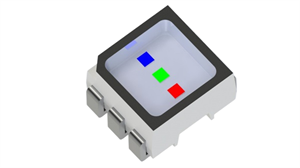
The principle and advantages of RGBLED lights.RGBLED lights are composed of three colors: red, green, and blue.

11
Jan
Jan
Working principle of Infrared Emitting Diode.Infrared Emitting Diode (IRLED) is a semiconductor device that emits infrared light.
SMD packaging,SMD LED,SMT LED Diode,There are generally two types of SMD packaging structures: one is metal bracket chip LED, and the other is PCB chip LED. The specific process flow is as follows.
Several methods for producing white LED,Coating YAG fluorescent powder on LED blue light chips. Coating YAG (Ytrium Aluminum Garmet) phosphor on LED blue light chips,
16
Oct
Oct
Mini LED and OLED are one of the two main display technologies currently on the market. They have different characteristics in terms of display quality, power consumption, thickness and price.
UV led diode:What is a UV diode? (ie UVLightEmittingDiode, ultraviolet light-emitting diode) is a solid-state semiconductor device that can directly convert electrical energy into ultraviolet light. It is a kind of LED, the wavelength range is: 10-400nm
What are LED Displays?Displays, also known as Nixie tubes, are electronic devices that display numbers and other information. The glass tube contains an anode made of wire mesh and multiple cathodes. Most nixie tube cathodes are in the shape of numbers. The tube is filled with a low-pressure gas, usually mostly neon with some mercury and/or argon. Charge a certain cathode, and the digital tube will emit colored light, which is usually orange or green, depending on the gas in the tube.

13
Jul
Jul
Superflux Piranha LEDs are a type of high-performance light-emitting diodes (LEDs) commonly used in various lighting applications. These LEDs are known for their brightness, energy efficiency, and durability.
01
Jul
Jul
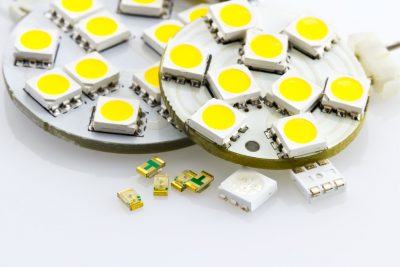
Smd LEDs types and sizes are commonly used infrared LED lighting components and are widely used in various lighting fields. According to different structures and characteristics, they can be divided into various types.
01
Jul
Jul
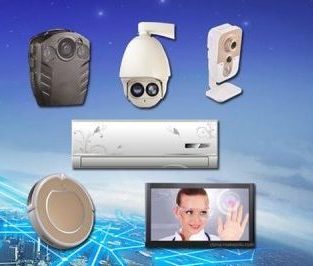
What are infrared LEDs used for?Infrared LEDs are lighting elements that generate infrared radiation through current excitation, and have a certain wavelength range. What are the characteristics of this lighting element?
08
Jun
Jun
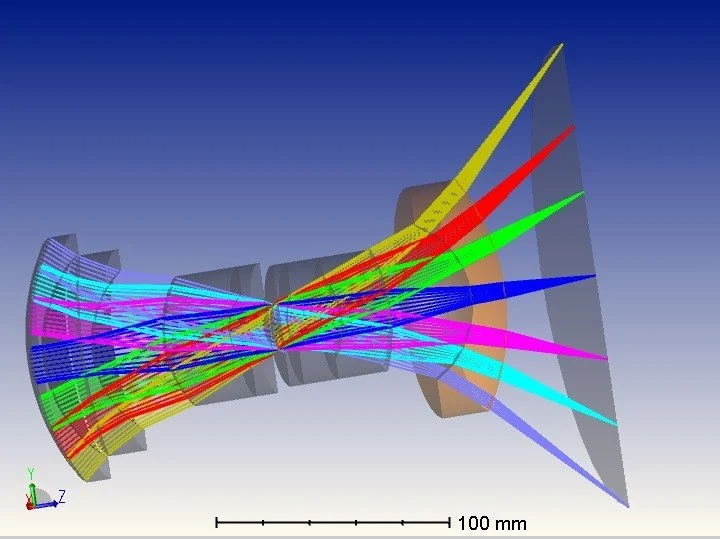
An optical system refers to a device that utilizes optical components to control, convert, transmit, and detect light. It has the advantages of high accuracy, high sensitivity, non-contact, and is widely used in various fields. Let’s take a look at LED Optical Systems together. 1、 Industrial manufacturing field In the field of industrial manufacturing, LED Optical Systems are also widely used. For example, in laser cutting, laser welding and other processes, the optical system can realize the focusing, splitting and other operations of the laser beam, so as to achieve high-precision and efficient processing. In addition, LED Optical Systems can also be used for optical measurement, surface detection, and other work, improving the quality and efficiency of industrial manufacturing. 2、 Scientific research field In the field of scientific research, LED Optical Systems are also widely used. For example, in fields such as astronomical observation and physical experiments, precise control and detection of light can be achieved through LED Optical Systems, thereby exploring the mysteries of nature. In addition, LED Optical Systems can also be used in fields such as material research and life sciences, providing important experimental means for researchers. 3、 Military security field In the field of military security, LED Optical Systems also have extensive applications. For example, in Optical telescope, infrared night vision instrument and other equipment, optical system can realize remote observation and recognition of targets, which improves the efficiency and security of military operations. Finally, LED Optical Systems have extensive applications in fields such as healthcare, industrial manufacturing, scientific research, and military security, playing an important role in promoting the development and progress of modern society. The above is an understanding of LED Optical Systems.
08
Jun
Jun
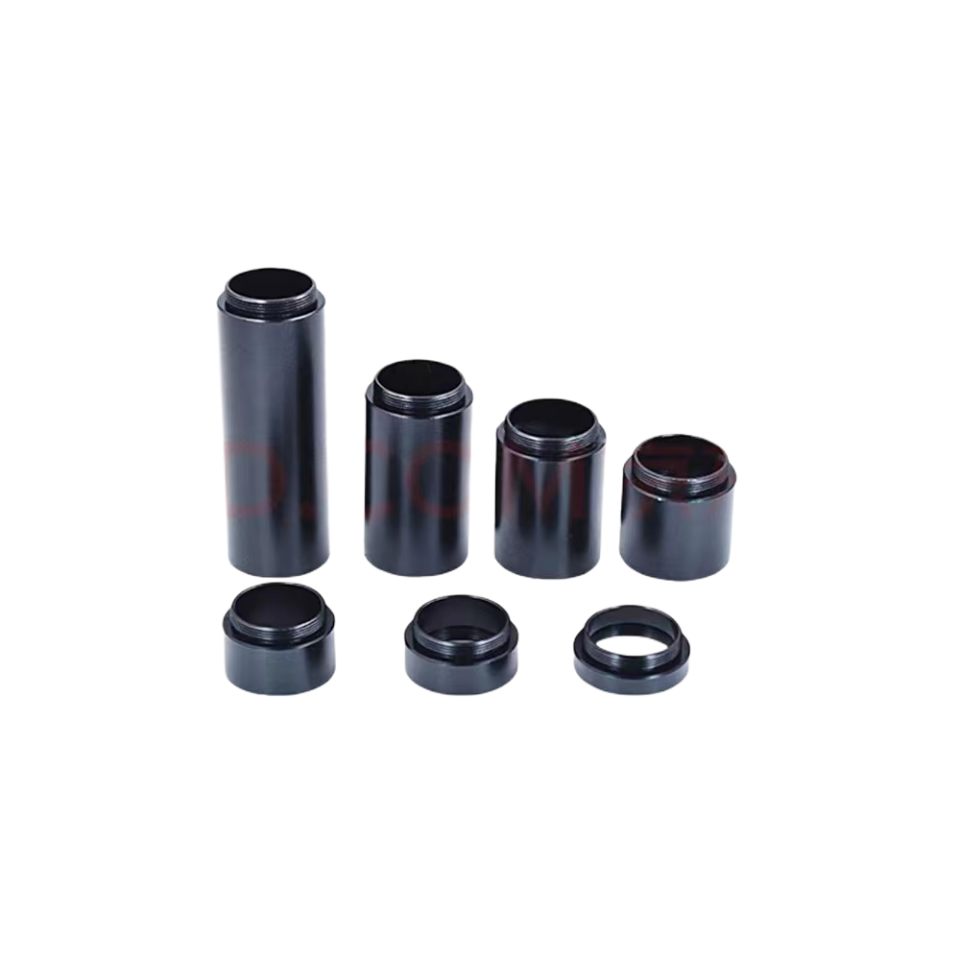
Optical instruments are devices that can control, convert, transmit, and detect light, including various optical components such as lenses, prisms, reflectors, filters, etc. It has a wide range of applications in various fields. Let’s take a look at the role of optical instruments in various fields. 1、 Optical communication field Optical communication refers to the technology of using light for information transmission, which has the advantages of high speed, high bandwidth, low loss, and can meet the needs of modern communication. In the field of optical communication, optical instruments are widely used. For example, optical fiber transceivers, Wavelength-division multiplexing, etc. can realize high-speed and efficient optical communication through optical instruments. 2、 Laser processing field Laser processing refers to the process of using laser to cut, weld, and drill materials, which has the advantages of high precision, high efficiency, and non-contact. In the field of laser processing, optical instruments are also widely used. For example, laser lenses, laser beam splitters, and other optical instruments can achieve laser focusing, beam splitting, and other operations, thereby achieving high-precision laser processing. 3、 Medical equipment field The field of medical equipment refers to the use of various instruments and technologies for treatment, testing, and other operations on the human body. In the field of medical equipment, optical instruments are also widely used. For example, glasses, microscopes, etc., optical instruments can be used to observe and detect human tissues, cells, etc. It is understood from three fields that optical instruments have extensive applications in various fields, including optical communication, laser processing, medical equipment, photography equipment, etc., and their future prospects are more extensive.

08
Jun
Jun
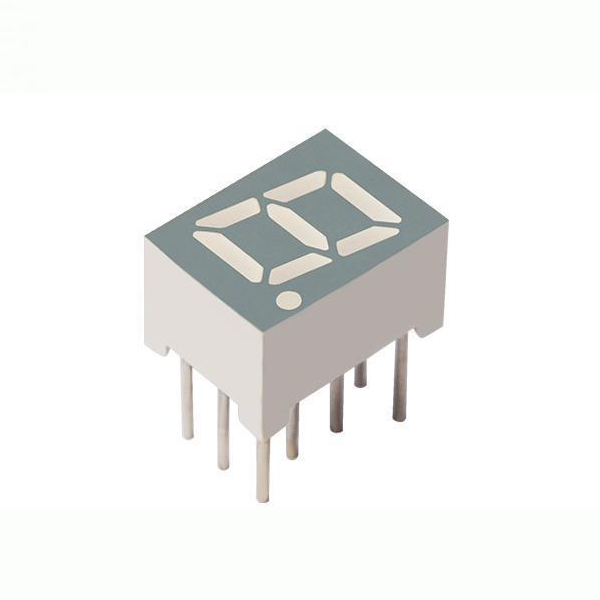
A Round LED display screen is a circular display that uses LED as the light source. It has the advantages of strong flexibility and unique design, gradually becoming a new favorite of LED display screens. Let’s take a look at the principle and application of Round LED display screens together. The principle of Round LED display screen The principle of Round LED display screens is based on the electrical characteristics of light-emitting diodes. In the display screen, LED chips are combined into a circular matrix, and each LED chip can control its luminous intensity by controlling the current. The control system can send different control signals to different LED chips as needed to achieve the display of images, text, and other content. The Application of Round LED Display Screen Commercial advertising: Round LEDdisplays have a wide range of applications in commercial advertising. For example, in places such as shopping malls and exhibitions, high-definition advertising content can be displayed through Round LEDdisplays, attracting more consumers. Stage performance: Round LEDdisplays are also widely used in the field of stage performance. For example, concerts, evening parties, etc., high-definition images and lighting effects can be achieved through Round LEDdisplays, enhancing the visual impact and viewing experience of the performance. Technology display: In the field of technology display, Round LEDdisplays are also widely used. For example, places such as museums and science museums can achieve high-definition technology display content through Round LEDdisplays, attracting more visitors. Car display: Round LEDdisplay screens can also be applied in the field of car display. For example, bus stops, subway carriages, etc., can display station information, ride guidance, and other content through Round LEDdisplays, making it convenient for passengers to travel. Round LED displays have gradually become the new darling of LED displays due to their strong flexibility and unique design.
06
Jun
Jun
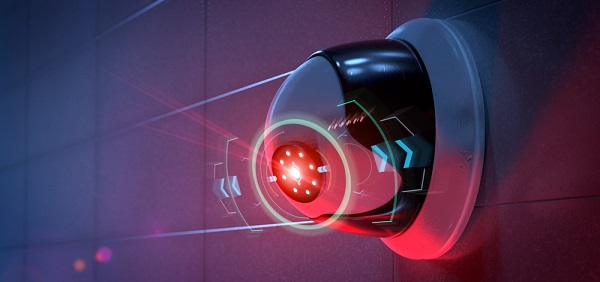
LED display is a type of display that uses LED as the light source. It has advantages such as high brightness, low power consumption, and long lifespan, and is widely used in indoor and outdoor advertising, stage performances, sports venues, and other fields. Let’s take a look at the principles and applications of LED displays together. The principle of LED display The principle of LED displays is based on the electrical characteristics of light-emitting diodes. In the LED display, LED chips are combined into a matrix, and each LED chip can control its luminous intensity by controlling the current. The control system can send different control signals to different LED chips as needed to achieve the display of images, text, and other content. Application of LED displays Indoor and outdoor advertising: LED displays have a wide range of applications in indoor and outdoor advertising. For example, mall advertisements, subway platform advertisements, etc., can achieve high-definition advertising content display through LED displays, attracting more consumers. Stage performance: LED displays are also widely used in the field of stage performance. For example, concerts, parties, etc., high-definition images and lighting effects can be achieved through LED displays, enhancing the visual impact and viewing experience of the performance. Sports venues: LED displays are also widely used in sports venues. For example, scoreboards, timers, etc., real-time display of scores, timing information, and other content can be achieved through LED displays. Vehicle display: LED displays can also be applied in the field of vehicle display. For example, bus stops, subway carriages, etc., can display station information, ride guidance, and other content through LED displays, making it convenient for passengers to travel. LED displays have advantages such as high brightness, low power consumption, and long lifespan, and are widely used in indoor and outdoor advertising, stage performances, sports venues, and other fields. With the continuous progress and development of technology, the application prospects of LED displays will be even broader.
06
Jun
Jun
Infrared LED is a type of light-emitting diode that can emit infrared radiation. In our daily lives, Infrared LEDs have a wide range of applications, such as remote controls, security systems, medical equipment, etc. So what is the working principle of Infrared LEDs? Where is it applied? Let’s take a look together. The working principle of Infrared LEDs The working principle of Infrared LEDs is similar to that of ordinary light-emitting diodes, which are formed by reverse bias of PN junctions in semiconductor materials to form electron hole recombination, thereby generating photoelectric effects. The difference is that the light generated by the electron hole recombination of Infrared LEDs is infrared beyond the visible range of the human eye. Application of Infrared LEDs Remote control: Remote control is one of the most common applications of Infrared LEDs. The remote control sends infrared signals to household appliances such as televisions and air conditioners, achieving remote control of household appliances. Security system: Infrared LEDs are also widely used in security systems. For example, infrared cameras, infrared sensors, etc. monitor the surrounding environment through infrared radiation, achieving timely detection and handling of safety hazards. Medical equipment: In the medical field, Infrared LEDs are also widely used. For example, thermometers, blood glucose meters, etc. use infrared to detect indicators such as body temperature and blood sugar, helping doctors diagnose and treat. Communication field: Infrared LEDs can also be used in the communication field. For example, wireless headphones, infrared data transmission, etc., achieve data transmission and communication between devices through infrared radiation. Overall, Infrared LEDs have a wide range of applications, including remote controls, security systems, medical equipment, communication fields, and so on.
06
Jun
Jun
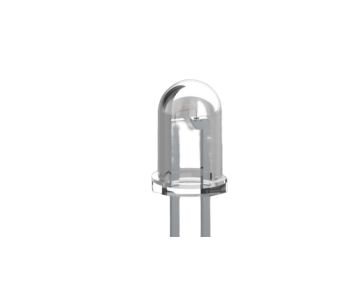
Through hole LED is a common type of LED, whose pins are connected to the circuit board through drilled holes. Through hole LEDs have a wide range of applications. Let’s take a look at the functions and advantages of Through hole LEDs. The Function of Through hole LEDs Indicator light: Through hole LED can be used as an indicator light in various electronic devices, such as televisions, audio devices, computer motherboards, etc. In electronic devices, it can indicate the working status of the device, improving its reliability and stability. Back light source: Through hole LED can be used as a back light source, such as electronic watches, calculators, mobile phone screens, tablets, etc. High brightness and low power consumption make it an ideal choice for backlight sources. Lighting: Through hole LEDs can also be used for lighting, such as LED bulbs, LED light strips, etc. High efficiency and long lifespan make it a green and environmentally friendly lighting choice. Advantages of Through hole LEDs Easy to install: The pins of the through hole LED are connected to the circuit board through drilled holes, making it easy to install and disassemble. High stability: The through-hole LED adopts a metal shell, which makes it have good durability and stability. High brightness: The brightness of Through hole LEDs is relatively high, which can meet the needs of different application scenarios. Colorful: Through hole LEDs can achieve various color emitting effects, such as red, green, blue, etc., which can meet the needs of different application scenarios. From the above understanding, it can be seen that Through hole LEDs have advantages such as easy installation, high stability, high brightness, and rich colors, and are widely used in fields such as indicator lights, backlights, and lighting. With the continuous progress and development of technology, the application prospects of Through hole LEDs will be even broader.
01
Jun
Jun
SMD LED is a new type of LED, which has smaller size, higher brightness, and lower power consumption compared to traditional LEDs. In SMD, different colored LEDs have different characteristics and applications. Let’s take a look together. Red chip LED Red chip LED is a common type of LED with high brightness and low power consumption. It can emit bright and bright red light. Widely used in fields such as indicator lights, digital displays, and electronic clocks. Green SMD LED Green chip LED can emit bright and clear green light. Compared with red SMD, green SMD has lower brightness, but it has higher energy conversion efficiency and longer service life. Widely used in fields such as display screens, backlights, and decorative lights. Blue SMD LED Blue chip LED is a type of LED that can emit bright and clear blue light. It has high brightness and low power consumption. Widely used in electronic games, lighting, display screens, and other fields. White SMD LED White chip LED is a type of LED that can emit bright and soft white light. It can achieve different white light effects through different material combinations. Widely used in fields such as backlighting, lighting, and flashlights. Overall, SMD LEDs have advantages such as small size, high brightness, low power consumption, and long lifespan. Different colored LEDs have wide applications in different fields. With the continuous development and progress of technology, the application fields of SMD LEDs will continue to expand and deepen.
30
May
May
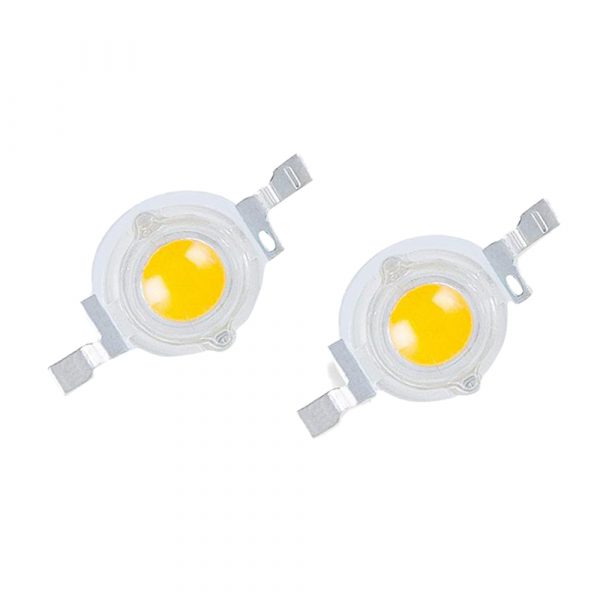
With the continuous development and progress of technology, high power LEDs are increasingly widely used in our daily lives. Where are high power LEDs used in our daily lives? Let’s take a look together. Lighting field In indoor and outdoor lighting, high power LEDs can replace traditional incandescent and fluorescent lamps. Compared with traditional incandescent and fluorescent lamps, high power LEDs have higher luminous efficiency and longer service life. In addition, high power LEDs can also achieve various color transformations, making the lighting effect more beautiful and rich. Automotive manufacturing sector high power LEDs can also serve as light sources for car lights and logos, making the appearance of the car more beautiful and improving driving safety performance. During nighttime driving, the high brightness and long range of high power LEDs can provide drivers with a better view and help them better grasp the driving situation of the vehicle. Outdoor and large stage Finally, high power LEDs have been widely used in outdoor billboards and large-scale stage performances. High power LED can achieve high brightness and contrast display effects, making billboard and stage effects more outstanding and eye-catching. At the same time, it can also achieve various color transformations and dynamic effects, bringing more diverse and rich visual experiences to billboards and stage performances. From this perspective, high power LEDs have a wide range of applications in our lives, from lighting to automotive manufacturing, to billboards and stage performances, all of which cannot do without the help of high power LEDs. I believe that with the continuous progress and development of technology, high power LEDs will play an increasingly important role in our lives.
25
May
May
With the continuous development and application of technology, various electronic devices have begun to take on different appearances and characteristics, providing more convenient and efficient solutions for people’s lives and work. When learning electronic technology, it is necessary to learn various common electronic devices, and the following are common optical devices. Common optical instruments Diodes are one of the most common electronic devices. It only allows current to flow in a specific direction at its two ends. Diodes have two states: forward conduction and reverse cutoff, and are widely used in power control, rectifier power supply, and voltage regulation circuits. Transistors are also an important type of electronic device. It is usually used for amplification and switching circuits, characterized by power amplification, high-frequency amplification, and control power circuits. There are various types of transistors, such as field-effect transistors, bipolar transistors, high-voltage transistors, etc., which can be used for various circuit applications. Modular circuits are components composed of multiple electronic devices, typically larger in shape and size than a single device. Common modules include: power amplifier module, frequency converter module, power module, and so on. These modules are mostly based on already designed circuit boards and have specific functions that can meet different application requirements. Finally, there is the sensor. Sensors are electronic devices that can detect physical and chemical quantities and convert this information into electrical signals. Common sensors include temperature sensors, pressure sensors, humidity sensors, photosensitive sensors, etc. Due to their diversity and sensitivity, they are widely used in many fields such as industrial automation, environmental monitoring, medical diagnosis, and so on. There are many kinds of electron optical instruments, with various functions and a wide range of applications. These devices have become an important foundation of modern electronic technology, providing great convenience and efficiency for people’s lives and work.